

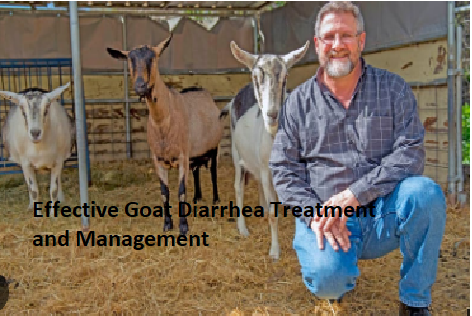
Managing goat diarrhea treatment effectively requires identifying the underlying cause before administering any medication. If your goat is suffering from loose stools, the most immediate and critical step is to ensure it remains hydrated while you determine if the issue stems from parasites, dietary changes, or bacterial infection.
Providing electrolytes is the first line of defense to prevent fatal dehydration, which often kills faster than the primary illness itself. Never assume a single remedy works for every case, as treating coccidiosis with an antibiotic meant for E. coli will only worsen the animal’s condition.
Immediate Steps for Managing Scours
When you first notice diarrhea, or “scours,” your primary goal is to stabilize the animal’s fluid levels. Goats lose water and essential minerals at an alarming rate during bouts of diarrhea.
A simple, homemade electrolyte solution can be made using one teaspoon of salt, one teaspoon of baking soda, and four tablespoons of sugar per quart of warm water. Offer this to the goat via a drenching syringe if they are too weak to drink from a bowl.
Monitoring the animal’s temperature is equally vital for accurate assessment. A normal goat temperature ranges between 101.5°F and 103.5°F.
If the temperature is significantly higher, you are likely dealing with a systemic infection that requires professional veterinary intervention. Avoid the temptation to immediately reach for anti-diarrheal human medications, as these can mask symptoms or cause dangerous gut stasis.
Identifying Common Causes of Digestive Distress
Most cases of diarrhea in caprine herds are caused by parasitic infestations or sudden dietary shifts. Coccidiosis, caused by protozoa, is the most common culprit in young kids, leading to stunted growth and severe dehydration.
You can often spot coccidia by the presence of dark, foul-smelling, or bloody stools. Adult goats are more frequently affected by worms like Haemonchus contortus, which drain blood and cause internal stress.
Dietary indiscretion is another frequent cause that owners often overlook. If a goat breaks into the grain bin and consumes a large amount of concentrated feed, the resulting acidosis can lead to explosive diarrhea.
Sudden changes in pasture quality or the introduction of lush, spring clover can also disrupt the delicate balance of the rumen. Always transition goats to new feed sources over a period of at least seven to ten days.
The Role of Parasite Control
Effective goat diarrhea treatment is impossible without a robust deworming strategy. Over-reliance on chemical dewormers has led to widespread resistance in many regions, making natural management and smart dosing essential.
Perform regular fecal egg counts to determine which parasites are present before choosing a medication. Blanket deworming without evidence is a primary driver of drug-resistant parasite populations.
When you do use chemical treatments, ensure you are dosing according to the animal’s actual weight. Under-dosing is a common mistake that allows surviving parasites to develop immunity to the drug.
Always consult with a veterinarian to establish a FAMACHA scoring system. This method checks the color of the lower eyelid to determine the level of anemia, allowing you to treat only the animals that truly need it.
Comparing Common Treatment Approaches
Different conditions require vastly different management strategies to restore gut health. The following table highlights common issues and their typical management focus.
| Condition | Primary Symptom | Management Focus |
|---|---|---|
| Coccidiosis | Bloody or dark stools | Amprolium or Sulfa-based drugs |
| Grain Overload | Frothy, light-colored stool | Baking soda and probiotics |
| Internal Parasites | Weight loss and soft stool | Targeted deworming based on fecal counts |
| Bacterial Infection | High fever and lethargy | Antibiotics and intensive hydration |
Dietary Adjustments and Probiotics
Once the acute phase of diarrhea passes, the goat’s rumen needs help recovering its microbial balance. The rumen is essentially a fermentation vat, and severe diarrhea flushes out the beneficial bacteria needed to break down forage.
Providing high-quality, clean hay is the best way to encourage normal rumen function. Avoid feeding lush greens or high-sugar treats until the stools have been firm for at least 48 hours.
Probiotic pastes specifically formulated for ruminants can help recolonize the gut. You can also offer free-choice baking soda, which helps regulate rumen pH if the goat is experiencing mild acidosis.
Ensure the goat has constant access to clean, fresh water, as stagnant water sources often harbor the very pathogens causing the illness. For more detailed guidance on maintaining herd health, refer to the resources provided by the Penn State Extension Livestock department.
When to Call a Veterinarian
While many minor digestive issues can be managed at home, certain signs indicate a medical emergency. If the diarrhea is accompanied by extreme lethargy, the goat is likely in shock.
A goat that is unable to stand or refuses to swallow requires immediate intravenous fluid therapy. Attempting to force fluids into a goat that is not swallowing can lead to aspiration pneumonia, which is often fatal.
Another red flag is the presence of significant blood in the stool, which indicates damage to the intestinal lining. If a large portion of your herd begins to show symptoms simultaneously, you may be dealing with a highly contagious disease like Johne’s disease or salmonellosis.
In such cases, isolate the sick animals immediately to prevent the spread to the rest of the herd. Professional diagnostic testing is the only way to confirm these serious conditions.
Environmental Hygiene and Prevention
Prevention remains the most cost-effective form of goat diarrhea treatment available to a farm owner. Many digestive issues are caused by fecal-oral transmission, which thrives in overcrowded or unsanitary conditions.
Keep feeding areas elevated so that goats are not eating off the ground where parasites and bacteria accumulate. Regularly clean water troughs to prevent the buildup of algae and pathogens.
Pasture rotation is another essential tool for breaking the life cycle of intestinal worms. By moving goats to fresh ground every two to three weeks, you reduce the density of parasite larvae on the forage.
Keep younger, more vulnerable kids separate from adult herds when possible. Kids are significantly more susceptible to environmental pathogens because their immune systems are not yet fully developed.
Common Questions About Digestive Health
What is the most effective way to rehydrate a scouring goat?
The most effective way is to use a balanced electrolyte powder mixed with warm water. Administering this via a large syringe or a drenching bottle every few hours ensures the goat receives necessary salts and glucose to combat dehydration.
Is it safe to give goats human anti-diarrheal medicine?
Generally, you should avoid human medications like Pepto-Bismol or Imodium. These drugs can cause the gut to stop moving entirely, which in a ruminant leads to a dangerous condition called stasis. Always stick to veterinary-approved electrolytes and specific medications.
How do I identify coccidiosis in my herd?
Coccidiosis typically presents as persistent, watery, or blood-streaked diarrhea. You might notice the goats looking “unthrifty,” with rough coats and a hunched posture. A fecal float test performed by a vet is the only way to confirm the presence of coccidia oocysts.
Why does my goat have diarrhea after a change in feed?
Goats have highly sensitive rumen microflora that require time to adapt to new energy sources. A sudden switch from dry hay to lush pasture or high-concentrate grain causes a spike in acidity. This kills beneficial bacteria and results in loose, acidic manure.
What role does baking soda play in goat care?
Baking soda acts as a natural buffer for the rumen, helping to neutralize excess acid. Providing it free-choice allows the goats to self-regulate their internal pH. It is a simple, inexpensive way to prevent minor digestive upsets before they turn into full-blown diarrhea.
Maintaining Long-Term Herd Health
Consistency in management is the secret to a healthy herd. Keeping accurate health records, including dates of deworming, vaccination history, and observed illnesses, helps you spot patterns over time. If you notice a specific goat frequently suffers from diarrhea, it may be time to cull that animal from the breeding program to avoid passing on poor digestive resilience to the next generation.
Always prioritize the health of the rumen, as it is the engine that drives your goat’s growth and production. By focusing on high-quality forage, clean environments, and proactive parasite management, you can drastically reduce the frequency of digestive issues.
When diarrhea does occur, acting quickly with proper hydration is the foundation of successful goat diarrhea treatment. Keep your veterinarian’s contact information accessible so you can reach out the moment a situation exceeds your capability to manage it at home.
