

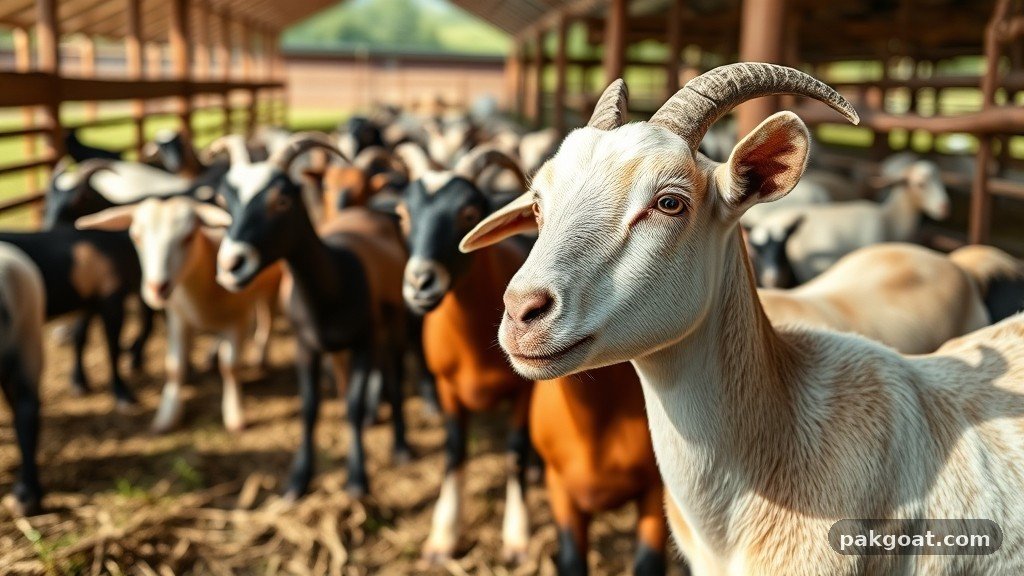
A productive goat farming system relies on balancing animal welfare, nutritional management, and infrastructure design to maximize output. Whether you focus on dairy, meat, or fiber production, the way you structure your daily operations determines the long-term viability of your herd.
Understanding the specific requirements for housing, health maintenance, and pasture rotation allows producers to scale their operations effectively. This article outlines the practical components needed to build a sustainable model that serves your production goals while ensuring the health of your livestock.
Defining Your Production Goal
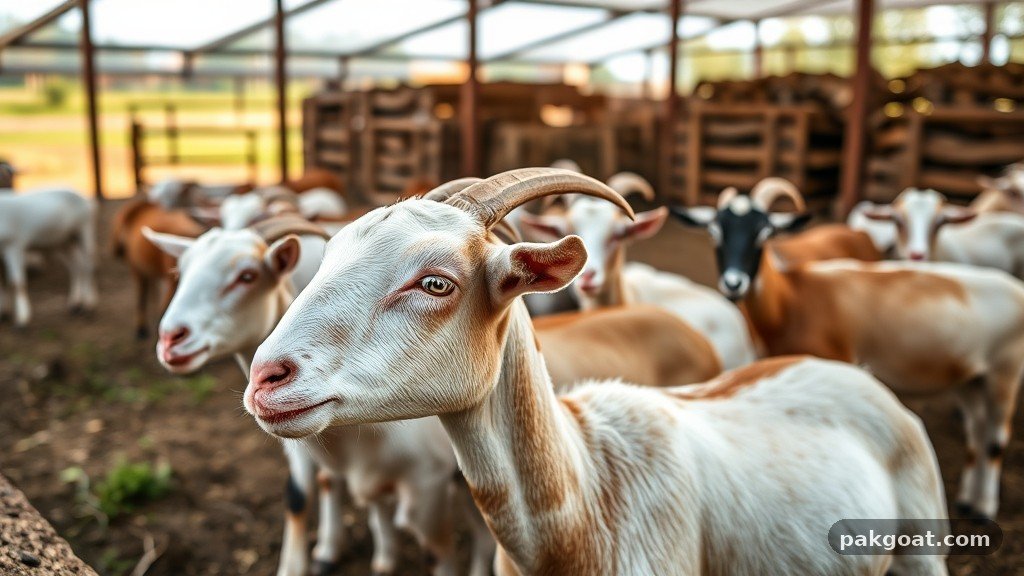
The core of any efficient goat farming system starts with selecting the right breed for your specific market. Dairy breeds like the Alpine or Saanen require different milking infrastructure compared to meat breeds such as the Boer or Kiko.
You must decide whether your revenue will stem from raw milk sales, cheese production, or meat processing before breaking ground. Focusing on one primary objective allows you to optimize your feed costs and labor allocation.
Market research is the most critical step before acquiring your first animal. Local demand dictates the premium you can charge for your products.
If you live near urban centers, specialty goat cheese or high-quality meat cuts often command higher prices than wholesale commodities. Aligning your production capacity with local demand prevents the financial strain of holding excess inventory or dealing with perishable goods that lack a buyer.
Infrastructure and Housing Requirements
Goats are notoriously sensitive to moisture and drafts, making proper shelter design a non-negotiable aspect of your goat farming system. A dry, well-ventilated barn prevents respiratory issues and keeps the animals comfortable during harsh weather.
You should allocate at least 12 to 15 square feet of indoor space per adult goat. This prevents overcrowding, which is a leading cause of stress and disease transmission in confined herds.
Flooring choices significantly impact the long-term maintenance costs of your facility. Many producers prefer elevated slatted floors for ease of cleaning, while others use deep bedding methods that provide natural insulation during winter months.
Regardless of the material, ensure the floor drains well and remains dry to minimize the risk of foot rot. Clean, elevated feeding troughs and water stations are equally important to keep feed dry and prevent the spread of parasites through contaminated sources.
Pasture Management and Rotational Grazing
An effective goat farming system utilizes rotational grazing to maintain forage quality and manage internal parasite loads. By dividing your property into smaller paddocks, you allow pastures to recover while the goats move to fresh grass.
This cycle prevents overgrazing, which can degrade soil health and encourage the growth of invasive, non-nutritious weeds. Goats are natural browsers, meaning they prefer brush and woody plants over short grass, which helps in land clearing.
The density of your herd per acre depends on the quality of your soil and the type of vegetation available. Generally, you can stock between 6 and 10 goats per acre on well-managed, high-quality pasture.
If you are using goats specifically for brush clearing, you can increase this density temporarily, but you must supplement their diet with hay or minerals to ensure they remain healthy. Always provide access to clean water in every paddock to encourage uniform grazing patterns.
Nutritional Strategies and Mineral Supplementation
Goats have unique metabolic needs that require a balanced diet of forage, energy, and essential trace minerals. While they can survive on rough scrub, high-performing herds require supplemental feeding to maintain body condition scores.
You should provide free-choice minerals specifically formulated for goats, as sheep minerals often contain levels of copper that are toxic to goats. Phosphorus and selenium levels are also critical for reproductive health and growth rates.
Monitoring body condition scores regularly helps you adjust feed rations before a drop in weight occurs. You can find detailed nutritional guidelines through the Penn State Extension, which provides research-backed data on dietary needs.
During the breeding and lactation periods, the protein requirements for does increase significantly. Providing high-quality alfalfa or legume hay during these phases ensures that both the mother and the kids receive the necessary nutrients for development.
Health Management and Disease Prevention
A proactive health plan is the backbone of any profitable goat farming system. Parasite control, particularly the management of Haemonchus contortus or the barber’s pole worm, requires a combination of FAMACHA scoring and selective deworming.
FAMACHA scoring involves checking the color of the lower eyelid to determine if an animal is anemic and needs treatment. This practice prevents the development of drug-resistant parasites by ensuring you only treat animals that truly need it.
Vaccination schedules should be tailored to your specific region and the diseases prevalent in your area. Most herds require annual boosters for Enterotoxemia and Tetanus, often referred to as the CDT vaccine.
Maintaining a closed herd—where new animals are quarantined for at least 30 days before being introduced—is the most effective way to prevent the introduction of contagious diseases like Caseous Lymphadenitis or CAE. Always keep detailed medical records for every animal to track health history and treatment efficacy.
Calculating Your Financial Performance
Profitability in this sector is rarely about volume alone; it is about managing the cost of inputs against the value of your output. Feed represents the largest variable expense, often accounting for 50% to 60% of total operating costs.
You must track your expenditures on grain, hay, and veterinary supplies against the revenue generated from milk or meat sales. The following table provides a breakdown of typical expense categories you should track in your ledger.
| Expense Category | Percentage of Budget | Frequency |
|---|---|---|
| Feed and Forage | 55% | Monthly |
| Veterinary/Medical | 15% | As Needed |
| Infrastructure Maintenance | 15% | Quarterly |
| Marketing and Sales | 10% | Annually |
| Miscellaneous | 5% | Monthly |
Scaling Your Operations
Once your initial model is stable, you can look toward scaling your goat farming system for greater efficiency. Automation in milking parlors or the implementation of mobile fencing solutions can drastically reduce labor hours.
Many producers start with a small herd of 10 to 20 animals to learn the nuances of management before expanding to larger numbers. Scaling too quickly often leads to increased disease pressure and a loss of individual animal care, which can be detrimental to your bottom line.
Diversifying your income streams can also provide a buffer against market fluctuations. For example, a dairy operation might sell bucklings for meat, while a meat-focused farm might sell manure as high-quality garden fertilizer.
Selling breeding stock with known performance records is another way to increase revenue per animal. Keep an inventory of your assets to understand which segments of your operation are providing the best return on investment.
- Maintain a 30-day quarantine period for all incoming goats to prevent disease outbreaks.
- Use FAMACHA cards every 2–3 weeks during the grazing season to monitor internal parasite levels.
- Keep a detailed breeding log to track kidding dates and birth weights.
- Ensure all perimeter fencing is at least 48 inches high to prevent escapes.
- Test your soil annually to determine if pasture fertilization is required for optimal grass growth.
Frequently Asked Questions
How many acres do you need to raise 100 goats?
The amount of land depends heavily on your soil quality and the intensity of your management. On average, you should plan for at least 10 to 15 acres if you intend to rely primarily on grazing. If you are using an intensive rotational system with heavy supplementation, you might manage on less, but 10 acres is a safer baseline for sustainability.
Is owning a goat farm profitable?
Profitability is achievable, but it depends on your ability to control feed costs and find a niche market. Operations that add value to their product—such as making artisanal cheese or selling direct-to-consumer meat cuts—typically see higher margins than those selling to wholesale markets. You must treat the operation as a business, tracking every dollar spent on feed and veterinary care.
How fast can 10 goats clear an acre?
Ten goats can clear an acre of light brush and weeds in approximately 7 to 14 days, depending on the density of the vegetation. They are extremely effective at targeting invasive species like poison ivy and multiflora rose. However, they will strip the bark off trees if left in a small area for too long, so monitor their progress closely.
How much land for 1000 goats?
Managing 1000 goats requires a significant land base and advanced infrastructure. You would typically need at least 100 to 150 acres of high-quality pasture to support such a large herd sustainably. At this scale, you would likely need to incorporate a high level of automation for feeding and waste management to keep labor costs manageable.
What is the most common health issue in goats?
Internal parasites are the most frequent health challenge for goat producers. Specifically, the barber’s pole worm can cause severe anemia and death if left unmanaged. Implementing a strict rotational grazing schedule and using targeted deworming based on FAMACHA scores are the best ways to mitigate this risk.
Conclusion
Establishing a successful goat farming system requires a combination of careful planning, consistent daily management, and a focus on animal health. By prioritizing the nutritional needs of your herd and maintaining a clean, secure environment, you create the conditions necessary for consistent production. Remember that success is often found in the details, such as monitoring parasite loads and tracking your expenses accurately to ensure your business remains profitable.
As you gain experience, continue to refine your grazing practices and explore new ways to add value to your products. Whether you are managing a small homestead herd or a larger commercial operation, the principles of responsible stewardship and efficient production remain the same. Start with a manageable number of animals, focus on learning their individual needs, and scale your operations only when your current system is operating at peak efficiency.
