

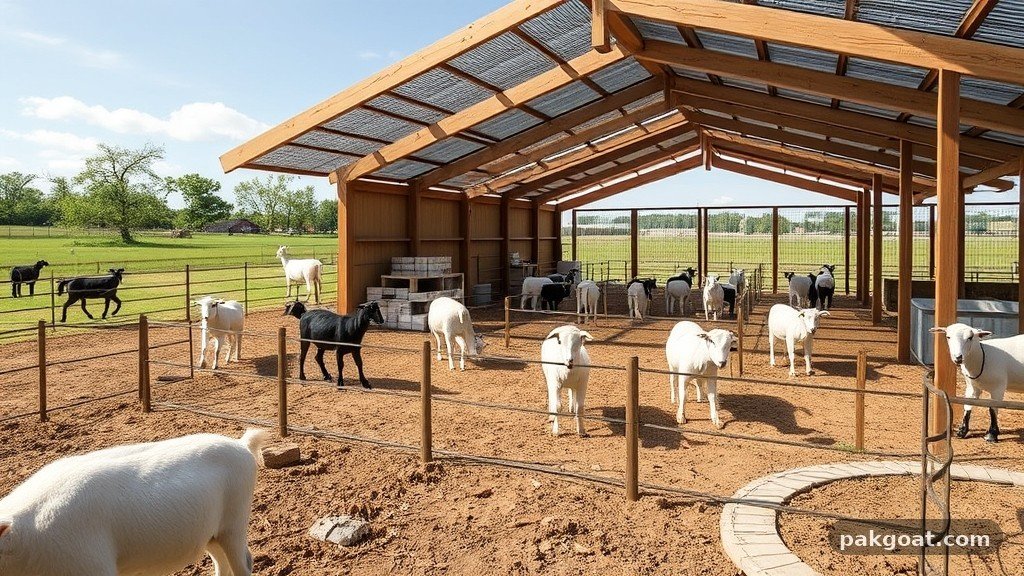
Effective goat farm design requires balancing animal welfare, operational efficiency, and long-term sustainability. By carefully planning your infrastructure, you can minimize labor, reduce disease risks, and increase the overall productivity of your herd.
Whether you are starting a small hobby farm or scaling up to a commercial operation, your layout dictates your daily routine. Understanding the spatial requirements and structural needs of your animals ensures they remain healthy and comfortable throughout the year. This article provides the foundational knowledge necessary to build a functional environment for your goats.
Determining Spatial Requirements
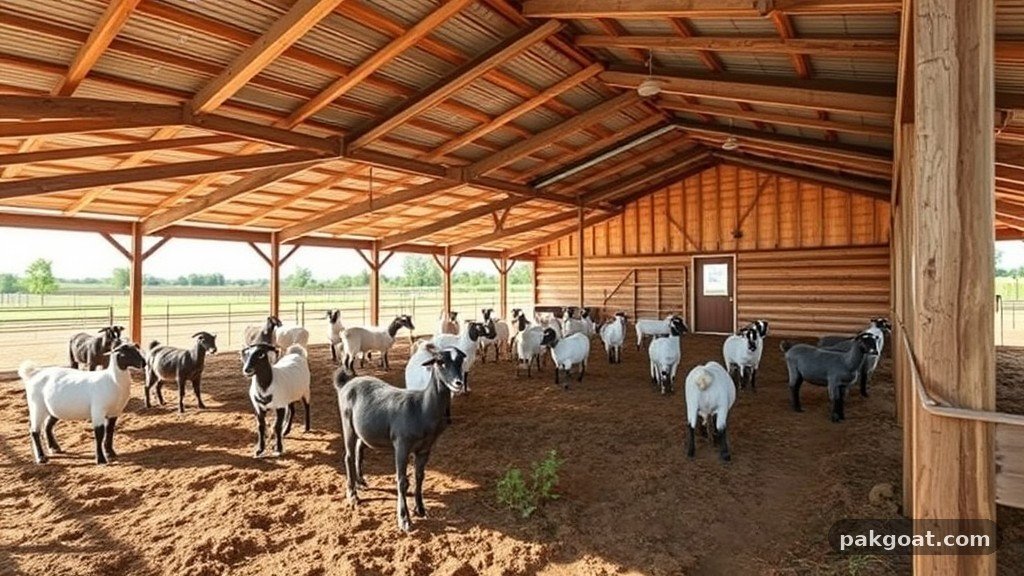
The most critical factor in successful goat farm design is allocating enough square footage for each animal. Overcrowding is the primary cause of respiratory issues, parasites, and bullying within a herd. You must provide at least 12 to 15 square feet of indoor space for a standard-sized dairy or meat goat.
When planning your barn or shed, consider the specific needs of different groups. Pregnant does or those with kids require more room to ensure they are not crushed or harassed by more aggressive herd members. If you plan to keep your goats in the barn for extended periods during winter, increase these requirements by 20% to account for limited outdoor access.
Ventilation is just as important as total square footage. Goats are susceptible to pneumonia when exposed to damp, stagnant air.
Your structure should have high ceilings and open upper-wall sections to allow moisture to escape. Proper airflow prevents the buildup of ammonia from urine, which can severely irritate a goat’s sensitive respiratory tract.
Selecting the Ideal Site
Topography plays a massive role in the long-term viability of your site. Never build a barn in a low-lying area or a depression where water collects after heavy rainfall. Goats have notoriously sensitive hooves; constant exposure to mud leads to foot rot and other debilitating infections.
Choose a location with a natural slope that encourages water to drain away from the structure. If your land is entirely flat, you may need to invest in site grading or build the barn on an elevated pad of crushed stone. A raised foundation prevents moisture from wicking up into the floor, keeping the bedding dry and comfortable.
Orientation is another often overlooked aspect of site selection. In the Northern Hemisphere, face the open side of your shelter toward the south or southeast. This positioning maximizes natural sunlight during the winter months while protecting the animals from the prevailing cold north winds.
Fencing and Perimeter Security
Goats are famous for their ability to escape even the most secure enclosures. A robust goat farm design must prioritize fencing that is both tall enough to discourage jumping and sturdy enough to prevent crawling. Standard woven wire fencing with 4-inch by 4-inch squares is the industry gold standard for preventing goats from getting their heads stuck.
If you are dealing with predators like coyotes or stray dogs, consider adding a strand of electrified wire at the top and bottom of your fence line. This deters both the goats from rubbing against the fence and predators from attempting to dig underneath. Ensure your gate latches are complex, as goats are intelligent enough to learn how to manipulate simple slide bolts.
Regular maintenance of your fence line is essential. Walk your perimeter at least once a week to check for sagging wires or areas where the ground has eroded. Keeping the fence tight prevents the goats from testing their boundaries and potentially injuring themselves on loose wire.
Internal Barn Layout
Efficiency in a barn starts with the flow of movement for both the animals and the farmer. Organize your interior space so that you can easily move from the feed storage area to the pens without walking through the entire herd. Use modular gate systems that allow you to quickly subdivide pens based on the needs of the animals.
Install elevated feeding stations to keep hay off the ground, as goats will refuse to eat forage that has been trampled or soiled. A well-designed rack keeps the hay at neck level, which mimics their natural browsing behavior. This reduces waste significantly, as goats can be notoriously picky eaters when their food is contaminated.
Water access is the most frequent point of failure in many barns. You should install automatic waterers with heating elements if you live in a climate that experiences freezing temperatures. If you rely on manual buckets, ensure they are placed in a location where the goats cannot easily knock them over or defecate in them.
Infrastructure for Health Management
Every professional facility needs a dedicated area for medical care and kidding. This “hospital pen” should be located in a quiet, low-traffic corner of the barn to minimize stress on sick or injured animals. It must be easy to sanitize, meaning floors should be made of concrete or sealed wood that can be scrubbed clean.
You should keep a comprehensive record of all vaccinations and treatments near this area. A small cabinet or wall-mounted box for basic veterinary supplies, such as thermometers, antiseptic, and bandages, is indispensable. You can find detailed veterinary protocols via the USDA Animal and Plant Health Inspection Service, which offers guidance on maintaining high standards of biosecurity.
Consider installing a squeeze chute or a head gate for routine procedures like hoof trimming or drenching. Trying to restrain a goat by hand is stressful for both the animal and the farmer. A purpose-built restraint device makes these chores safer and much faster to complete.
Comparison of Flooring Options
The choice of flooring in your barn affects the health of your herd and the amount of labor you spend on cleaning. Each material has distinct advantages depending on your budget and climate.
| Flooring Type | Pros | Cons |
|---|---|---|
| Dirt/Packed Earth | Low cost, natural feel | Hard to sanitize, prone to mud |
| Concrete | Easy to clean, durable | Cold, can be slippery if wet |
| Wood Slats | Excellent drainage | High maintenance, can rot |
| Rubber Mats | Comfortable, insulating | Expensive, requires base layer |
Each of these options requires a specific maintenance schedule. For instance, dirt floors require a deep-litter method where you add fresh straw regularly to keep the surface dry. Conversely, concrete floors require daily scraping to prevent the buildup of urine and waste.
Key Operational Components
Successful management of a goat herd relies on several non-negotiable elements. These components ensure that your daily routine remains consistent and that your goats remain productive.
- Feed Storage: Keep grain in rodent-proof metal containers to prevent spoilage and disease.
- Ventilation Fans: Install industrial-grade fans to improve air circulation during humid summer months.
- Lighting: Use LED fixtures that are water-resistant and provide enough light for night-time observations.
- Manure Management: Design a clear path for wheelbarrows or tractors to move waste to a composting site.
- Quarantine Zone: Maintain a separate area for new arrivals to ensure they are disease-free before joining the main herd.
These elements, when integrated into your initial design, prevent the need for expensive retrofitting later. A farm that is built for growth is much easier to manage than one that requires constant patching. Always plan for at least 20% more capacity than you currently need.
Frequently Asked Questions
What is the recommended acreage for a small herd?
A good rule of thumb is to allow for approximately 5 to 10 goats per acre depending on the quality of your pasture. If you are relying on supplemental hay, you can keep more, but you must be careful not to overgraze the land, which leads to soil erosion.
How do I stop goats from jumping over gates?
Goats are natural climbers and often jump out of curiosity or to reach better forage. Use gates that are at least 48 inches high and ensure there are no horizontal rails that act as a ladder for them to climb.
What is the most common mistake in shelter design?
The most common error is poor ventilation. Many farmers build shelters that are too airtight to keep the animals warm, which traps moisture and leads to severe respiratory illnesses. Always prioritize airflow, even if it means the barn is slightly cooler.
Is it necessary to have a concrete floor?
Concrete is not mandatory, but it is highly recommended if you live in a high-rainfall area. If you use dirt, you must ensure the floor is raised well above the surrounding grade to prevent standing water.
How often should I clean the barn?
If you use the deep-litter method, you may only need to muck out the barn twice a year. If you use concrete floors, you should perform a light cleaning every day to remove wet bedding and manure.
Conclusion
Designing a functional space for your livestock is the foundation of a healthy and profitable operation. By focusing on site drainage, proper ventilation, and secure fencing, you create an environment where your goats can thrive with minimal intervention. Remember that the best designs are those that simplify your daily chores while providing the animals with the protection they need from the elements.
As you move forward with your construction, always keep the welfare of your herd as your primary guide. Well-planned infrastructure reduces stress, which in turn leads to better production and lower veterinary costs.
If you are just beginning to sketch your plans, take the time to observe the natural flow of your land before breaking ground. A thoughtful approach to your farm layout will pay dividends for years to come.
