

Navigating the complexities of livestock production starts with a solid foundation of knowledge. When you explore goat farming checklist questions and answers, you are essentially building a roadmap for your operation’s success.
Whether you intend to raise goats for meat, milk, or fiber, understanding the biological and financial requirements is the most critical first step. This article provides the essential data you need to move from planning to execution with confidence.
The most common question regarding space requirements is how many acres are needed to sustain a herd. A general rule of thumb is that you can support 6 to 8 adult goats per acre of high-quality pasture.
If you have 100 goats, you should plan for at least 12 to 15 acres to ensure they have enough forage and to prevent overgrazing. Overgrazing destroys root systems and increases the prevalence of internal parasites, which is the primary cause of herd health failure in small ruminants.
Defining Your Operational Goals
Before purchasing your first animal, you must define the purpose of your farm. Are you producing milk for cheese, meat for local markets, or fiber for spinning? Each objective requires a different breed and a specific management style.
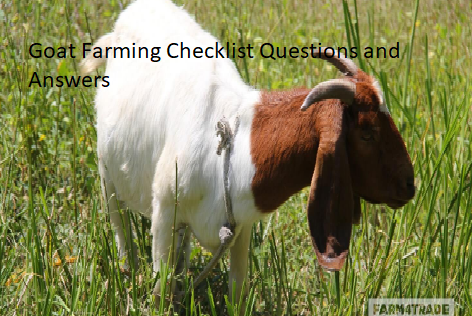
Meat breeds like the Boer or Kiko are selected for rapid growth and muscle mass. Dairy breeds such as Nubians or Alpines require a more intensive milking schedule and higher-quality nutrition. Fiber goats, specifically Angora or Cashmere, need protection from the elements to keep their fleeces clean and valuable.
You should document your primary income stream before investing in infrastructure. If you split your focus too early, you risk underperforming in all categories. A clear vision allows you to tailor your goat farming checklist questions and answers to the specific needs of your chosen market.
Infrastructure and Shelter Requirements
Goats are notoriously sensitive to moisture and drafts. A basic shelter must provide a dry, well-ventilated space that keeps the animals off the cold ground during winter. You do not need expensive materials; a simple three-sided shed facing away from prevailing winds often suffices.
Fencing is arguably your largest initial expense. Goats are intelligent and agile, meaning they will test the boundaries of any enclosure.
Woven wire fencing, often called “no-climb” wire, is the industry standard. It should be at least 48 inches high to prevent jumping.
Key Fencing Strategies
- Install a minimum of four strands of high-tensile electric wire for temporary paddocks.
- Ensure the bottom wire is no more than 4 inches from the ground to prevent kids from crawling under.
- Clear all brush and overhanging branches near the fence line to prevent goats from using them as leverage to climb out.
- Check the integrity of the gate latches weekly, as goats can learn to manipulate simple sliding bolts.
Nutrition and Feeding Management
Goats are browsers, not grazers like sheep or cattle. They prefer to eat leaves, shrubs, and weeds rather than short grass. Providing a varied diet is essential for maintaining their immune system and overall body condition.
High-quality hay is a non-negotiable expense during the winter months. You should expect an adult goat to consume roughly 2 to 4 pounds of dry hay per day. Always ensure they have access to clean, fresh water, as dehydration is a leading cause of urinary calculi in male goats.
Nutritional Comparison Table
| Nutrient Category | Common Source | Purpose |
|---|---|---|
| Protein | Alfalfa Hay | Growth and lactation |
| Energy | Corn or Oats | Weight gain and cold tolerance |
| Minerals | Loose Goat Mineral | Bone health and immunity |
Health and Parasite Control
Internal parasites are the most significant health challenge in goat farming. The barber pole worm, Haemonchus contortus, can cause severe anemia and death if left untreated. You must implement a FAMACHA scoring system, which involves checking the color of the eyelid mucous membranes to determine if an animal needs deworming.
Never deworm your entire herd at once without cause, as this leads to drug resistance. Instead, target only the individuals that show clinical signs of infestation. Consulting the American Consortium for Small Ruminant Parasite Control is the best way to stay updated on current resistance trends and effective management protocols.
Reproductive Management
Breeding cycles typically follow the photoperiod, meaning they are triggered by shortening days in the autumn. Most goats have a gestation period of approximately 150 days. You must keep accurate records of breeding dates to ensure you are prepared for kidding season.
Providing a clean, isolated “kidding pen” reduces the risk of umbilical infections in newborns. Ensure you have supplies on hand, such as iodine for dipping navels and colostrum replacer if a mother rejects her kid. A successful kidding season is the difference between a profitable year and a stagnant one.
Financial Planning and Budgeting
Start-up costs for a small operation can range from $2,000 to $10,000 depending on your existing infrastructure. Variable costs, including feed, veterinary care, and marketing, will fluctuate based on the local economy. You must track every dollar spent to understand your break-even point per animal.
Marketing your products effectively is just as important as the husbandry itself. Direct-to-consumer sales, such as selling milk shares or freezer-ready meat, typically offer higher margins than selling through commodity auctions. Calculate your costs per pound of meat or gallon of milk to ensure your pricing reflects your labor and overhead.
The Daily Management Routine
Efficiency is the hallmark of a sustainable farm. You should aim to complete your morning chores, such as feeding, watering, and health checks, within a set timeframe. Developing a standard operating procedure helps you spot issues early before they become expensive veterinary emergencies.
Observe your herd closely while you perform these tasks. Are they active and alert? Are their eyes bright?
Does anyone seem isolated from the group? These subtle behavioral cues are often your first warning sign of illness.
Common Questions About Goat Farming
How much does it cost to feed one goat for a year?
On average, you can expect to spend between $150 and $300 annually per goat on supplemental feed, minerals, and hay. This figure excludes veterinary costs and structural maintenance, which vary significantly by region and scale.
What foods are toxic to goats?
Goats are curious, but they are susceptible to poisoning from plants like azaleas, rhododendrons, and wild cherry. Avoid feeding them any moldy grain or hay, as this can cause listeriosis, a serious neurological condition.
What is the most difficult thing about raising goats?
Managing parasite resistance and maintaining secure fencing are cited by most farmers as the hardest tasks. Goats are prone to internal worms and are highly skilled at finding weaknesses in any barrier, requiring constant vigilance.
Do goats need companions?
Goats are herd animals and suffer from severe stress if kept alone. You should never own just one goat; they require at least one other companion to exhibit normal social behaviors and maintain health.
How often should hooves be trimmed?
Hoof maintenance is required every 6 to 8 weeks depending on the terrain. If the ground is soft, their hooves won’t wear down naturally, leading to painful overgrowth and potential lameness.
Building Your Future
Success in this industry requires a combination of patience, observation, and a willingness to learn from your mistakes. By focusing on the specific goat farming checklist questions and answers outlined here, you reduce the likelihood of common startup errors. Always prioritize animal welfare and infrastructure stability, as these are the pillars that support your long-term output.
As you begin your journey, remember that every farm is unique. What works for a dairy producer in a temperate climate will differ from the needs of a meat producer in arid conditions.
Take the time to visit established farms in your region to see their systems in action. Your commitment to detail today will result in a healthier, more productive herd in the future.
