

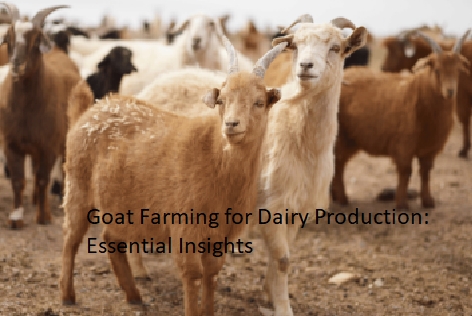
Engaging in goat farming for dairy production requires a blend of animal husbandry skills, business acumen, and a deep understanding of nutritional requirements. Success in this sector depends on selecting high-yielding breeds and maintaining strict herd health standards to ensure consistent milk quality. Whether you are aiming for a boutique artisanal cheese operation or a larger commercial supply, the principles of efficient management remain consistent.
By focusing on forage quality and precise breeding cycles, producers can significantly improve their margins and animal longevity. This overview provides the technical foundation necessary to evaluate the financial and operational realities of managing a dairy goat herd.
Profitability and Economic Realities
Is dairy goat farming profitable? The answer depends heavily on your local market access and your ability to process raw milk into value-added products. A raw liter of goat milk might fetch a modest price, but transforming that milk into high-quality chèvre, feta, or aged tomme drastically increases your revenue per unit.
Many small-scale operators find that selling directly to local restaurants or farmers’ markets provides a better buffer against fluctuating commodity prices. Profitability often hinges on controlling feed costs, which typically account for 60% to 70% of total operating expenses. By utilizing rotational grazing and high-quality hay, you can mitigate the reliance on expensive commercial grain concentrates.
Key Financial Metrics
To understand the economics of goat farming for dairy production, you must track specific benchmarks. Most commercial dairy goats reach peak production between their second and fourth lactations. A healthy, well-managed doe should produce between 2 and 4 liters of milk per day during her peak cycle.
The duration of this cycle typically lasts 305 days, followed by a necessary dry period to allow the udder tissue to regenerate. You should budget for initial capital expenditures including housing, milking parlor equipment, and the purchase of high-quality foundation stock. Maintenance costs include veterinary care, routine hoof trimming, and mineral supplementation.
| Expense Category | Estimated Annual Cost per Doe | Notes |
|---|---|---|
| High-Quality Hay | $150 – $220 | Depends on local drought conditions |
| Grain/Concentrates | $100 – $180 | Varies by lactation stage |
| Veterinary & Vaccines | $40 – $70 | Includes routine deworming |
| Bedding & Supplies | $30 – $50 | Straw or wood shavings |
Selecting the Right Breeds
Choosing the correct breed is the most critical decision for any aspiring producer. The Alpine, Saanen, and Nubian breeds are widely recognized for their consistent output and temperament. Saanens are often called the “Holsteins of the goat world” due to their massive volume, while Nubians are favored for the high butterfat content in their milk.
High butterfat is essential if your business model focuses on cheesemaking, as it directly impacts the yield per pound of finished product. Always source animals from herds with known health histories, specifically testing for Caprine Arthritis Encephalitis (CAE) and Caseous Lymphadenitis (CL). Investing in genetically superior stock prevents long-term losses associated with poor performance or chronic illness.
Facility Requirements and Herd Management
Dairy goats require clean, dry, and well-ventilated housing to remain productive. A drafty barn can lead to respiratory issues, while damp bedding creates an ideal environment for mastitis-causing bacteria. You should provide at least 12 to 15 square feet of indoor space per adult goat, excluding the milking parlor area.
The milking parlor itself must be designed for hygiene and ease of movement, using non-porous materials that are easy to sanitize. If you keep the environment clean, your somatic cell counts will remain low, which is a critical requirement for food safety regulations. Consult the United States Department of Agriculture for guidance on dairy processing standards and facility compliance.
Essential Equipment for Operations
Investing in the right equipment saves hours of labor and reduces the risk of contamination. A basic setup for a small operation includes a milking stand, a portable vacuum milker, and stainless-steel collection buckets. As your herd size grows, you may transition to a pipeline system that transfers milk directly to a cooling tank.
Proper cooling is non-negotiable; you must lower the milk temperature to 40°F or below within two hours of milking to prevent bacterial growth. You will also need a dedicated space for cleaning and sanitizing equipment, complete with hot water access and proper drainage. Do not underestimate the time required for cleaning, as it is the most time-consuming aspect of daily production.
Optimizing Milk Production Naturally
Increasing milk yield is a combination of genetics and nutritional management. Goats require a balanced diet of protein, energy, and minerals to maintain high production levels throughout their 305-day cycle. Fresh, clean water must be available at all times, as a lactating doe can consume several gallons daily.
Many producers find success by offering a high-quality “dairy ration” during the milking process to encourage calm behavior and ensure adequate nutrient intake. Stress reduction is equally important; a quiet, consistent routine helps the animal feel secure, which facilitates better “let-down” of milk. Avoid sudden changes in feed or environment, as these can cause a sharp, temporary drop in production.
Milestones and Operational Best Practices
Managing a dairy herd involves a structured annual calendar of breeding, kidding, and drying off. Keeping detailed records for each animal is essential for identifying your most productive individuals and culling those that do not meet your targets.
You should track birth dates, breeding dates, milk weights, and any health interventions for every goat. This data-driven approach allows you to make informed decisions about which offspring to keep as replacements and which to sell.
- Breeding Season: Typically occurs in autumn, triggered by shorter daylight hours.
- Gestation Period: Lasts approximately 150 days from the date of conception.
- Kidding: Requires close monitoring for potential complications and immediate colostrum feeding for kids.
- Lactation: Begins immediately after birth and continues for approximately 10 months.
- Dry Period: A 60-day rest period before the next kidding to allow the udder to recover.
Nutritional Requirements for Lactating Does
A lactating goat has nutritional demands that far exceed those of a dry doe or a buck. She must consume enough energy to support her own body maintenance, growth (if she is young), and the production of milk solids. Legume hays, such as alfalfa, are standard for dairy goats because they provide high levels of protein and calcium.
You must also provide a loose mineral supplement specifically formulated for goats to prevent deficiencies like copper or selenium imbalance. Monitor body condition scores regularly, as a goat that is too thin will produce less milk and may struggle to conceive in the next cycle. Balancing the diet is an ongoing process that requires adjusting for the quality of forage available during different seasons.
Frequently Asked Questions
How long will a dairy goat produce milk?
A typical dairy goat will maintain a productive lactation cycle for 305 days per year. After this period, the goat must be “dried off” for at least 60 days to allow her body to recover before the next kidding. While some goats can be milked for longer, it is generally recommended to follow this cycle to maximize lifetime production and animal health.
How much does a dairy goat cost to buy?
The price of a dairy goat varies significantly based on its age, breed, and genetic merit. A young, unregistered kid might cost between $150 and $300, while a proven, registered milker with documented production records can cost anywhere from $500 to $1,500 or more. Always verify the health status and lineage before making a purchase, as the initial cost is often a small fraction of the total investment in feeding and housing.
How many acres do dairy goats need?
The land requirement depends on whether you are practicing intensive grazing or dry-lot feeding. For rotational grazing, you can generally support 6 to 10 goats per acre if the pasture is high quality and managed correctly. However, if your land is poor or you do not have irrigation, you will need significantly more space or must rely heavily on purchased hay and supplements.
Is dairy goat farming difficult for beginners?
It is a demanding endeavor that requires consistent daily labor, including weekends and holidays. Beginners often struggle with the learning curve of milking techniques, managing mastitis, and handling the nutritional needs of high-producing animals. Starting with two or three animals and gaining experience before scaling up is the most effective way to minimize risk and learn the nuances of the trade.
Conclusion
Success in the field of goat farming for dairy production requires a commitment to both animal welfare and precise record-keeping. By prioritizing high-quality nutrition, maintaining strict sanitation protocols, and selecting the right genetics, you can build a sustainable and productive herd. While the daily demands are significant, the ability to produce high-value dairy products offers a clear path toward profitability for those who are diligent.
Remember that every small decision, from the choice of mineral supplement to the timing of the dry period, impacts your bottom line. Start small, focus on mastering the basics of herd health, and gradually expand your operation as you gain confidence. With patience and a strategic approach, managing a dairy goat herd can be a rewarding and viable agricultural enterprise.
