

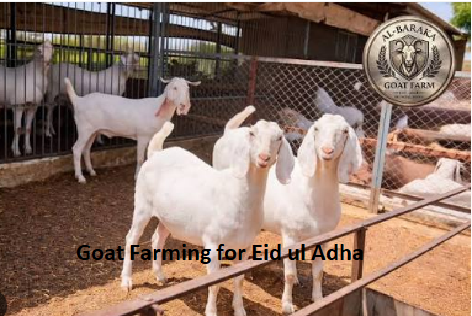
Engaging in goat farming for Eid ul Adha requires more than just basic livestock management; it demands a precise alignment of production cycles with the lunar calendar. Because this religious festival follows the Islamic lunar year, the dates shift forward by approximately 10 to 11 days annually, necessitating a highly flexible approach to breeding and nutrition.
Farmers who master the timing of their supply chain can capture significant market premiums during this peak period. This guide explores the technical, financial, and logistical requirements to ensure your herd is ready for the high demand that defines goat farming for Eid ul Adha.
The primary question many new farmers ask is how to determine the market value of their livestock during the festival season. A healthy, medium-sized goat typically ranges from $250 to $600, depending heavily on the breed, weight, and physical condition of the animal. Prices escalate as the holiday approaches, often peaking in the final 48 hours before the event.
Buyers prioritize physical health, looking for animals that are free of defects like missing ears, broken tails, or visible illness, as religious requirements dictate the animal must be in prime condition. Understanding these standards is the first step toward profitability.
Strategic Breeding Cycles
Managing a herd for a shifting date requires a sophisticated understanding of small ruminant reproductive biology. You must work backward from the expected date of the festival, accounting for a gestation period of roughly 150 days. If you want your kids to be mature enough for sale by the festival, you need to calculate the buck introduction date with extreme precision.
Many successful farmers utilize hormonal synchronization protocols to ensure a large cohort of the herd gives birth within a narrow window. This uniformity in age and size makes managing the herd significantly more efficient as the animals approach their target weight.
Focusing on the nutritional requirements of pregnant does is equally critical for a successful harvest. During the last trimester, fetal growth accelerates, requiring a higher density of protein and energy in the diet.
Neglecting this stage often results in smaller, weaker kids that struggle to reach the required market weight by the time the festival arrives. Providing high-quality alfalfa or supplemental grain during this phase ensures that the dams maintain their own body condition while supporting the rapid development of their offspring.
Nutritional Management for Peak Condition
The appearance of a goat is just as important as its weight during the Eid market. A shiny coat, bright eyes, and a robust frame communicate health to potential buyers, justifying a higher price point. You should transition your herd to a high-energy finishing ration about three months before the sale date.
This diet typically includes a mix of high-quality hay, corn, soybean meal, and essential minerals to promote muscle growth and fat deposition. Avoid overfeeding, as excessive fat can sometimes be seen as a negative, depending on the specific preferences of your local consumer base.
Water quality is often an overlooked aspect of herd management that directly impacts weight gain. Goats are notoriously picky drinkers and will consume significantly less water if it is stagnant or contaminated. Installing automatic waterers that keep a fresh, clean supply available at all times can improve feed conversion ratios by as much as 15%.
This simple infrastructure investment often pays for itself through faster growth rates and better animal performance. Always ensure that the mineral blocks are accessible, as these prevent common deficiencies that lead to lethargy or poor coat quality.
Market Segmentation and Pricing
Not every buyer is looking for the same type of animal, and segmenting your herd can help you reach a wider range of customers. Some buyers prefer large, mature bucks for group sacrifices, while others seek smaller, younger goats for individual families.
By maintaining a diverse herd, you reduce the risk of being left with unsold inventory that doesn’t fit the needs of your primary buyers. It is helpful to categorize your animals by weight and breed characteristics to make the sales process smoother.
The following table provides a general guideline for how weight and age influence the pricing strategy during the pre-Eid period.
| Animal Category | Typical Weight Range | Target Market |
|---|---|---|
| Young Kid (6 months) | 20–30 kg | Small families |
| Yearling Buck | 35–45 kg | Standard sacrifice |
| Mature Breeding Buck | 50 kg+ | Large groups/charities |
Disease Prevention and Herd Health
A single outbreak of disease can destroy your entire profit margin just weeks before the festival. Implementing a strict biosecurity plan is non-negotiable for anyone serious about goat farming for Eid ul Adha.
You must maintain a closed herd policy whenever possible, meaning you should avoid bringing in new animals from outside sources without a rigorous quarantine period. Quarantine should last at least 21 days to ensure the new arrivals do not introduce parasites or respiratory infections to your established population.
Vaccination schedules must be strictly followed, particularly for common issues like enterotoxemia and tetanus. Many farmers consult with local veterinary services to tailor their vaccination program to the specific pathogen risks in their region.
Regular deworming, based on FAMACHA scores or fecal egg counts, prevents the anemia and weight loss that parasites often cause. For further information on maintaining herd health, the USDA Animal and Plant Health Inspection Service provides extensive resources on managing livestock biosecurity and disease surveillance.
Infrastructure and Shelter Requirements
Goats are sensitive to extreme weather, and providing adequate shelter is essential for maintaining their health during the months leading up to the sacrifice. A well-ventilated barn that protects animals from cold drafts and damp bedding is vital, as moisture can lead to pneumonia.
You should also ensure that your fencing is secure enough to keep predators out and the herd in. Goats are intelligent and agile; they will find the smallest gap in a fence, potentially leading to injuries or loss.
Space allocation is another factor that directly impacts growth. Overcrowding increases stress, which suppresses the immune system and reduces the animals’ willingness to eat.
Aim for at least 15 square feet of indoor space per goat to ensure they have enough room to move comfortably and access feed without constant competition. Separating the bucks from the does well in advance prevents unwanted breeding and potential injuries from fighting, which can ruin the aesthetic appearance of the animal.
Marketing and Sales Logistics
The final phase of your business cycle is the actual sale, which requires careful planning of logistics and customer interaction. Many successful farmers set up a dedicated area on their property where buyers can view the animals, which builds trust and allows for transparency.
Providing clear information about the age, diet, and health status of each goat helps buyers feel confident in their choice. You should also be prepared for the surge in traffic during the week leading up to the holiday, ensuring you have enough staff to handle inquiries and facilitate the physical transfer of the animals.
Digital marketing has become a powerful tool for modern goat farming. Posting clear photos and videos of your healthiest animals on social media platforms can help you secure deposits or pre-orders weeks in advance.
This lowers your financial risk and gives you a better idea of how many animals will be sold before the busiest days. When managing these sales, keep a detailed ledger of payments and animal tags to avoid any confusion during the chaos of the final pick-up days.
Financial Planning and Profitability
Profitability in this sector is highly dependent on your ability to control feed costs. Feed is typically the largest expense in any livestock operation, accounting for roughly 60% to 70% of total production costs.
Buying feed in bulk during the off-season or growing your own forage can significantly improve your margins. You should also track all expenses, including veterinary care, labor, and transportation, to understand exactly how much each animal costs to raise.
* Fixed Costs: Land leases, barn maintenance, and equipment depreciation.
* Variable Costs: Feed, vaccinations, deworming medication, and water.
* Marketing Costs: Social media advertising, signage, and transport fees.
* Hidden Costs: Mortality loss and waste from spoiled feed.
If you are just starting, it is wise to keep your initial operation small to learn the nuances of the market. Scaling up too quickly can lead to management failures that are costly to fix.
Focus on producing high-quality animals rather than a large quantity of average ones, as the market for premium, healthy goats is always stronger. Consistent quality will build your reputation, leading to repeat customers who return to your farm year after year.
Frequently Asked Questions
Are all goat breeds suitable for the holiday?
While most breeds are acceptable, buyers generally prefer meat-focused breeds like the Boer or specialized local landrace varieties. These breeds are favored for their higher muscle-to-bone ratio and faster growth rates.
How do I determine the right age for sale?
Religious requirements usually stipulate a minimum age for the animal to be considered eligible for sacrifice, which is typically at least one year for a goat. Always verify the specific requirements relevant to your local community and market.
What is the most common reason for losses in this business?
The most common cause of loss is poor parasite management and lack of preparation for the rapid growth phase before the festival. Neglecting the nutritional needs of the animals leads to poor weight gain, which directly affects the final sale price.
Is it better to sell at the farm or at a livestock market?
Selling directly from the farm allows you to avoid transportation stress for the animals and commission fees from auction houses. However, it requires more effort in marketing and managing customer traffic on your property.
How can I ensure my animals stay healthy during the busy season?
Maintaining a rigorous vaccination schedule and keeping the living environment clean and dry is the best defense. Limit the number of visitors who have direct contact with the animals to prevent the introduction of pathogens.
Conclusion
Successfully navigating goat farming for Eid ul Adha requires a blend of agricultural discipline and market awareness. By focusing on the health and physical condition of your herd throughout the year, you position yourself to meet the specific requirements of the market when demand is at its highest. Consistent attention to breeding schedules, nutrition, and biosecurity protocols forms the foundation of a profitable operation.
Whether you are a small-scale producer or looking to expand, the key lies in understanding the needs of your customers and delivering healthy, well-managed livestock that meet their expectations. Start your planning early, keep detailed records of your costs and growth, and you will find that the effort invested in the months leading up to the festival pays off in the form of a successful and sustainable enterprise.
