

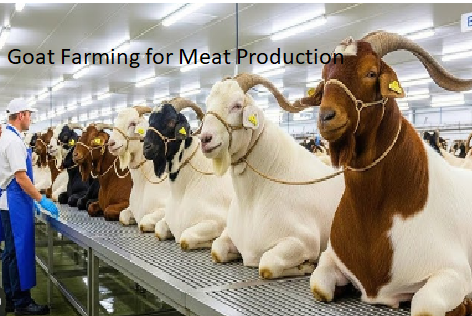
Engaging in goat farming for meat production offers a unique opportunity for small-scale landholders to capitalize on a growing global demand for lean, healthy red meat. Unlike cattle or sheep, goats are exceptionally efficient foragers that thrive in rugged landscapes where other livestock might struggle to maintain body weight.
By focusing on selective breeding and proper nutrition, producers can turn brush-heavy land into a viable revenue stream. This article explores the essential strategies required to succeed in this niche agricultural sector, providing the data and management techniques necessary to build a profitable herd from the ground up.
The primary question for many entering this industry is the initial investment and the potential return on investment. While start-up costs vary wildly based on land ownership and existing infrastructure, a beginner can typically expect to spend between $150 to $300 per head for quality breeding stock. Operating expenses, including supplemental grain, mineral blocks, and veterinary care, generally range from $50 to $100 per goat annually.
Market prices for live meat goats often fluctuate between $2.50 and $4.00 per pound depending on the weight class and seasonal demand during major holidays. By maintaining a strict culling schedule and optimizing feed conversion ratios, many commercial operations report a net profit margin of 15% to 25% once the herd reaches a sustainable scale.
Choosing the Right Meat Breeds
Selecting the appropriate breed is the most critical decision for any operation focused on goat farming for meat production. You need animals that convert forage into muscle mass quickly rather than those bred for milk or fiber.
The Boer goat remains the industry gold standard in many regions due to its rapid growth rates and superior carcass quality. Originating in South Africa, these goats have been selectively bred for decades to maximize meat yield.
However, relying solely on purebred Boers can sometimes lead to issues with parasite susceptibility in humid climates. Many successful producers instead opt for crossbreeding programs, often mixing Boer genetics with more resilient breeds like the Kiko or the Spanish goat.
Kiko goats, in particular, are prized for their hardiness and ability to thrive under minimal management conditions. They provide a vital genetic buffer, ensuring your herd remains robust even when forage quality fluctuates seasonally.
When evaluating potential stock, look for structural soundness and strong maternal instincts. A doe that cannot raise her kids without constant human intervention will quickly erode your profit margins through labor costs.
Prioritize animals that demonstrate a natural resistance to internal parasites, as this reduces the frequency of chemical deworming. This practice is essential for maintaining a healthy herd and ensuring your final product meets the standards required for high-quality meat markets.
Optimizing Forage and Nutrition
Goats are browsers by nature, preferring shrubs, woody plants, and weeds over simple pasture grasses. This biological trait is a significant advantage for goat farming for meat production because it allows you to utilize land that is often considered unsuitable for other livestock.
You should manage your grazing areas through a system of rotational grazing to keep the herd on fresh, parasite-free ground. Moving animals frequently prevents the buildup of worm larvae, which is the leading cause of health issues in small ruminants.
While goats can survive on brush alone, they require supplemental energy during the final growth stages to reach market weight efficiently. Providing a high-quality mineral mix is non-negotiable, as goats are highly sensitive to copper deficiencies and other trace mineral imbalances.
You should consult with the eXtension Foundation for regional resources regarding local soil and forage testing. Understanding the specific deficiencies in your local environment allows you to tailor your mineral supplementation program for maximum health.
Water quality also plays a massive role in weight gain. Goats are notoriously picky drinkers and will significantly reduce their intake if the water source is dirty or stagnant.
Ensure that water troughs are scrubbed regularly and that the supply remains cool during the hot summer months. A well-hydrated goat is a faster-growing goat, and keeping their metabolic processes running smoothly is key to shortening the time between birth and harvest.
Managing Herd Health
Disease management is the most significant risk factor in any livestock enterprise. Parasite control, particularly against the Barber Pole worm, requires a proactive approach rather than a reactive one.
Implementing the FAMACHA system, which involves checking the color of the eyelid mucous membranes, allows you to identify anemic animals early. This targeted approach prevents the widespread use of chemical dewormers, which helps slow the development of drug-resistant parasite populations on your farm.
Vaccination protocols should be established in consultation with a local large-animal veterinarian. At a minimum, most commercial herds are vaccinated against enterotoxemia and tetanus, often referred to as a CD&T vaccine.
These diseases are common in goats and can be fatal if the animals are not adequately protected. Keeping detailed medical records for every individual in the herd is essential for identifying which lines of breeding stock are consistently producing healthy, vigorous offspring.
Environmental management also contributes to overall health. Goats hate getting wet and will suffer from respiratory issues if forced to live in damp, poorly ventilated housing.
Provide a simple three-sided shelter that stays dry and draft-free, even during the coldest winter months. Keeping the bedding clean and dry prevents foot rot and other bacterial infections that can quickly spread through a confined herd.
Financial Benchmarks and Projections
Understanding the financial side of goat farming for meat production requires tracking specific key performance indicators. You must monitor the weaning weight of your kids, as this is the primary driver of revenue.
A healthy meat goat kid should ideally reach a marketable weight of 60 to 80 pounds within five to seven months. Anything longer than that increases your overhead costs, specifically in terms of feed and labor.
The following table compares typical costs and revenue drivers for a small-scale operation.
| Expense or Metric | Average Cost/Value |
|---|---|
| Initial Breeding Doe | $200 – $350 |
| Annual Feed Cost per Head | $60 – $90 |
| Market Price per Pound | $2.50 – $4.00 |
| Target Market Weight | 65 – 75 lbs |
| Average Litter Size | 1.5 – 2.0 kids |
These figures are estimates and will vary based on your geographic location and the local availability of feed. It is crucial to account for hidden costs, such as fencing maintenance and equipment depreciation, when calculating your break-even point. Many producers find that by selling directly to consumers or ethnic markets during peak holidays, they can achieve a significant premium over the standard auction barn prices.
Marketing and Sales Strategies
Direct-to-consumer sales often yield the highest margins in the meat goat business. Many communities, particularly those with diverse cultural backgrounds, have a high demand for fresh goat meat during specific religious holidays like Ramadan or Easter.
Building relationships with these buyers in advance allows you to plan your kidding schedule to ensure your animals reach market weight right when demand peaks. This level of planning is what separates hobbyist farmers from profitable commercial operations.
If you choose to sell through auction houses, you must understand the grading system. Animals that are well-fleshed and healthy will consistently fetch higher prices than those that appear thin or unthrifty.
Presenting your animals in good condition, with clean coats and proper weight, signals to buyers that you are a serious producer. Consistency is your best marketing tool; if you deliver quality animals repeatedly, repeat buyers will start to seek you out.
Networking with other producers is also vital. Joining local livestock associations or online forums can provide insights into current market trends and local pricing.
Sometimes, pooling your livestock with other farmers to fill a larger order can grant you access to better wholesale contracts that would be impossible to secure as a small-scale operator. Always maintain a professional reputation, as the agricultural community is smaller than it appears.
Infrastructure and Land Requirements
Proper fencing is the single most important investment you will make after buying your stock. Goats are notorious escape artists and can find the smallest gap in a fence line.
Woven wire fencing, often called “no-climb” or “goat-tight” fencing, is the industry standard for keeping your herd contained and predators out. An investment in high-quality perimeter fencing pays for itself by preventing the loss of valuable breeding stock and protecting them from coyotes or stray dogs.
You also need to consider handling facilities for when it is time to vaccinate, sort, or load the goats for transport. A simple squeeze chute or a small, well-designed working pen can make these tasks infinitely easier and safer for both the human and the animal.
Trying to catch goats in a large, open field is a recipe for frustration and injury. Design your facility so that the goats naturally flow toward the loading area, using their own herd behavior to your advantage.
Land density is another factor that requires careful management. While goats are efficient, overstocking a pasture leads to soil compaction and the destruction of desirable vegetation.
A good rule of thumb is to start with a lower stocking rate, perhaps four to six goats per acre, and adjust based on your observations of the forage recovery. If the grass and brush are not growing back quickly enough, you have too many mouths on the land.
Common Operational Challenges
Every farmer will eventually face unexpected hurdles. Predators are perhaps the most common challenge, with coyotes, bobcats, and even domestic dogs posing a constant threat to young kids.
Many producers use livestock guardian dogs, such as Great Pyrenees or Anatolian Shepherds, to provide 24/7 protection for the herd. These dogs bond with the goats and will aggressively defend them against intruders, often serving as the most effective deterrent available.
Another challenge is labor management during the kidding season. This is the busiest time of the year and requires around-the-clock monitoring to ensure that both the doe and her kids are healthy and nursing properly.
You must be prepared to intervene if a birth is difficult or if a doe rejects her offspring. Having a dedicated “kidding pen” where mothers can bond with their kids in privacy is essential for reducing stress and mortality rates.
Finally, the volatility of feed prices can disrupt even the best-laid plans. If you are reliant on purchased grain, a spike in corn or soybean prices can quickly wipe out your profit for the year.
Developing a strategy to maximize forage intake and minimize grain supplementation is a long-term goal for sustainable operations. The more you can rely on the land to sustain the herd, the more insulated you are from external economic shocks.
Frequently Asked Questions
How long does it take for a meat goat to reach market weight?
Most well-fed meat goats will reach a market weight of 60 to 80 pounds in approximately 5 to 7 months. This timeframe depends heavily on the breed genetics and the quality of forage or supplemental feed provided.
What is the biggest expense in goat farming for meat production?
Feed and mineral costs are typically the largest ongoing operational expenses. While goats are efficient foragers, providing high-quality mineral supplements and winter hay is essential for maintaining growth rates and herd health.
How many goats should a beginner start with?
It is usually recommended to start with a small group of 5 to 10 does and one buck. This allows you to learn the nuances of herd management, health care, and kidding without being overwhelmed by a large number of animals.
Are livestock guardian dogs necessary for meat goats?
In many regions, predators are a significant threat that can devastate a herd overnight. While not strictly mandatory in every area, using guardian dogs is often the most reliable way to protect your investment from coyotes and other wildlife.
Do I need a special license to sell goat meat?
Regulations vary significantly by location and the scale of your operation. In most regions, selling live animals at auction does not require special permits, but selling processed meat directly to consumers often requires inspection by state or federal agricultural authorities.
Conclusion
Building a successful operation in goat farming for meat production requires a blend of animal husbandry skills, financial discipline, and patience. By prioritizing the health of your herd and focusing on efficient, forage-based growth, you can establish a sustainable and profitable business. Remember that success in this field is rarely about quick wins; it is about the steady, incremental improvement of your breeding stock and the careful management of your land resources.
As you begin your journey, focus on learning the specific needs of your chosen breed and establishing a solid relationship with a local veterinarian. Start small, track your expenses diligently, and keep your infrastructure in good repair.
With consistent management and a commitment to quality, you can build a resilient herd that meets the growing demand for local, healthy protein. Reach out to local agricultural extension offices or established producers in your region to learn more about the specific opportunities in your area.
