

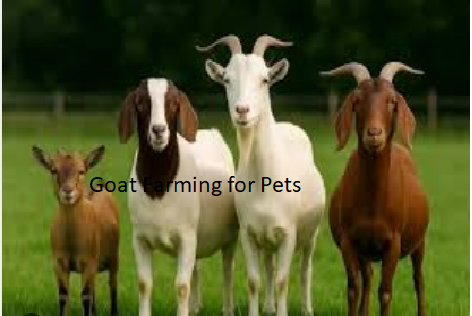
Exploring goat farming for pets involves more than just selecting a cute animal to inhabit your backyard. These intelligent, social creatures require specific living conditions, consistent nutritional management, and a long-term commitment to their health and well-being. Before bringing a caprine companion home, you must understand the legal zoning requirements, the space necessary for their activity, and the reality of their lifespan.
This article provides the essential framework for potential owners to evaluate whether they have the resources and lifestyle to support these animals effectively. You will discover the foundational steps to creating a sustainable environment for your new pet and how to manage their daily needs.
The Initial Costs of Pet Goat Ownership
Acquiring a goat is the simplest part of the process, but the long-term maintenance is where the real investment lies. You should expect to pay between $150 and $400 for a healthy, weaned goat from a reputable breeder. Miniature breeds, such as Nigerians or Pygmies, often command higher prices due to their popularity in smaller residential settings.
Beyond the purchase price, you must factor in the setup costs for infrastructure. A sturdy, predator-proof shelter is non-negotiable, costing anywhere from $500 to $2,000 depending on the materials used and whether you build it yourself. You also need to budget for fencing, which must be tall and strong enough to prevent escapes.
| Expense Category | Estimated Initial Cost |
|---|---|
| Goat Purchase | $150 – $400 |
| Basic Housing | $500 – $2,000 |
| Fencing Supplies | $300 – $1,500 |
| Initial Veterinary Care | $100 – $300 |
Ongoing monthly expenses include quality hay, specialized goat minerals, and routine vaccinations. Many owners find that setting aside $50 to $100 per month per goat covers the majority of dietary and basic health needs. Always account for emergency veterinary visits, as these can easily exceed $500 for a single event.
Space and Zoning Requirements
Before you commit to goat farming for pets, check your local municipal codes regarding livestock. Many suburban areas strictly prohibit hooved animals or impose strict acreage minimums that make keeping them impossible. You might be required to have a minimum of 0.5 to 1 acre of land per goat to ensure they have enough forage and space to roam.
Goats are highly active and need more room than their size might suggest. If your property is too small, they will quickly strip the land of vegetation, leading to soil erosion and mud issues. You must have a plan for rotation, even on small plots, to manage parasite loads and pasture quality.
Check with your local county extension office to understand the specific ordinances for your area. Some jurisdictions require a permit or a “conditional use” variance for hobbyist goat owners. Skipping this step can lead to fines or the forced removal of your animals by local authorities.
Essential Infrastructure for Your Goats
The most critical asset for your goats is a dry, draft-free shelter. While goats are hardy, they are highly susceptible to respiratory issues caused by dampness or direct exposure to cold winds. Your shelter should be raised slightly off the ground to prevent moisture buildup during rainy seasons.
Fencing is the next most important investment for a pet owner. Goats are notorious escape artists and will test the integrity of any barrier you construct. Woven wire fencing, often called “no-climb” fencing, is the industry standard for keeping goats contained while protecting them from predators like coyotes or stray dogs.
* Shelter: Must be at least 10-15 square feet per goat.
* Fencing: Should be at least 48 inches high to prevent jumping.
* Water: Needs a clean, reliable source that is scrubbed weekly.
* Bedding: Straw or pine shavings work well to keep floors dry.
Ensure your fencing is properly tensioned and secured to wooden posts. If you use electric fencing, it must be properly grounded and checked regularly for shorts. A well-constructed perimeter is the difference between a happy pet and a dangerous situation involving traffic or predators.
Nutritional Needs and Dietary Management
Goats are browsers, not grazers, meaning they prefer to eat leaves, weeds, and brush rather than just grass. A balanced diet consists primarily of high-quality hay, especially during winter months when forage is unavailable. You should avoid feeding them lawn clippings, as these can ferment in their rumen and cause severe digestive distress.
Mineral supplementation is a non-negotiable aspect of goat care. Goats have specific requirements for copper, selenium, and zinc that are often missing from standard forage. Provide a loose, high-quality goat mineral mix in a protected feeder at all times.
Clean water is perhaps the most overlooked element of goat health. Goats are notoriously picky drinkers and will refuse to touch water that has even a small amount of debris in it. Scrub their water troughs or buckets at least once a week to prevent the growth of algae and bacteria.
For more information on the complexities of caprine health, you can consult the resources provided by the United States Department of Agriculture regarding small ruminant care. This agency provides guidelines that help owners maintain the standards necessary for animal welfare.
Health Maintenance and Veterinary Care
Finding a veterinarian who treats goats is often harder than it sounds. Many small animal vets do not have the training or equipment to handle livestock, so search for a large animal or mixed-practice clinic before you bring your goats home. Establishing a relationship with a vet early allows you to have a plan for emergencies.
Routine health care includes regular deworming and hoof trimming. Goats are highly susceptible to internal parasites, particularly in warm, humid climates. You should learn to perform a FAMACHA eye score check to monitor for anemia caused by stomach worms.
Hoof trimming is required every 6 to 8 weeks to prevent rot and structural issues. If you do not learn to do this yourself, you will need to pay a farrier or vet to visit regularly. Neglected hooves can lead to permanent lameness and significant pain for the animal.
Socialization and Behavioral Realities
Goats are herd animals and suffer from extreme stress when kept alone. You should never own just one goat; always keep at least two, though three is often better for herd dynamics. A solitary goat will likely become loud, destructive, and difficult to manage as it desperately seeks company.
Training your goats is entirely possible and highly recommended. They are intelligent and food-motivated, making them receptive to basic commands like “come,” “stay,” or walking on a lead. Spending 15 to 30 minutes a day interacting with your goats builds a bond that makes routine health checks much easier.
Be aware that intact male goats, known as bucks, can be aggressive and have a very strong odor. If you are keeping goats as pets, it is almost always better to opt for wethers (castrated males) or does (females). Wethers are generally more docile and do not carry the intense, musky smell associated with breeding bucks.
Challenges of Goat Farming for Pets
The reality of keeping goats often differs from the social media aesthetic. They are destructive creatures that will chew on electrical cords, trees, and your garden fence if given the chance. You must “goat-proof” your property by covering exposed wires and protecting any plants you want to keep.
Noise can also be an issue, especially if your goats are bored or hungry. They can be incredibly vocal, particularly when calling to their herd mates or reacting to perceived threats. If you have close neighbors, this is a factor that could lead to complaints or legal disputes.
Managing waste is another logistical hurdle you must overcome. A small herd of goats produces a surprising amount of manure, which must be managed to prevent smell and fly issues. Composting the manure is an excellent way to turn a waste product into a valuable fertilizer for your garden.
Understanding the Lifespan and Commitment
Goats can live for 10 to 15 years, meaning this is a long-term commitment. You must think about your plans for the next decade before taking on these animals. Life changes such as moving, career shifts, or family growth can make pet ownership difficult, so having a contingency plan is vital.
During their later years, goats require more intensive care. This might include specialized senior feed, joint supplements, and more frequent veterinary checkups. Being prepared for the end-of-life care for your pets is a responsible part of the ownership experience.
If you find yourself unable to care for your goats, do not simply turn them loose. Research local rescue groups or sanctuaries that specialize in farm animals. Understanding the exit strategy for your pets is just as important as the planning you do for their arrival.
Common Questions About Pet Goats
Do pet goats need to be vaccinated?
Yes, goats require routine vaccinations to prevent common and often fatal diseases. The most critical is the CD&T vaccine, which protects against clostridial diseases and tetanus. Discuss a vaccination schedule with your local veterinarian based on your specific region and the risks present in your area.
How much space do I need for two goats?
While some sources suggest smaller areas, a good rule of thumb is to provide at least 100 to 200 square feet of outdoor space per goat for exercise, in addition to their shelter. If you have limited space, you must be very diligent about cleaning the area and providing enrichment to prevent boredom.
Can I keep a goat inside my house?
Keeping a goat inside your home is generally not recommended and is often impractical. Goats are not house-trainable in the way dogs are, and their hooves can destroy flooring. They also require constant access to forage, which creates significant dust and debris that is difficult to manage indoors.
Are goats compatible with dogs?
It depends entirely on the breed and temperament of your dog. Many dogs view small livestock as prey, which can lead to tragic outcomes. Never leave a dog unsupervised with a goat, even if they seem friendly, as the predator-prey instinct can be triggered unexpectedly.
What is the best breed for a pet?
Nigerian Dwarf and Pygmy goats are the most popular choices for pets due to their smaller size and manageable temperaments. Both breeds are social and can become very affectionate with consistent handling. Always choose a breeder who socializes their kids from a young age to ensure you get a friendly animal.
Final Thoughts on Responsible Ownership
Successfully managing goat farming for pets requires a balance of passion and practical preparation. By investing in the right infrastructure, understanding the nutritional needs, and committing to the long-term health of your animals, you can create a rewarding experience. These animals offer unique companionship, but they demand a high level of daily management that goes far beyond traditional pet care.
Before you finalize your decision, spend time visiting local farms or volunteering at a rescue to get hands-on experience with the realities of daily maintenance. If you determine that you have the time, space, and financial resources required, the process of bringing goats onto your property can be a fulfilling endeavor. Always prioritize the welfare of the animals, as their health and happiness are the foundation of a successful relationship.
