

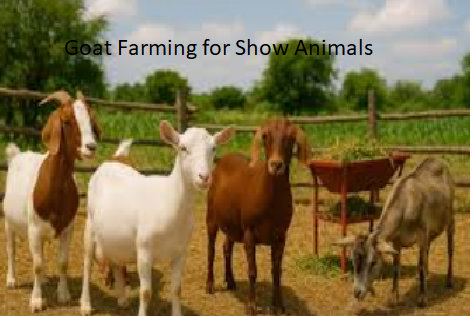
Engaging in goat farming for show animals requires a unique blend of animal husbandry, genetic selection, and intense physical preparation. Unlike commercial meat or dairy production, the goal here is to raise a specimen that perfectly matches the breed standards defined by associations like the American Dairy Goat Association or the American Boer Goat Association.
Success depends on your ability to spot potential early, invest in proper nutrition, and master the art of showmanship. You will find that this pursuit is as much about building relationships in the agricultural community as it is about the animals themselves.
The primary financial commitment for a beginner entering the world of goat farming for show animals typically ranges from $1,500 to $3,000 for a high-quality foundation doe. This initial investment covers the purchase price of a registered animal with a strong pedigree, which is essential for competing at the county, state, or national level.
Beyond the acquisition cost, you must budget approximately $500 to $1,000 per year for specialized show feeds, veterinary health certificates, registration fees, and travel expenses for circuit events. While some breeders recoup costs through the sale of high-quality offspring, most hobbyists view this as a lifestyle investment rather than a primary income source.
Selecting Foundation Stock with Competitive Potential
When you decide to start, your most critical decision is selecting the right foundation animals. Look for individuals that exhibit structural correctness, as judges prioritize sound movement and balanced conformation above all else.
A goat with weak pasterns or a roached back will struggle to place, regardless of its temperament or coat quality. You should prioritize purchasing from breeders who have a proven track record of producing winners in the specific divisions you intend to enter.
Always review the pedigree of any animal you consider for your program. A strong genetic history often predicts how an animal will mature and whether it will pass desirable traits to its own offspring.
Ask for records of milk production, growth rates, or previous show winnings within the immediate family line. If a breeder is unwilling to provide documentation or show you the dam and sire, walk away immediately.
Nutritional Management for Show Condition
Achieving that perfect show ring look is largely a product of what you put in the feed trough. Show goats require a balanced diet that supports muscle development without causing excessive fat deposits that obscure the animal’s frame.
You need to provide high-quality forage supplemented with a precise grain ration tailored to the goat’s growth stage. Many successful exhibitors consult with nutritionists or experienced mentors to design feeding programs that maximize bloom and shine.
Monitoring body condition scores is essential throughout the growing phase. You want your animals to appear athletic and well-muscled rather than simply heavy.
Frequent handling allows you to feel the ribs and spine, ensuring the animal isn’t carrying too much subcutaneous fat. Adjustments to the feeding schedule should happen gradually to avoid digestive upsets, which can lead to a dull coat or poor performance on show day.
Structural Training and Handling Techniques
A beautiful goat that refuses to lead or stand correctly will rarely win a ribbon. You must begin halter training as early as possible, ideally while the kids are still nursing, to build trust and familiarity.
Spend time each day walking your goats in a quiet, controlled environment to desensitize them to the noise and activity of a show barn. Consistency is the secret to a calm animal that presents well under pressure.
Teaching a goat to “set up” is a technical skill that requires patience and spatial awareness. You want the animal to place its feet squarely under its body, with its head held high and alert.
Use a show stick to gently position the legs and keep the animal’s attention focused toward the judge. Practice this until the process becomes muscle memory for the goat, allowing you to focus on your own posture and presentation in the ring.
Health Protocols and Veterinary Care
Maintaining a rigorous health program is non-negotiable when your goats are frequently exposed to other herds. You must keep all vaccinations up to date, including those for enterotoxemia and tetanus, which are critical for growing animals.
Consult with your local veterinarian to establish a parasite management plan that utilizes fecal testing rather than blanket deworming. Over-reliance on anthelmintics has led to widespread resistance, making targeted treatment a necessity for long-term herd health.
Biosecurity is the most effective way to prevent the introduction of contagious diseases like Caseous Lymphadenitis or Caprine Arthritis Encephalitis. Keep your show string isolated from the rest of your herd for at least 30 days after returning from any event.
This quarantine period allows you to observe the animals for any signs of illness before they rejoin the main group. Documenting every health event, treatment, and test result in a dedicated logbook is a standard practice for serious exhibitors.
Capitalizing on Breed Standards
Every breed has a specific set of criteria that judges use to evaluate entries in the ring. For dairy breeds, the mammary system is the most heavily weighted component, requiring high, wide attachments and balanced teat placement.
In meat breeds, the emphasis shifts toward muscling over the loin, leg, and rack, along with overall growth rate. Understanding these nuances allows you to emphasize your animal’s strengths while masking minor faults through careful grooming and presentation.
You can find the official scorecards and breed standards through organizations such as the American Dairy Goat Association to guide your selection and training. Studying these documents will help you develop an “eye” for the ideal animal, which is the most valuable asset you can acquire.
Attend shows as a spectator before you ever bring your own animal. Watch how the top exhibitors move their goats and how they interact with the judges to learn the unspoken etiquette of the arena.
Financial Planning for the Show Circuit
Running a competitive operation requires a realistic budget that accounts for both predictable and surprise expenses. Travel costs often represent the largest portion of your budget, including fuel for trailers, entry fees, and hotel stays.
You should track your expenditures carefully to understand the true cost of participating in specific circuits. This data will help you decide which events offer the best return on investment, whether in prize money, animal value, or networking opportunities.
| Expense Category | Annual Estimated Cost (Low) | Annual Estimated Cost (High) |
| :— | :— | :— |
| Feed and Supplements | $400 | $900 |
| Veterinary/Health Care | $200 | $500 |
| Show Entry Fees | $150 | $400 |
| Travel/Trailer Fuel | $300 | $800 |
| Equipment/Grooming | $100 | $300 |
Essential Equipment for Success
Having the right tools makes the labor-intensive process of grooming much more efficient and effective. You will need a variety of brushes, clippers, and shampoos designed specifically for goat hair to ensure a clean, healthy coat.
A sturdy grooming stand is essential for clipping and hoof trimming, as it keeps the animal elevated and secure. Invest in a high-quality halter that fits your animal perfectly to avoid discomfort during training sessions.
* Heavy-duty clippers with multiple blade sizes
* Adjustable grooming stand with a headpiece
* Show-quality soap and whitening shampoo
* Hoof trimmers and a rasp for leveling
* Show stick for positioning in the ring
* Water buckets and specialized feed pans
Frequently Asked Questions
How much does it cost to start in this hobby?
The initial cost for a quality foundation animal is usually between $1,500 and $3,000. You should also set aside at least $500 for the first year of feed, equipment, and registration fees.
What is the most important trait in a show goat?
Structural correctness is the most important factor. If a goat does not move well or lacks proper skeletal balance, it will not place in a competitive show regardless of its secondary characteristics.
How do I prepare a goat for its first show?
Start with socialization and halter training at least three months before the event. Practice standing in the “set up” position daily and ensure the animal is comfortable around strangers and loud noises.
Is it possible to make a profit from this?
While some breeders make money by selling high-pedigree offspring to other exhibitors, most people find it difficult to cover the full cost of travel and maintenance. It is generally considered a lifestyle investment rather than a commercial business.
How often should I trim my goat’s hooves?
You should check and trim hooves every 4 to 6 weeks. Regular maintenance keeps the goat standing correctly and prevents long-term structural issues that could affect their performance in the ring.
Building a Lasting Legacy
Entering the world of goat farming for show animals is a long-term commitment that rewards patience and attention to detail. By focusing on the health and structural integrity of your stock, you build a reputation that extends far beyond the show ring. The relationships you form with other breeders will provide you with a support network that is invaluable during the inevitable challenges of livestock management.
Keep your goals clear, remain dedicated to the welfare of your animals, and enjoy the process of continuous improvement. As you gain experience, you will find that the pride of raising a high-quality animal is the greatest reward of all. Reach out to local 4-H clubs or breed associations to find a mentor who can help you take your first steps into this rewarding community.
