

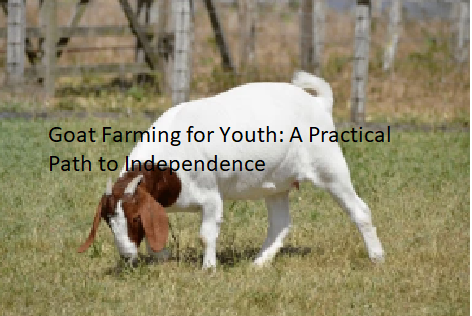
Engaging in goat farming for youth offers a tangible way to build financial independence while learning the fundamentals of sustainable agriculture and animal husbandry. By starting with a small, manageable herd, young entrepreneurs can transform a modest plot of land into a productive business that generates steady income through milk, meat, or fiber production.
The initial financial barrier for a beginner is relatively low, typically ranging from $500 to $2,000 for a starter trio of healthy, weaned goats and basic fencing materials. This figure covers the purchase of two does and a buck, essential vaccination kits, and temporary shelter construction costs. While specialized equipment can drive expenses higher, most youth programs emphasize starting with local breeds that are naturally adapted to the climate, significantly reducing veterinary and maintenance costs.
Starting Your Herd with Minimal Capital
The most effective way to enter the livestock industry is by focusing on high-turnover breeds that mature quickly. Dairy breeds like Nigerian Dwarfs or meat-focused breeds like Kiko goats are often recommended for beginners because they are hardy and require less intensive management than larger, high-maintenance commercial breeds. A young farmer should prioritize acquiring healthy stock over purchasing expensive infrastructure in the first year.
Securing land access is often the primary hurdle for those just starting out. You do not necessarily need to own large acreage; many youth farmers begin by leasing small paddocks or utilizing existing backyard spaces that are properly zoned for livestock. Building a relationship with a local mentor can provide access to shared equipment, which drastically cuts your startup overhead during the initial growth phase.
Essential Infrastructure for Small-Scale Operations
Shelter design does not need to be elaborate to be effective. Goats primarily require protection from wind, rain, and extreme heat, which can be achieved with a simple three-sided lean-to constructed from reclaimed lumber or corrugated metal sheets. Proper ventilation is far more critical than insulation, as damp, stagnant air is the leading cause of respiratory issues in small herds.
Fencing represents the most significant non-animal expense for a new operation. Woven wire fencing, often called “no-climb” fencing, is the gold standard for keeping predators out and goats in. While it carries a higher upfront cost than electric netting, it lasts much longer and offers superior security for your investment.
| Item | Estimated Cost | Longevity |
|---|---|---|
| Starter Trio (Kids) | $450 – $900 | 6-10 years |
| Portable Fencing | $200 – $400 | 3-5 years |
| Basic Medical Kit | $100 – $150 | Annual renewal |
| Shelter Materials | $200 – $500 | 5+ years |
Managing Herd Health and Nutrition
Goats are browsers rather than grazers, meaning they prefer eating shrubs, weeds, and tree leaves over standard grass pasture. This dietary preference makes them excellent for clearing overgrown land, which can be marketed as a secondary service to neighbors or local property owners. Providing high-quality hay during winter months is non-negotiable, as poor nutrition will manifest quickly in reduced milk yield or stunted growth in kids.
A rigorous vaccination and deworming schedule is the hallmark of a professional producer. You should consult with a local veterinarian to establish a protocol specific to your region, as parasite resistance varies by climate. Keeping detailed records for each animal, including birth dates, vaccination history, and weight gain, is essential for identifying which goats are your most profitable assets.
Marketing Your Goat Products
Direct-to-consumer sales provide the highest profit margins for small-scale farmers. Selling goat milk or artisanal cheeses requires strict adherence to local food safety regulations, so always check with your state department of agriculture before processing dairy for public sale. Many youth farmers find success by focusing on niche markets, such as selling meat to ethnic communities that prioritize fresh, humanely raised livestock for traditional holidays.
Social media serves as a powerful, cost-free marketing tool for young producers. Posting photos of your herd, explaining your farming practices, and sharing the daily life of a farmer helps build trust with local customers. Transparency regarding how you raise your animals is a major selling point that allows you to charge a premium price compared to grocery store alternatives.
Financial Planning for Long-Term Growth
Profitability in this sector rarely happens overnight. You must reinvest your initial earnings back into the farm by upgrading your fencing, purchasing higher-quality breeding stock, or investing in better hay storage facilities. Tracking every dollar spent versus every dollar earned is what separates a hobbyist from a business owner.
Developing a business plan helps you anticipate seasonal cash flow gaps. For example, you will likely spend more on feed during the winter, while your income might peak in the spring when kids are sold or milk production hits its stride. Managing these fluctuations through careful budgeting ensures that your farm remains solvent throughout the year.
Key Skills for the Modern Goat Farmer
Practical skills often outweigh theoretical knowledge in this industry. Learning how to perform basic hoof trimming, administer oral medications, and assist in a difficult birth will save you thousands of dollars in veterinary bills over time. Many youth agricultural organizations, such as the 4-H program, offer hands-on training that is invaluable for building this technical competence.
Networking with other local farmers is equally important. Older, experienced producers often have surplus equipment or breeding stock they are willing to trade or sell at a discount to someone who shows genuine dedication. Being a reliable member of your local farming community can open doors to land leases and marketing opportunities that aren’t advertised online.
Addressing Common Risks and Challenges
Predators pose a constant threat to any goat herd, regardless of its size. Coyotes, stray dogs, and even birds of prey can decimate a young herd if proper protection is not in place. Many successful small-scale farmers utilize livestock guardian dogs or donkeys, which provide a natural, effective deterrent against most common predators.
Environmental stressors like excessive rain or drought also impact your bottom line. You must have a contingency plan for water access during a drought and dry storage for hay during a wet season. Preparing for these inevitable challenges is part of the maturity required to run a successful agricultural enterprise.
Scaling Up Your Operation
Once you have mastered the basics of animal care, you may consider expanding your herd size. Scaling up should only happen when you have a consistent market for your output and sufficient pasture to support more animals. Adding too many goats too quickly often leads to overgrazing, which depletes the land and increases the risk of parasite infestations.
Diversification represents another path for growth. Some youth farmers supplement their income by selling goat manure as high-quality compost to local gardeners or by renting their goats out for weed control projects. These secondary revenue streams can stabilize your income and make your farm more resilient to market shifts in livestock prices.
- Focus on high-demand, low-maintenance breeds to ensure quick turnover.
- Prioritize the construction of secure, predator-proof fencing before buying animals.
- Maintain meticulous health records to prove the quality of your stock to buyers.
- Leverage social media to build a local brand and attract direct-to-consumer sales.
- Build relationships with local veterinarians to stay ahead of regional health issues.
- Reinvest all early profits into infrastructure to reduce future labor costs.
Frequently Asked Questions
How many goats should a beginner start with?
A beginner should start with at least two or three goats, as they are herd animals that experience significant stress when kept alone. Starting with a small number allows you to learn the daily care requirements and observe their behavior without being overwhelmed by the physical labor of a large herd.
How long does it take for a kid to grow into a goat?
A goat reaches sexual maturity between six and twelve months of age, but they are typically considered fully grown or physically mature by eighteen to twenty-four months. The growth rate depends heavily on the breed and the quality of nutrition provided during their first year.
Do goat farmers actually make money?
Yes, goat farming can be profitable, but it requires treating the farm as a business rather than a hobby. Success depends on finding a niche market, such as selling premium meat, milk, or breeding stock, and keeping overhead costs low through efficient management and local resource utilization.
How many acres do you need to raise 100 goats?
The number of acres required depends on the quality of your pasture, but a general rule of thumb is that you can sustain five to ten goats per acre on high-quality forage. If your land is poor or you rely entirely on supplemental feeding, you will need significantly more space to prevent overgrazing and soil erosion.
What are the biggest disadvantages of raising goats?
The primary challenges include the high cost of predator-proof fencing, the constant need for vigilance regarding internal parasites, and the time commitment required for daily care. Goats are also notorious escape artists, meaning you must be prepared to repair fences and secure gates regularly.
Building a Sustainable Future
Goat farming for youth is a rewarding endeavor that teaches resilience, financial discipline, and the value of hard work. By starting small and focusing on the core principles of animal health and market demand, you can build a venture that supports your goals for years to come. Success in this field is not measured by the size of your herd, but by the efficiency and sustainability of your operations.
As you gain experience, continue to refine your methods and seek out new markets for your products. Whether you choose to focus on meat, dairy, or fiber, the skills you develop will serve you well in any future business pursuit.
Stay committed to learning, keep your costs low, and never underestimate the value of a well-cared-for herd. Your journey into the world of agriculture starts with that first, well-planned step.
