

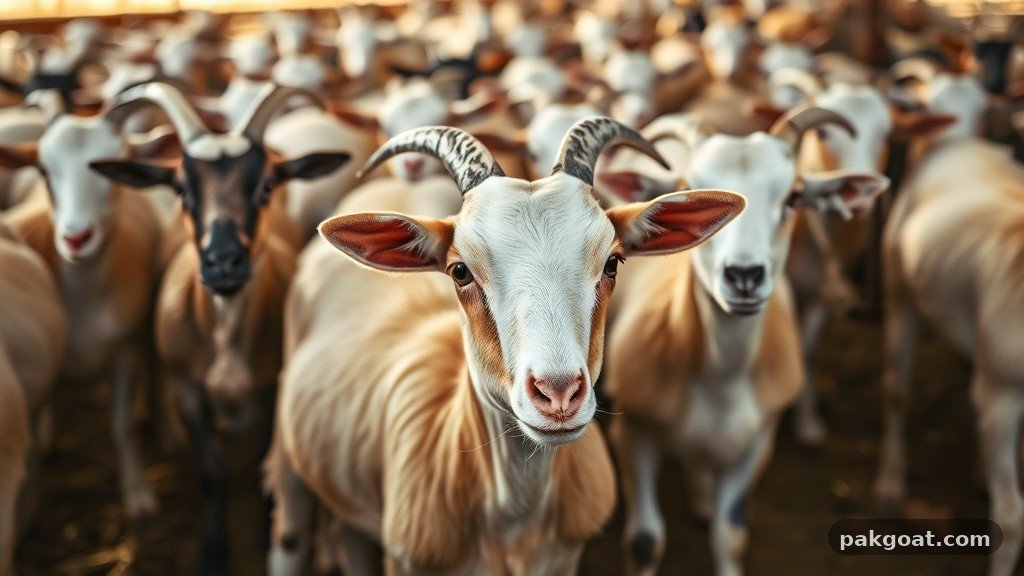
Successful goat farming relies on understanding the specific nutritional, housing, and health needs of your herd before you bring the first animal onto your property. Whether you are aiming for dairy production, meat, or fiber, this goat farming guide provides the foundational knowledge required to transition from a hobbyist to an efficient producer. By focusing on site preparation and breed selection, you set the stage for long-term viability and animal welfare.
Starting with the Right Herd Size
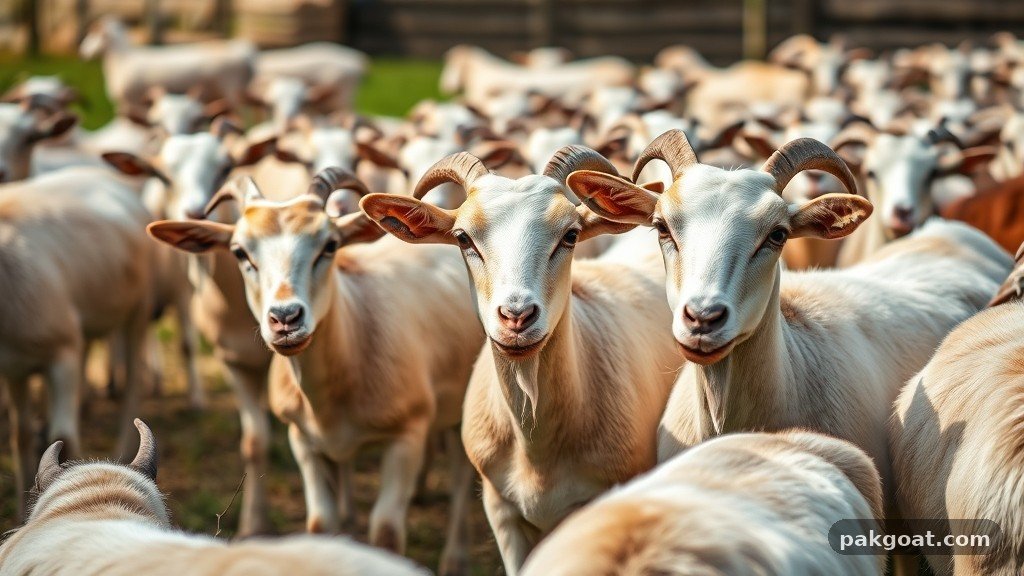
Beginners should start with a small herd of two to five does. Goats are herd animals and will experience extreme stress if kept in complete isolation. Starting small allows you to manage initial costs while learning the daily routines of grooming, feeding, and medical monitoring. You can expect to spend between $150 and $400 per quality doe, depending on the breed and lineage. Avoid purchasing large numbers initially, as the learning curve regarding parasite management and forage requirements is steep.
Land Requirements for Goat Herds
Many new producers wonder how much space their animals truly need to thrive. A general rule of thumb is that you can support 6 to 10 goats per acre of well-managed pasture, assuming you rotate the animals frequently to allow the grass to recover. If you are practicing zero-grazing or intensive stall-feeding, the land requirement drops significantly, but the labor requirement for hauling feed increases. You need at least 15 square feet of indoor space per goat to ensure they have enough room to rest comfortably and avoid social friction.
Essential Infrastructure and Housing Requirements
A functional barn or shed is the most critical asset for maintaining a healthy herd. Goats are notoriously sensitive to moisture, drafts, and extreme cold, meaning your structure must prioritize dryness above all else. A simple three-sided structure facing away from the prevailing wind is often sufficient in mild climates. In regions with harsh winters, you must provide a fully enclosed building that retains heat while still allowing for proper ventilation to prevent respiratory issues.
Fencing and Security
Fencing represents a significant portion of your startup capital because goats are expert escape artists. Woven wire fencing, often called “no-climb” fencing, is the gold standard for keeping goats contained and predators out. You should aim for a fence height of at least 48 inches to prevent jumping. Avoid using barbed wire, as it can easily tear the thin, sensitive skin of a goat and lead to expensive veterinary bills or permanent injury.
Water and Feeding Systems
Goats require constant access to clean, fresh water to maintain high milk production or healthy growth rates. A single adult goat can drink between 1 and 3 gallons of water daily, depending on the temperature and their stage of lactation. Elevate your water troughs to prevent debris and manure from contaminating the supply. Similarly, use raised hay feeders to keep feed off the ground, as this significantly reduces the risk of internal parasites and wasted forage.
Understanding Goat Nutrition and Forage
Unlike sheep or cattle, goats are browsers rather than grazers. They prefer to eat leaves, shrubs, vines, and weeds, which makes them excellent for land clearing. However, relying solely on pasture is rarely enough for high-producing animals. You must supplement their diet with high-quality hay during the winter months or periods of drought. A balanced mineral supplement is also mandatory, as goats have high requirements for copper and selenium that are often missing from standard regional grasses.
The Role of Supplemental Feed
When you are managing lactating does or growing kids, forage alone will not meet their energy demands. You should introduce a high-quality grain mix or commercial goat ration to support their metabolic needs. Avoid overfeeding grain, as this can lead to a condition called acidosis or bloat, which can be fatal within hours. Always introduce dietary changes gradually over a period of two weeks to allow the rumen bacteria to adjust to the new feed source.
Managing Toxic Plants
Before releasing your goats onto a new pasture, walk the perimeter to identify and remove toxic vegetation. Plants such as rhododendron, azaleas, mountain laurel, and wild cherry can be toxic if consumed in large quantities. It is a common misconception that goats instinctively know what is poisonous; they will often eat whatever is available if they are bored or hungry. Keeping your pastures clear of these hazards is a non-negotiable part of responsible herd management.
Health Management and Disease Prevention
Parasite control is arguably the most challenging aspect of goat farming. The barber pole worm is the primary threat to herd health, as it feeds on the animal’s blood and can cause rapid anemia. You must learn to perform a FAMACHA score check, which involves examining the color of the lower eyelid to determine if the goat is suffering from anemia. This internal parasite management resource from the University of Maryland provides detailed protocols for monitoring and treatment.
Vaccination Schedules
Every herd should be vaccinated against Enterotoxemia and Tetanus, commonly known as the CD&T vaccine. These diseases are widespread and can kill a healthy animal with little warning. You should administer the first dose to kids at 8 to 12 weeks of age, followed by a booster four weeks later. Annual boosters are then required for all adult animals to maintain their immunity throughout their lives.
Monitoring for Foot Health
Hoof maintenance is a recurring chore that you must perform every 6 to 8 weeks. Overgrown hooves can lead to lameness and permanent joint damage, rendering the animal unproductive. You will need a pair of sharp hoof trimmers and a sturdy stand to keep the animal still while you work. Regular trimming also provides an opportunity to inspect the hoof for signs of foot rot, which thrives in muddy, damp conditions.
The Economics of Goat Farming
Profitability in this sector depends on your ability to control overhead costs while maximizing the value of your output. Meat breeds like the Boer are typically sold at market weight, which is often around 80 to 100 pounds. Dairy goats provide a daily return on investment through milk, cheese, or soap production, but they require a much higher time commitment. You must calculate your break-even point by tracking your feed, veterinary, and infrastructure costs against your expected annual yield.
Comparison of Goat Farming Models
| Factor | Meat Production | Dairy Production |
|---|---|---|
| Primary Revenue | Sale of kids | Milk/Cheese/Soap |
| Labor Intensity | Low to Medium | High (Twice daily) |
| Infrastructure | Pasture-focused | Milking parlor |
| Market Cycle | Seasonal | Year-round |
Marketing Your Products
Direct-to-consumer sales often yield the highest margins for small-scale operations. If you are selling meat, focus on local ethnic markets or high-end restaurants that prioritize grass-fed, humanely raised products. For dairy producers, value-added products like goat milk soap or aged cheeses allow you to capture more value from every gallon of milk produced. Always check your local and state regulations regarding the sale of raw dairy products, as these laws vary significantly by region.
Breeding Cycles and Reproductive Success
Goats are short-day breeders, meaning they typically enter estrus as the days grow shorter in the autumn. A doe’s gestation period lasts approximately 150 days, or roughly five months. Successful kidding requires preparation, including having a birthing kit ready with towels, antiseptic, and a kid-sized bottle. You should monitor your does closely during the final weeks of pregnancy to ensure they have a clean, dry area to give birth.
Managing the Kidding Season
The arrival of kids is the most critical time in the farming calendar. You must ensure that each newborn consumes colostrum within the first hour of life to receive necessary antibodies. If a doe rejects her kid, you will need to prepare to bottle-feed using a high-quality milk replacer. Maintain a weight log for each kid to ensure they are gaining at a healthy rate, typically 0.5 pounds per day for meat breeds.
Selecting for Genetic Improvement
Improvement of your herd quality comes down to careful selection of your buck. The buck is half the herd, meaning his genetics have a massive impact on your future production. Look for bucks that demonstrate strong conformation, good temperament, and a history of high milk production or rapid growth in their lineage. Avoid keeping a buck that is overly aggressive, as this trait is often passed down to offspring and makes daily handling dangerous.
Frequently Asked Questions
How many goats should a beginner start with?
A beginner should start with at least two or three does. Because goats are social animals, keeping a single goat is not recommended as it leads to behavioral problems and intense stress for the animal.
What is the number one killer of goats?
Internal parasites, specifically the barber pole worm, are the leading cause of death in managed goat herds. Effective management involves pasture rotation and regular health checks to catch anemia early.
How do I know if my goat is sick?
Common signs of illness include a lack of appetite, isolation from the herd, a hunched posture, or a dull coat. You should also monitor the animal’s temperature and look for any abnormal discharge from the eyes or nose.
Is it expensive to start a goat farm?
Startup costs vary widely based on your existing infrastructure. If you already have land and a barn, you can start for under $1,000, but if you need to build fences and shelters from scratch, costs can quickly exceed $5,000.
Can goats live on grass alone?
While goats graze on grass, they are browsers and require a variety of plants to stay healthy. They also need access to high-quality mineral blocks and supplemental hay during the winter to maintain their weight.
Building a Sustainable Future
Developing a successful operation requires patience and a commitment to continuous learning. As you gain experience, you will find that the rhythm of the seasons dictates your daily schedule, from the frantic pace of kidding season to the maintenance-heavy months of summer. By focusing on animal health and efficient resource management, you can create a productive farm that serves your needs for years to come.
This goat farming guide emphasizes that consistent, daily observation is the best tool at your disposal. When you spot a health issue early or adjust your grazing rotation before a pasture is overgrazed, you save yourself significant time and money.
Start small, prioritize your infrastructure, and always listen to the needs of your herd. With these steps, you will be well-positioned to enjoy the rewards of raising healthy, productive goats on your own land.
