

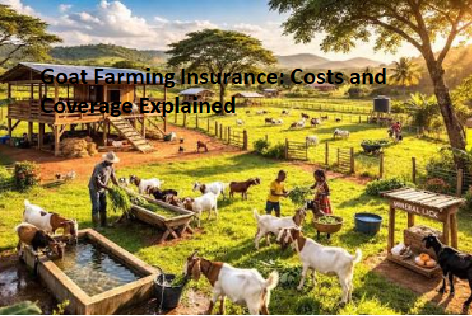
Securing the right goat farming insurance is a critical step for any producer looking to protect their investment from unpredictable risks. Whether you manage a small herd for milk production or a large-scale commercial operation, understanding the specific financial protections available will determine your business’s long-term viability. This overview clarifies how these policies function, what they typically cover, and the factors that influence your annual premiums.
By assessing your risk profile and operational scale, you can better navigate the complexities of agricultural risk management. You will learn exactly what to look for when evaluating quotes and how to ensure your assets remain protected against common industry threats.
What is the average cost of goat insurance?
Most goat farming insurance premiums range from 1% to 5% of the total herd value annually. If your herd is valued at $20,000, you might expect to pay between $200 and $1,000 per year depending on your location and risk history. These figures are not fixed, as insurers evaluate factors like herd size, breed rarity, and your history of claims.
High-value pedigree animals will command higher premiums than standard commercial goats due to the potential loss of breeding stock value. Always request a quote based on your specific inventory rather than relying on industry averages alone.
Evaluating Livestock Mortality Coverage
Livestock mortality insurance is the most common form of protection for goat farmers. It functions similarly to life insurance, providing a payout if an animal dies due to a covered accident, illness, or disease.
Most policies are “all-risk,” meaning they cover death resulting from fire, lightning, windstorm, or accidental injury. However, some policies exclude death caused by specific chronic diseases or lack of proper veterinary care.
When you purchase this coverage, you must provide a detailed inventory of your goats. You will need to declare the age, breed, and market value of each animal at the time of the policy inception.
Some insurers require a health certificate from a licensed veterinarian if you are insuring animals above a certain dollar threshold. This documentation ensures that the insurance company is not covering pre-existing conditions.
If you have breeding stock, consider adding a “loss of use” rider to your policy. This provision compensates the owner if an animal becomes permanently incapable of breeding due to an injury or illness.
This is particularly valuable for high-value bucks or does that serve as the foundation of your genetic program. Without this specific rider, standard mortality insurance only triggers upon the animal’s death, leaving you financially exposed if the animal survives but loses its utility.
Understanding Liability Protection
Liability insurance is perhaps even more important than mortality coverage for a commercial farm. If a visitor to your property is injured by a goat, or if your animals escape and cause a traffic accident, you could face significant legal costs.
General farm liability policies are designed to cover these third-party claims. They pay for legal defense costs and any settlements or judgments up to the policy limit.
Many farmers mistakenly believe their standard homeowner’s policy covers their farming activities. In reality, most residential policies specifically exclude commercial farming operations.
You should ask your agent to include a “farm liability” extension or purchase a standalone policy that specifically names your goat operation. This ensures that the insurance carrier understands the nature of your business and the risks involved.
Consider the implications of agritourism if you host farm tours or goat yoga sessions. These activities introduce significant extra risk because members of the public are interacting directly with your animals.
Standard liability policies may not cover these events without a specific endorsement. You must disclose these activities to your insurer to ensure your coverage is valid during public events.
The Role of Property and Equipment Insurance
Your goats are not the only assets that require protection on a working farm. Barns, milking parlors, specialized fencing, and expensive equipment like feed mixers or pasteurizers represent a massive capital investment.
Property insurance covers these structures and tools against fire, theft, vandalism, and extreme weather damage. When insuring your barns, ensure the policy covers the full replacement cost rather than the “actual cash value.”
Replacement cost coverage pays the amount needed to rebuild a barn with new materials at current prices. Actual cash value, by contrast, depreciates the building based on its age and wear, which often leaves you unable to afford a rebuild.
Given the rising cost of construction materials, this distinction is vital for maintaining your operations after a disaster. Review your property limits every year to account for any new equipment purchases or facility upgrades.
Fencing is often a point of contention in property claims. Many policies treat fencing as a separate category with specific sub-limits.
Check whether your policy covers damage caused by fallen trees or heavy snow loads. If you use high-tensile electric fencing or expensive perimeter barriers, ensure those specific assets are explicitly listed in your policy documents to avoid disputes during a claim.
Factors Influencing Your Insurance Premiums
Several variables dictate the final price of your goat farming insurance. Location is a primary factor, as regions prone to natural disasters like wildfires, floods, or hurricanes will see higher rates.
Insurers utilize geographic data to assess the risk of climate-related losses, which can significantly drive up your premiums. Proximity to emergency services, such as a fire station or a veterinarian, can sometimes help lower these costs.
Your management practices also play a major role in underwriting. Insurers look for evidence of good animal husbandry, such as regular health records, vaccination schedules, and secure facilities.
A farm that demonstrates proactive disease control and maintenance is viewed as a lower risk. Some companies offer discounts for farmers who belong to professional associations or who have completed certified animal welfare training.
The following table illustrates how different operational factors can influence the base cost of your insurance premiums:
| Factor | Impact on Premium | Mitigation Strategy |
|---|---|---|
| Herd Size | Higher total cost | Bulk coverage discounts |
| Animal Value | Directly proportional | Accurate appraisal |
| Security Measures | Potential discount | Perimeter fencing/CCTV |
| Geographic Risk | High variability | Disaster mitigation plans |
Managing Risks Through Preventive Measures
Insurance should be viewed as a safety net, not a substitute for proactive risk management. By reducing the likelihood of a claim, you keep your premiums stable and your operations running smoothly.
Start by implementing a strict biosecurity protocol to prevent the introduction of infectious diseases into your herd. Quarantine all new arrivals for at least 30 days, as this is the most common way pathogens enter a farm.
Regular veterinary health checks are another essential layer of protection. Documenting these visits provides evidence to your insurer that you are acting as a responsible steward of your livestock.
Keep detailed records of all medical treatments, deworming schedules, and vaccination dates in a centralized log. If a loss occurs, having these records ready will significantly speed up the claims process.
Infrastructure maintenance is equally vital for risk mitigation. Inspect your fencing monthly to identify weak spots where goats might escape or predators might enter.
Clear brush away from barns to create a firebreak and ensure that all electrical wiring in your livestock buildings is up to code. For more information on maintaining safe agricultural environments, you can consult the United States Department of Agriculture for best practices in farm safety and risk reduction.
Common Exclusions to Watch For
Not every loss is covered by a standard policy, and failing to understand these exclusions can lead to significant financial shocks. Many policies exclude losses related to “inherent vice,” which refers to natural deterioration or common health issues that are expected in livestock.
This often includes minor illnesses, routine hoof issues, or age-related decline. You must be prepared to absorb the costs of these routine veterinary needs yourself.
Another frequent exclusion involves losses caused by government-mandated culling. If a disease outbreak occurs and the state government orders the destruction of your herd, standard mortality insurance rarely covers the loss.
While some government programs exist to compensate farmers for these events, they are often slow and may not cover the full market value of your animals. Check if your policy offers an optional endorsement for government-ordered destruction.
Pollution and environmental liability are also commonly excluded from basic farm policies. If manure runoff from your property enters a waterway and causes environmental damage, you could be held liable for cleanup costs and fines.
Ensure your liability coverage includes a specific endorsement for pollution or environmental impact. This is particularly important if you operate a high-density farm with significant waste management requirements.
Key Steps for Filing a Claim
When a loss occurs, your immediate priority is to document the situation thoroughly. Contact your insurance provider as soon as you become aware of an issue, even if you are not sure it will result in a claim.
Most policies have a strict window for notification, and delaying the report can result in a denial of coverage. Take clear photographs of the damage, the site of the incident, and the affected animals.
If an animal dies, consult your policy regarding the requirements for a necropsy. Many insurers mandate a professional examination by a veterinarian to determine the cause of death before they will process a mortality claim.
Do not dispose of the carcass until you have received confirmation from your insurance adjuster that they do not require further evidence. This step is critical for preventing fraud and ensuring that the claim is handled fairly.
Maintain a paper trail of every communication with your agent or adjuster. Keep a log of phone calls, including the name of the representative you spoke with and the date of the conversation.
If you submit documents or photos, send them via email to have a timestamped record. Being organized and proactive during the claims process significantly improves your chances of a prompt and accurate payout.
Frequently Asked Questions
Can I insure goats that are not registered with a breed association?
Yes, you can insure non-registered or commercial goats, but the valuation process will differ. Instead of using a pedigree value, the insurer will look at the fair market value of similar animals in your area. You may need to provide sales receipts or recent auction records to support your valuation.
Does my goat farming insurance cover wildlife attacks?
Most standard mortality policies cover accidental death, which usually includes attacks by predators like coyotes or dogs. However, you must prove that the animal was lost to such an event. Some insurers require you to report the incident to local animal control or wildlife authorities as part of the claim documentation.
Is it worth buying insurance for a small hobby herd?
The decision depends on your financial risk tolerance. If the loss of your entire herd would cause you severe financial distress, then insurance is a wise investment. If your herd is small and the cost of the premium is high relative to the herd’s value, you might choose to self-insure by setting aside an emergency savings fund instead.
How often should I review my insurance coverage?
You should review your policy at least once a year, preferably before your annual renewal date. If you have purchased new animals, expanded your herd, or built new structures, your coverage limits must be adjusted. Failing to update your inventory can leave you underinsured during a major loss.
Do I need separate insurance for my farm vehicle?
Yes, farm vehicles like tractors, ATVs, and trucks generally require their own commercial or farm-use policies. Your general farm liability policy usually does not cover damages caused by the operation of these machines on public roads. Check with your agent to ensure your equipment is properly covered under a business auto or inland marine policy.
Conclusion
Protecting your business through comprehensive goat farming insurance provides the peace of mind necessary to focus on growth and production. By carefully selecting mortality, liability, and property coverages, you insulate your livelihood from the inherent unpredictability of the agricultural industry. Remember that insurance is only one component of a broader risk management strategy that includes diligent record-keeping, strict biosecurity, and regular infrastructure inspections.
Take the time to audit your current policies, understand the specific exclusions that apply to your operation, and communicate clearly with your agent about your expansion plans. By taking these steps today, you ensure that your farm remains resilient against the challenges of tomorrow. Reach out to a licensed agricultural insurance specialist to request a quote tailored to your specific needs and operational footprint.
