

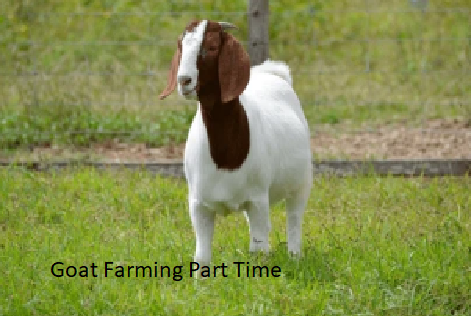
Entering the world of goat farming part time offers a unique balance between hobbyist satisfaction and secondary income generation. Many people start with just two or three animals to manage their own land, only to find that the demand for goat products—ranging from milk and cheese to fiber and brush management—can sustain a modest business.
Understanding the time commitment and infrastructure requirements is essential before you purchase your first kid. This article provides the foundational knowledge needed to transition from an interested enthusiast to a functional, small-scale producer without needing to abandon your primary career or lifestyle.
The financial potential of goat farming part time varies significantly depending on your chosen niche. Most small-scale operators generate between $500 and $2,000 in net profit annually per milking doe, though this figure excludes the initial capital investment in housing and fencing.
If you focus on brush clearing or “rent-a-goat” services, you can charge between $400 and $800 per acre for a herd of 10 to 15 goats to graze a site for a week. Selling kids for meat or breeding stock remains the most common entry point, with weaned wethers (castrated males) often fetching between $150 and $250 depending on the local market and breed quality.
Infrastructure Requirements for Small Herds
You do not need a commercial-scale facility to manage a goat farming part time operation effectively. The most critical investment is high-quality, predator-proof fencing.
Goats are notorious escape artists and are susceptible to coyotes and stray dogs, so using heavy-duty woven wire at least 48 inches high is standard practice. Avoid standard barbed wire, as it can snag their hair and cause injuries or allow them to squeeze through.
Housing requirements are relatively simple, as goats prioritize dry, draft-free spaces over elaborate construction. A three-sided shed facing away from prevailing winds provides adequate shelter for most climates.
You should aim for at least 12 to 15 square feet of interior space per adult goat to prevent overcrowding and reduce the risk of respiratory issues. Elevating the floor with pallets or wood shavings helps keep the animals dry during rainy seasons.
Managing Time and Daily Commitments
A major advantage of goat farming part time is the ability to structure chores around a standard work schedule. Morning and evening routines are essential, typically involving a quick health check, feeding, and water trough inspection.
This usually takes about 30 to 45 minutes twice a day for a herd of fewer than 10 goats. You must also account for a weekly “deep clean” of the barn, which can take an hour or two depending on your bedding management strategy.
Automation can significantly reduce the daily labor required for a small herd. Installing automatic waterers connected to a reliable plumbing source eliminates the need for manual bucket filling.
Similarly, using large-capacity hay feeders allows you to fill up once every two or three days rather than twice daily. These small efficiency gains are what make balancing a full-time job with livestock management sustainable over the long term.
Selecting the Right Breed
Choosing a breed should be dictated by your specific goals rather than aesthetic preference. If your primary interest is milk production, breeds such as Nubians or Alpines are industry standards for their high output and rich butterfat content.
For those interested in fiber, Angora or Cashmere goats require more grooming and shearing labor but offer a high-value product. Boer goats are the primary choice for meat production due to their rapid growth rates and muscular builds.
| Breed Goal | Typical Weight (Adult) | Primary Benefit |
| :— | :— | :— |
| Dairy (Nubian) | 135–175 lbs | High milk volume |
| Meat (Boer) | 150–250 lbs | Fast weight gain |
| Fiber (Angora) | 80–120 lbs | Mohair production |
| Miniature (Nigerian Dwarf) | 50–75 lbs | Easy handling/milk |
Health and Veterinary Basics
Maintaining a healthy herd is the most significant recurring cost in goat farming part time. You must establish a relationship with a local large-animal veterinarian before an emergency arises, as many standard clinics do not treat goats.
Routine care includes periodic hoof trimming every 6 to 8 weeks and monitoring for internal parasites. Parasite resistance is a major challenge, so rotating your grazing pastures is a necessary management tool to keep fecal egg counts low.
Vaccination schedules are generally straightforward but vary by region. Most owners implement a core protocol that includes protection against Enterotoxemia and Tetanus, commonly referred to as the CD&T vaccine.
You should also keep a basic medical kit on hand that includes antiseptic spray, electrolyte powder, a digital thermometer, and a drenching syringe. For detailed guidance on specific health protocols, consult the resources provided by the eXtension Foundation, which offers research-based agricultural information.
Marketing Your Goat Products
Even if you are only farming part time, you need a strategy for moving your surplus. If you produce milk, check your local state laws regarding raw milk sales, as regulations vary wildly across the country.
Many small farmers find success by focusing on value-added products like soap or lotion, which have a much longer shelf life than raw milk. These products can often be sold at local farmers’ markets or through social media platforms with minimal overhead.
If you are raising meat goats, the most profitable route is typically direct-to-consumer sales. Selling “on the hoof” to families who want to process the animal themselves is common in many ethnic markets.
Ensure you are familiar with the legal requirements in your state for selling live animals versus processed meat, as the latter usually requires USDA-inspected slaughterhouse facilities. Building a relationship with repeat customers is the most effective way to lower your marketing costs.
Budgeting for Feed and Forage
Feed costs are the most significant variable expense in your monthly budget. While goats are browsers rather than grazers, they still require high-quality hay during the winter months or when pasture quality declines.
A single goat will consume roughly 2 to 4 pounds of hay per day depending on its size and stage of lactation. You can reduce these costs by sourcing hay in bulk directly from local farmers during the harvest season.
Supplementing with grain is often necessary for milking does or growing kids, but it should be done carefully to avoid metabolic issues. Avoid giving cattle feed to goats, as many commercial cattle feeds contain urea, which is toxic to small ruminants.
Always prioritize a loose mineral mix specifically formulated for goats to prevent deficiencies in copper, selenium, and zinc. Keep these minerals in a dry location where the goats can access them at will.
Common Mistakes to Avoid
Many beginners enter the industry by buying the cheapest goats available, which is often a recipe for financial loss. Always purchase from reputable breeders who can provide health records and information on the animal’s lineage.
Avoid buying goats from sale barns unless you have extensive experience identifying health issues, as these animals are often stressed and exposed to multiple diseases. Starting with two or three healthy, registered animals is far superior to starting with ten low-quality ones.
Another frequent error is underestimating the importance of biosecurity. Bringing new animals into your herd without a quarantine period of at least 30 days can expose your existing stock to illnesses like Caseous Lymphadenitis (CL) or Caprine Arthritis Encephalitis (CAE).
Always keep new arrivals in a separate area, ideally out of sight and smell of your main herd. This simple step can save you thousands of dollars in potential veterinary bills and lost production.
Frequently Asked Questions
How much money can a part-time goat farmer realistically make?
Profitability depends heavily on your production niche. A hobbyist with three milking does might clear $1,500 to $3,000 annually after feed and vet costs, whereas someone focusing on meat production might see higher gross revenues but lower profit margins per animal due to the volume required.
Is it possible to manage goats while working a full-time job?
Yes, provided you have reliable infrastructure like automatic waterers and secure, predator-proof fencing. Most part-time farmers spend about one hour a day on routine chores, making it highly compatible with a standard 9-to-5 schedule if the farm is located on your property.
How long does it take for a herd to clear an acre of brush?
A herd of 10 to 12 adult goats can clear an acre of dense, overgrown brush in approximately 7 to 10 days. This rate will vary based on the density of the vegetation and whether the goats are being rotated through smaller paddocks to maximize their browsing impact.
What is the typical cost for a pair of starter goats?
A pair of healthy, weaned, non-registered dairy or meat goat kids usually costs between $300 and $500. Prices will be significantly higher for registered breeding stock or animals with champion bloodlines, while unregistered “grade” goats can often be found for less.
Do I need a large amount of land to start?
You do not need vast acreage to start goat farming part time. Goats are efficient browsers and can thrive on as little as one-quarter to one-half acre if you supplement their diet with hay and manage their grazing area carefully to prevent overgrazing and parasite buildup.
Conclusion
Starting your journey into goat farming part time requires a blend of practical preparation and a willingness to learn on the job. By focusing on high-quality infrastructure, choosing the right breed for your specific goals, and maintaining a strict health protocol, you can create a sustainable operation that fits into your existing lifestyle. While the work is consistent, the rewards of managing your own livestock and producing your own goods are significant.
Start small, track your expenses closely, and focus on building a healthy herd before attempting to scale your operation. With patience and attention to detail, you will soon find that the benefits of your small-scale farm far outweigh the challenges of the daily routine.
