

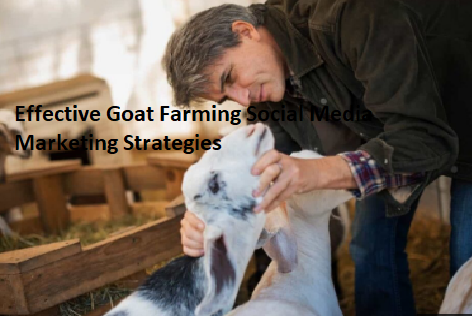
Effective goat farming social media marketing allows small-scale producers to bypass traditional middlemen and sell directly to consumers at premium prices. By showcasing the transparency of your operation and the quality of your livestock, you build a loyal customer base that values farm-to-table traceability.
This approach transforms a traditional agricultural business into a modern brand, helping you secure higher margins for your meat, dairy, or fiber products. Whether you are managing a small herd of dairy goats or running a large commercial operation, these digital strategies provide the visibility necessary to thrive in a competitive market.
Defining Your Market Position
The most critical factor in goat farming social media marketing is identifying exactly who your customer is before you post your first photo. Are you selling raw milk for pet consumption, artisanal goat cheese, or show-quality breeding stock?
Each of these niches requires a distinct visual language and tone of voice to attract the right buyers. For example, breeders should focus on genetic lineage and show results, while food producers should emphasize cleanliness and animal welfare.
Targeting your audience effectively means knowing where they spend their time online. Instagram is the primary hub for visual storytelling, while Facebook groups remain the most effective space for peer-to-peer sales and community networking.
TikTok has recently emerged as a powerful tool for reaching younger, urban demographics interested in homesteading and sustainable agriculture. Don’t try to be everywhere at once; pick one or two platforms where your ideal customer is most active.
Visual Storytelling and Farm Authenticity
People buy from people, not faceless entities. Your social media presence should prioritize high-quality, authentic imagery that shows the daily life of your goats.
Potential customers want to see clean pens, healthy animals, and the actual farmers behind the operation. Avoid overly polished or stock photography, as it can make your farm look like a corporate entity rather than a local producer.
Use video to bridge the gap between the pasture and the consumer’s screen. A quick, 30-second clip of a newborn kid or a time-lapse of the milking process creates an emotional connection that static images cannot replicate.
Mention the specific breeds you raise, such as Nubians for milk fat content or Boers for meat yield, as this adds technical credibility to your brand. Authenticity builds the trust required for customers to feel comfortable buying food products directly from your farm.
Leveraging Educational Content
Educational content serves as a high-value asset in your marketing strategy. By teaching your followers about the nuances of goat care, you position yourself as an authority in the industry.
This builds long-term brand equity and makes people more likely to purchase from you when they need products. Explain why you choose specific feed types or how you manage parasite control using organic methods.
Consider creating content that addresses common misconceptions about goat products. Many consumers are curious about the taste of goat milk or the health benefits of goat meat compared to beef.
Providing these answers in a clear, accessible format helps remove barriers to purchasing. You can find excellent resources on livestock management through the eXtension Foundation to ensure your educational posts are backed by verified agricultural science.
Structuring a Content Calendar
Consistency is the bedrock of any successful social media strategy. You should aim to post at least three times per week to keep your farm in the minds of your followers.
Use a scheduling tool to batch your content creation during slower times of the week, such as rainy days or evenings. This prevents the “all or nothing” cycle that often leads to burnout for busy farmers.
Your content mix should follow a balanced ratio to keep engagement high. Aim for a structure that rotates between educational tips, behind-the-scenes farm updates, and direct sales posts.
This ensures you aren’t constantly “selling” to your audience, which can lead to unfollows. Use the following table to organize your weekly output and track your engagement goals.
| Post Type | Goal | Frequency |
|---|---|---|
| Educational | Build Authority | 1x per week |
| Behind-the-Scenes | Build Trust | 2x per week |
| Direct Sales | Drive Revenue | 1x per week |
Engaging with Local Communities
Social media is a two-way street, and your engagement levels often dictate your reach. Respond to every comment on your posts, even if it is just an emoji or a short thank you.
When followers feel heard, they are more likely to share your content with their own networks, effectively acting as free brand ambassadors. Join local community groups on Facebook that focus on homesteading, gardening, or local food systems.
Do not just post your sales links in these groups. Instead, contribute value by answering questions from others and participating in local discussions.
If you are known as a helpful member of the community first, people will naturally gravitate toward your farm when they are looking for local products. This organic networking is far more effective than paid advertisements for small, community-focused farms.
Utilizing Influencer Partnerships
You don’t need a massive budget to work with influencers. Look for local food bloggers, chefs, or homesteading enthusiasts who have a small but highly engaged following in your region.
Offer them a free sample of your product or invite them to the farm for a tour in exchange for a shout-out. These micro-influencers often have much higher conversion rates than massive celebrities because their followers trust their specific, local recommendations.
Ensure that any influencer you partner with aligns with your brand values. If you pride yourself on pasture-raised, non-GMO practices, avoid partnering with someone who promotes industrial agriculture.
A bad fit can alienate your existing audience and dilute your message. When done correctly, this strategy provides social proof that your products meet high standards of quality and taste.
Managing Sales and Logistics
Social media is a lead generation tool, but you need a system to handle the actual transactions. Use clear calls to action (CTAs) in your posts, such as “DM to order” or “Click the link in bio for our current harvest list.”
Make the buying process as simple as possible. If a customer has to jump through too many hoops, they will likely give up and buy from a grocery store instead.
Consider using a simple online ordering form or a dedicated farm management app to track inventory. Keeping your followers updated on stock levels is crucial for managing expectations.
For example, if you are selling seasonal cheese or meat cuts, post regular “low stock” updates to create a sense of urgency. This encourages followers to act quickly rather than waiting until the product is sold out.
Tracking Performance Metrics
You cannot improve what you do not measure. Review your platform insights once a month to see which types of posts receive the most interaction.
Look for patterns in the time of day you post, the types of images used, and the language that triggers the most comments. If videos of your milking parlor perform better than photos of the finished product, shift your strategy to favor video content.
Pay attention to your “save” and “share” counts, as these indicate that your content is truly valuable to the reader. Likes are nice, but shares are what expand your reach to new potential customers.
If a post performs exceptionally well, consider putting a small amount of money behind it as a “boosted post” to reach a wider geographic radius. Use the following checklist to evaluate your performance at the end of each month.
- Total follower growth across all active platforms
- Average engagement rate per post (likes + comments / total followers)
- Number of direct messages resulting in a sale
- Most popular post topic by engagement volume
- Percentage of new customers who found the farm via social media
Common Questions About Farm Marketing
How do I handle negative comments on my farm page?
Address negative feedback professionally and publicly, then move the conversation to private messages. If a customer has a legitimate complaint, offer a refund or replacement immediately to show that you stand behind your product. Avoid getting into defensive arguments, as this reflects poorly on your business professionalism.
Should I use paid ads for my goat farm?
Paid ads can be effective, but only after you have established a solid organic foundation. Start with a small budget of $5 to $10 per day targeting people within a 20-mile radius of your farm. Focus your ads on specific seasonal events, such as the availability of fresh holiday cheese or seasonal meat bundles.
What is the best way to film on a farm?
You do not need professional equipment; a modern smartphone is sufficient. Focus on good lighting by filming during the “golden hour” in the early morning or late afternoon. Keep your lens clean, use a steady hand, and ensure your audio is clear if you are explaining a process.
How do I balance farm work with social media?
Batch your content creation during your slowest hours. Take photos and videos while you are already doing your chores so that you are not adding extra time to your day. Use scheduling apps to space out your posts so that your presence remains active even when you are busy in the field.
Why is goat farming social media marketing better than traditional advertising?
Traditional advertising is expensive and often reaches a broad, uninterested audience. Social media allows you to target local customers who specifically care about where their food comes from. This builds a direct, high-margin relationship that is immune to the price fluctuations of large, wholesale commodity markets.
Conclusion
Success in this field requires a blend of agricultural expertise and digital consistency. By focusing on authentic storytelling and genuine community engagement, you can transform your farm into a recognizable local brand. Remember that your followers are looking for transparency and quality, so keep your content grounded in the reality of your daily operations.
Start by choosing one platform, posting consistently, and listening to the feedback your customers provide. As your online presence grows, your direct-to-consumer sales will follow, providing a more stable and profitable future for your goat farming business. Integrating these goat farming social media marketing practices now will set you apart from competitors who rely solely on traditional, lower-margin sales channels.
