

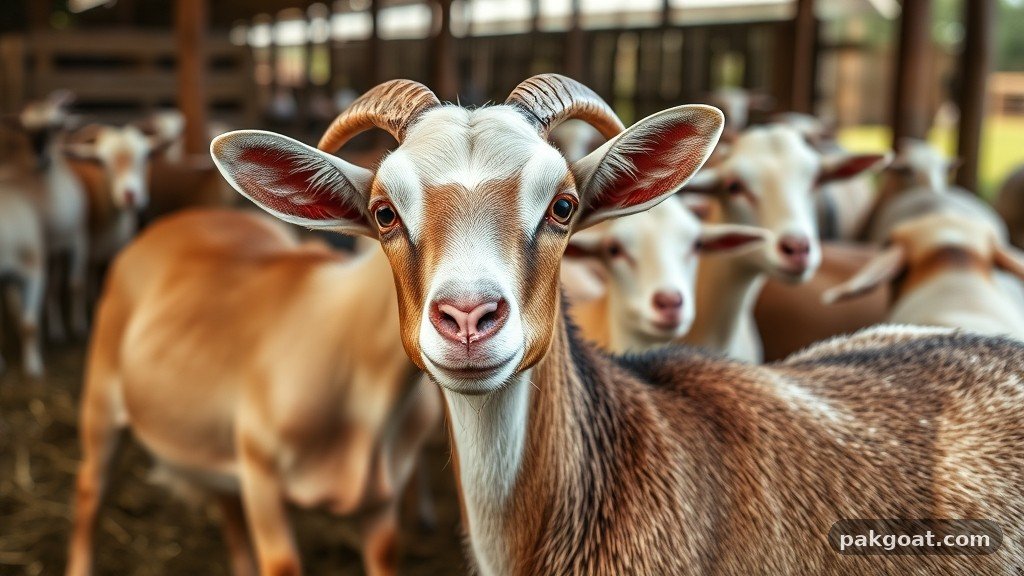
Implementing effective goat farming tips is the cornerstone of building a resilient and profitable livestock operation. Whether you are managing a small homestead or scaling up to a commercial enterprise, understanding the specific biological needs and behavioral patterns of your herd will significantly improve your outcomes. These practices help owners avoid common pitfalls like parasite infestations, nutritional deficiencies, and inadequate fencing, which remain the primary causes of failure for new producers.
By focusing on preventative health, smart land management, and consistent record-keeping, you can transform a challenging hobby into a highly efficient agricultural business. Learning these foundational strategies early on ensures that you spend less time troubleshooting and more time optimizing your production cycles.
The most critical factor in successful animal husbandry is establishing a strict preventative health protocol. Goats are highly susceptible to internal parasites, particularly the barber pole worm, which can devastate a herd in a matter of weeks. You must implement a rotational grazing schedule to break the life cycle of these parasites, ensuring that goats do not graze on the same patch of grass more than once every three to four weeks.
Frequent fecal egg counts are essential to determine if your deworming strategy is working or if you are contributing to drug-resistant parasite populations. Always consult with a local veterinarian to develop a vaccination plan tailored to your specific region, as soil composition and climate dictate the prevalence of diseases like enterotoxemia and tetanus.
Housing requirements should prioritize ventilation and dryness over insulation, as goats are extremely prone to respiratory issues in humid environments. A three-sided shelter facing away from prevailing winds is often sufficient for most climates, provided the floor remains elevated or deeply bedded with clean straw. Overcrowding is a frequent mistake that leads to increased stress and the rapid spread of contagious infections like pneumonia or foot rot.
You should allocate at least 15 square feet of indoor space per adult goat, though more is always better to allow for hierarchical movement within the herd. Keeping the barn clean and dry significantly reduces the incidence of hoof problems, which are notoriously difficult to treat once they become chronic.
Nutrition represents the largest ongoing expense in your budget, and mastering feed management is one of the most impactful goat farming tips you can apply. Goats are browsers, not grazers, meaning they prefer to eat weeds, brush, and tall grasses rather than short pasture. Providing a high-quality mineral supplement specifically formulated for goats is non-negotiable, as standard cattle or sheep minerals may lack the necessary copper levels required for healthy coat development and fertility.
You should ensure constant access to fresh, clean water, as even a slight drop in water intake will immediately result in reduced milk production or slower weight gain. During winter months or periods of drought, you must have a reliable source of high-quality hay or silage to fill the nutritional gap.
Fencing is the most significant infrastructure investment, as goats are notorious escape artists that view any barrier as a challenge rather than a boundary. Woven wire fencing with small square openings is the industry standard, as it prevents goats from getting their heads stuck or climbing over the top. If you use electric fencing, you need at least four strands with a high-tensile wire, ensuring the power source is strong enough to deliver a sharp deterrent.
Never rely on barbed wire for goats, as it can cause severe injuries to their hides and udders, leading to costly veterinary bills and reduced animal value. A well-constructed fence also serves as your primary defense against predators like coyotes and stray dogs, which can decimate a herd overnight.
Profitability in this sector requires a clear understanding of your target market and the specific breed traits that align with your goals. Dairy breeds like Nubians or Alpines require labor-intensive milking schedules twice daily, whereas meat breeds like Kiko or Boer goats offer a lower-maintenance model focused on weight gain. You should keep meticulous records of every animal, tracking birth weights, growth rates, and medical history to identify your most productive lines for breeding.
This data-driven approach allows you to cull underperforming animals that drain resources without providing a return on investment. The following table provides a general comparison of common production models to help you identify which path suits your available land and labor capacity.
| Production Model | Primary Revenue Source | Labor Intensity | Infrastructure Needs |
|---|---|---|---|
| Dairy Production | Milk, cheese, yogurt | Very High | Milking parlor, cooling unit |
| Meat Production | Live kids, chevon | Moderate | Fencing, pasture, scales |
| Fiber Production | Mohair, cashmere | Low to Moderate | Shearing equipment, shelter |
| Brush Clearing | Service fees per acre | High (Transport) | Portable fencing, trailer |
Managing your land effectively is essential for long-term sustainability, as goats can overgraze a property to the point of permanent soil degradation if left unchecked. You can utilize goats for targeted vegetation control to clear invasive species like multiflora rose or kudzu, which provides a secondary income stream in some regions. To maintain soil health, consider integrating other livestock or rotating the goats with cattle, as different species consume different types of forage and help manage parasite loads.
Always monitor the vegetation height; if the goats have eaten the grass down to the roots, it is time to move them to a fresh paddock. For detailed information on sustainable grazing practices, you can refer to the resources provided by the Natural Resources Conservation Service.
Record-keeping is the backbone of any professional operation, helping you move beyond guesswork and into precision management. You should maintain a ledger or digital database that documents every breeding date, expected kidding date, and medication administration. This allows you to predict your cash flow and prepare for the peak expenses associated with kidding season, such as supplemental feed and veterinary supplies.
Consistent tracking also helps you identify patterns, such as which does consistently produce twins or which bucks sire the fastest-growing kids. Being organized in your documentation is one of the most overlooked goat farming tips, yet it is the primary differentiator between hobbyists and successful producers.
- Ear tagging every animal for individual identification at birth.
- Maintaining a clean, dry, and draft-free kidding stall for deliveries.
- Scheduling annual hoof trimming to prevent lameness and infections.
- Keeping a comprehensive medical kit with antiseptic, thermometer, and electrolytes.
- Regularly weighing animals to monitor growth and calculate accurate dewormer dosages.
- Establishing a relationship with a large-animal veterinarian before an emergency occurs.
Frequently Asked Questions
What is the most difficult thing about raising goats?
The most challenging aspect is managing internal parasites, which can quickly become resistant to standard treatments. Maintaining a strict pasture rotation schedule and using targeted, rather than blanket, deworming strategies is necessary to keep your herd healthy.
How many acres do you need to raise 100 goats?
While stocking rates depend heavily on forage quality and rainfall, a common rule of thumb is between 5 to 10 goats per acre of well-managed pasture. For 100 goats, you would ideally need at least 10 to 20 acres to prevent overgrazing and allow for effective rotational paddock systems.
How do you make money on a goat farm?
Revenue is typically generated through the sale of live animals for meat, milk products like artisanal cheese, or fiber. Some farmers also generate income by offering brush-clearing services to landowners who need to manage invasive plant species on difficult terrain.
How fast can 10 goats clear an acre?
Ten mature goats can clear an acre of heavy brush or invasive weeds in approximately 7 to 14 days, depending on the density of the vegetation. They are exceptionally efficient at stripping bark and consuming woody stems that other livestock ignore, making them superior to mechanical clearing methods.
Do goats require a lot of daily maintenance?
Goats are relatively hardy animals, but they do require daily observation to ensure they are healthy, fed, and secure. If you are producing milk, the labor commitment is significantly higher, requiring twice-daily milking and strict cleaning protocols for sanitation.
Successfully managing a herd requires a commitment to constant learning and adaptation based on the specific needs of your animals. By focusing on your fencing quality, nutritional management, and strict parasite control, you can build a productive operation that stands the test of time. Remember that the most effective goat farming tips involve proactive health monitoring and detailed record-keeping rather than reactive fixes.
Start small to master the basics of animal behavior and land management before scaling your herd size. As you gain experience, you will find that a well-managed farm provides not only a source of income but a deeply rewarding connection to your land and livestock. Stay consistent with your daily routines, keep your equipment in good repair, and your herd will thrive for years to come.
