

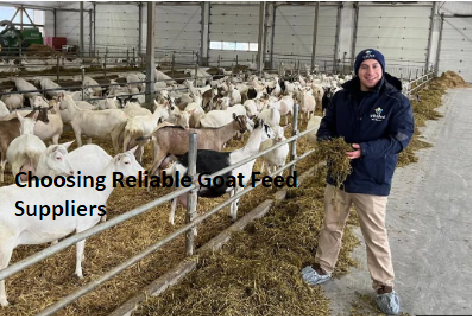
Finding reliable goat feed suppliers is the cornerstone of maintaining a healthy, productive herd. Whether you are raising dairy goats for milk production or managing a small meat goat operation, the nutritional profile of your feed directly impacts growth rates, reproductive success, and overall longevity. Many beginners struggle to distinguish between generic farm store options and specialized nutrition programs designed for specific life stages.
This article provides the clarity needed to evaluate your options and secure consistent, high-quality nutrition for your animals. Understanding how to source the right ingredients will help you optimize your budget while ensuring your goats receive the essential minerals and vitamins required for their well-being.
The average cost of a 50-pound bag of high-quality goat feed generally ranges between $16 and $24 in the United States, depending on the protein content and ingredient sourcing. Premium, non-GMO, or organic feed options often climb to $28 or more per bag due to specialized milling and supply chain certifications. For those purchasing in bulk, buying by the ton can reduce these costs by 15% to 20% compared to single-bag retail prices.
You should expect to pay a premium for feeds that include added ammonium chloride, which is critical for preventing urinary calculi in male goats. Always verify the current market pricing with local mills, as transportation costs and regional grain availability can cause significant price fluctuations month to month.
Evaluating Nutritional Requirements
Before contacting various goat feed suppliers, you must define the nutritional profile your herd requires. Goats are ruminants with complex digestive systems that thrive on a balance of forage, energy, and protein.
A standard maintenance ration for a dry doe differs significantly from the high-energy requirements of a lactating dairy goat. You should look for suppliers who provide a clear nutritional breakdown including crude protein, crude fiber, and crude fat percentages on their product labels.
Most commercial feeds are formulated for specific life stages, such as kid starter, grower, or lactation rations. If a supplier cannot tell you the exact source of their protein, such as soybean meal or alfalfa, you should look elsewhere.
High-quality feed often includes a balanced mineral package specifically designed for goats, which is distinct from sheep feed. Sheep feed containing copper can be toxic to goats, so ensuring your supplier offers species-specific products is a non-negotiable safety requirement.
The Role of Forage and Roughage
While concentrate feed is important, your primary focus should be sourcing high-quality forage. Excellent goat feed suppliers often provide, or at least partner with, producers of high-quality hay or alfalfa.
Goats are browsers by nature and require long-stemmed fiber to maintain proper rumen function. If your supplier only offers pelleted feed, you will need a secondary source for high-quality hay or baleage to prevent digestive issues.
Alfalfa is widely considered the gold standard for dairy goats due to its high protein and calcium content. However, for dry does or wethers, a grass-hay mix is often more appropriate to prevent excessive weight gain and mineral imbalances.
When evaluating hay, look for color, smell, and the absence of mold or excessive dust. Suppliers who provide a forage analysis, including the Relative Feed Value (RFV), are significantly more valuable than those who simply sell hay by the bale.
Bulk Purchasing and Storage Strategies
Buying in bulk is the most effective way to lower your feed costs over time. Many regional feed mills offer discounts for orders of one ton or more.
If you have the storage space, investing in a dry, rodent-proof grain bin will allow you to take advantage of these bulk prices. Improper storage is the leading cause of feed spoilage, which leads to wasted money and potential health risks for your goats.
Humidity and temperature control are essential for maintaining the integrity of stored grain. If moisture enters your storage unit, mold growth can occur rapidly, producing mycotoxins that are harmful to goats.
Keep your feed off the ground by using wooden pallets and ensure the area is well-ventilated. If you are ordering bulk, establish a delivery schedule that aligns with your storage capacity to ensure you are always using the freshest possible product.
Identifying Quality Indicators
Not all feed is created equal, and it is vital to learn how to identify quality. A reputable supplier should be transparent about their milling process and ingredient sourcing.
You want to see consistent pellet size and minimal “fines” or dust at the bottom of the bag. Excessive dust often indicates that the binding agents are weak or the grain has been over-processed.
Check the tag for the inclusion of essential vitamins and minerals like Selenium and Vitamin E. These are often deficient in many regions of the United States, and a good feed will account for these local gaps.
If you notice your goats consistently leaving behind specific ingredients, the feed may lack palatability or contain fillers that your animals do not need. A knowledgeable supplier will be able to discuss these palatability issues and suggest alternatives that better suit the preferences of your herd.
Comparing Feed Suppliers
When you are narrowing down your list of potential providers, it helps to compare them based on specific criteria. The following table provides a breakdown of what to look for when choosing between a local mill, a large-scale agricultural retailer, and a specialized organic supplier.
| Supplier Type | Best For | Cost Efficiency | Customization |
|---|---|---|---|
| Local Feed Mill | Bulk orders & fresh mixes | High | High |
| Large Retailer | Emergency or small needs | Low | Low |
| Organic/Specialty | Niche market requirements | Very Low | Medium |
Building Relationships with Local Mills
Developing a strong rapport with a local mill owner can provide benefits that go beyond simple transactions. Local mills are often more willing to create custom grinds or mixes tailored to the specific needs of your farm.
If you have goats with specific health concerns, such as a need for higher copper levels in certain regions, a local miller can adjust the mineral packet accordingly. This level of service is rarely available through large, national chain suppliers.
Furthermore, local mills are often deeply connected to the regional agricultural community. They can provide recommendations for local veterinarians, hay producers, or other resources that are specific to your area.
When you prioritize local suppliers, you are also supporting the regional economy and reducing the carbon footprint associated with long-distance shipping. Regular communication with your miller ensures that you are the first to know about potential shortages or price hikes.
Logistics and Delivery Considerations
The convenience of delivery should be a significant factor in your decision-making process. If you do not have a truck and trailer capable of hauling a ton of feed, you are at the mercy of the supplier’s delivery schedule.
Ask about the minimum order size for free or reduced-rate delivery. Some suppliers charge a flat fee, while others incorporate delivery costs into the price per bag.
Ensure that the delivery vehicle can access your storage area without causing damage to your property. If you have a long, unpaved driveway, discuss weather-related delivery limitations in advance.
Reliability is just as important as cost; if your supplier is consistently late, you risk running out of feed, which can disrupt the rumen health of your goats. Consistent, on-time delivery is a sign of a professional operation that respects your time and your business.
Common Questions About Goat Nutrition
What is the most important ingredient to check for on a feed tag?
The most important element is the balance of protein and fiber, but you should specifically look for the inclusion of a goat-specific mineral package. Ensure the tag does not list sheep-safe levels of copper if you are exclusively feeding goats, as they require higher copper levels than sheep to thrive.
How often should I rotate my goat feed?
You do not necessarily need to rotate feed brands, but you should adjust the type of feed based on the life stage of the goat. For example, a lactating doe needs a higher protein content than a dry doe. Always transition your goats to a new feed gradually over 7 to 10 days to prevent digestive upset.
Can I use cow or horse feed for my goats?
It is generally discouraged to use feed formulated for other species. Cow and horse feeds often lack the specific mineral balances, particularly regarding copper and selenium, that goats need. Using improper feed can lead to long-term health issues like poor coat condition, reproductive failure, or urinary calculi.
Is organic feed worth the extra cost?
Organic feed is worth the investment if you are marketing your goat milk or meat as organic to consumers. If you are raising goats for personal use, the decision depends on your personal philosophy regarding pesticide exposure and GMOs. The health benefits are primarily tied to the quality of the ingredients rather than the “organic” label itself.
Where can I find reputable information on goat nutrition?
You should refer to resources from university extension programs or official agricultural bodies for the most accurate, science-based nutritional advice. The University of Arkansas System Division of Agriculture provides excellent, publicly available research on small ruminant management.
Ensuring Long-Term Herd Success
Maintaining a healthy herd requires more than just high-quality genetics; it requires a commitment to consistent, science-backed nutrition. By selecting your goat feed suppliers carefully, you gain a partner in the health and productivity of your animals. Whether you prioritize bulk cost savings or specialized, local custom mixes, the key is to remain engaged with your supplier and monitor your goats’ response to their feed.
Keep records of your feed costs and your herd’s performance to determine what works best for your specific operation. As you grow your experience, you will find that the time spent vetting your supply chain pays dividends in the form of healthier, more productive goats. Start by evaluating your current nutritional program and reach out to local mills to discuss your options for the upcoming season.
