

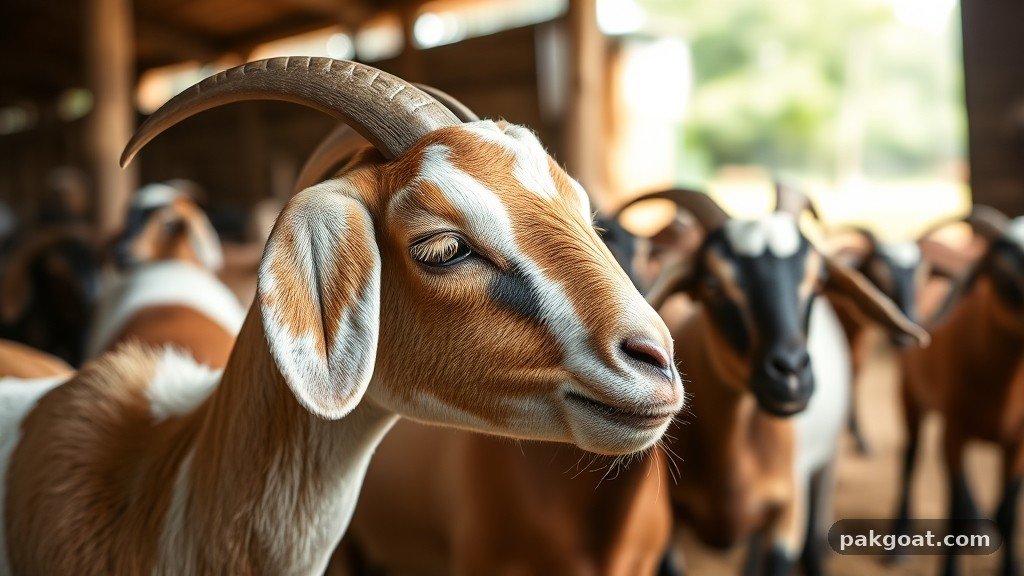
Effective goat husbandry practices require a blend of traditional animal care and modern veterinary standards to ensure herd health and productivity. By focusing on nutritional management, preventative health, and proper housing, producers can significantly reduce mortality rates and improve the quality of milk or meat production.
Understanding the biological needs of your caprine stock is the first step toward building a sustainable and profitable farming operation. Whether you are managing a small homestead herd or a larger commercial enterprise, prioritizing these fundamental care routines will yield consistent results year over year.
The primary cause of death in goats is often attributed to parasitic infections, specifically Haemonchus contortus or barber’s pole worm. These internal parasites thrive in warm, humid conditions and can cause severe anemia in a matter of weeks. Producers must implement a strict deworming rotation and fecal egg count monitoring to mitigate this risk.
Beyond parasites, respiratory issues and enterotoxemia are common culprits that require consistent vaccination schedules to prevent. Maintaining a clean environment and ensuring adequate ventilation in barns are critical steps in reducing these mortality risks.
Nutritional Requirements and Dietary Management
Goats are naturally browsers rather than grazers, meaning they prefer to eat leaves, shrubs, and woody plants over short grass. Providing a high-quality diet is the cornerstone of successful goat husbandry practices, as it directly impacts immune function and growth rates.
A balanced diet should consist primarily of high-quality forage, such as alfalfa or orchard grass hay, supplemented by minerals specifically formulated for goats. Unlike sheep, goats require higher levels of copper, which is essential for their coat health and reproductive success.
Water quality is just as important as feed quality. Goats are notoriously picky drinkers and will often refuse to consume water that has been contaminated with debris, algae, or manure.
You should provide fresh, clean water daily, ideally in elevated troughs that prevent the animals from standing in the water source. During the winter months, using a heated water bucket can prevent freezing and encourage consistent hydration, which is vital for preventing urinary calculi in bucks.
Shelter and Housing Requirements
Shelter design for goats needs to focus on dryness and ventilation rather than extreme heat. Goats are susceptible to pneumonia when exposed to damp, drafty conditions, even if the temperature is relatively mild.
A three-sided structure facing away from the prevailing winds is often sufficient for most climates. The roof must be watertight, and the floor should be raised or well-drained to prevent mud accumulation, which harbors bacteria.
Bedding management is an essential component of sanitation. Straw or wood shavings are common choices, but they must be kept dry to prevent the buildup of ammonia. If you use a deep-litter system, add fresh bedding frequently to keep the surface layer clean and dry.
Overcrowding is another major stressor that leads to fighting and the spread of illness. Ensure each adult goat has at least 15 to 20 square feet of indoor space to minimize social friction and maximize comfort.
Preventative Healthcare and Vaccination
A proactive approach to medicine is far more effective than trying to treat sick animals after an outbreak occurs. You should establish a relationship with a large-animal veterinarian who can help create a customized health calendar for your herd.
Most operations rely on a core set of vaccines, including the CD&T vaccine, which protects against Clostridium perfringens types C and D and tetanus. This is typically administered as a primary dose followed by an annual booster to ensure long-term immunity.
Routine maintenance tasks like hoof trimming are also critical for long-term soundness. Goats kept on soft ground or in stalls will not wear their hooves down naturally, leading to overgrowth and lameness.
You should inspect hooves at least every 8 to 12 weeks and trim them using sharp hoof shears. If you notice a foul odor or discharge during trimming, this may indicate foot rot, which requires immediate treatment with antiseptic sprays and potential isolation from the rest of the herd to prevent transmission.
Managing Reproduction and Breeding Cycles
Successful breeding programs rely on tracking the estrus cycle, which typically lasts for 18 to 21 days in healthy does. Goats are seasonal breeders, often triggered by the shortening day length in the autumn months.
To optimize your kidding schedule, you might consider using artificial light protocols or hormonal synchronization if you require kids during specific windows for market demand. Always keep detailed records of breeding dates to accurately predict kidding times and prepare for the arrival of the kids.
When the doe is pregnant, her nutritional needs increase significantly, particularly in the final trimester. This is when the fetus grows most rapidly, requiring higher protein and energy intake to prevent pregnancy toxemia.
You should monitor the doe’s body condition score regularly to ensure she is neither too thin nor overly fat. A body condition score of 3 out of 5 is generally ideal for maintaining health throughout the gestation period.
Common Equipment and Infrastructure
Investing in the right equipment will save you significant time and physical labor over the life of your farm. A sturdy, goat-proof fence is perhaps the most important asset you will purchase, as goats are excellent climbers and escape artists.
Woven wire fencing with small openings is highly recommended, as it prevents the animals from getting their heads stuck or jumping over the barrier. Electric fencing can be used as an additional deterrent if you are managing pasture rotation, but it must be properly grounded to be effective.
The following table outlines the essential equipment categories for a standard goat operation:
| Equipment Item | Primary Purpose | Maintenance Frequency |
|---|---|---|
| Hoof Trimmers | Preventing lameness/infection | Every 2-3 months |
| Mineral Feeder | Delivering copper and trace minerals | Refill as needed |
| Vaccine Coolers | Maintaining medicine potency | Always use during administration |
| Weigh Scale | Monitoring growth and dosage | Monthly for kids |
Pasture Management and Rotational Grazing
Rotational grazing is the gold standard for parasite control and land health. By dividing your property into smaller paddocks, you can move the goats frequently, allowing the vegetation to recover and breaking the life cycle of intestinal parasites.
When goats are moved to a fresh paddock every 5 to 7 days, they are less likely to ingest worm larvae that have migrated up the blades of grass. This practice also helps maintain a diverse plant ecosystem, as goats will target different weeds and woody species throughout the season.
You should always be aware of the toxic plants in your region. Many common ornamental plants and shrubs are poisonous to goats, including rhododendrons, azaleas, and wild cherry trees.
Walk your perimeter and your interior paddocks to identify and remove any dangerous vegetation before turning the herd out. If you suspect an animal has ingested a toxic plant, contact your veterinarian immediately, as rapid intervention is often the difference between recovery and loss.
Handling and Behavioral Considerations
Goats are highly social, intelligent animals that thrive in established hierarchies. Understanding their behavior is essential for low-stress handling, which improves the quality of the milk and meat produced.
Never isolate a goat unless it is necessary for medical reasons, as they can become anxious and depressed when separated from their herd mates. If you must move a goat, try to keep a companion nearby to keep them calm and cooperative during the procedure.
The following list highlights key behavioral traits every producer should note:
- Goats are highly inquisitive and will investigate new objects by nibbling or chewing them.
- They have a strong “flight zone” and will move away from pressure; learning to use this zone makes herding much easier.
- Vocalizations, such as bleating, are often signs of social distress or a request for food.
- They prefer to sleep in elevated, dry areas and will avoid wet ground whenever possible.
- Goats establish a clear pecking order, which is usually determined by age and size.
Frequently Asked Questions
What is the role of baking soda in a goat’s diet?
Baking soda is a common supplement provided to goats as a free-choice mineral. It helps regulate rumen pH, which can prevent digestive upset if the goats consume too much grain or lush spring pasture. It is not a cure for severe bloat, but it acts as a preventative buffer for minor acidity issues.
How often should a buck be permitted to mate?
A mature, healthy buck can settle several does in a single day, but it is best to limit his workload to ensure high conception rates. In a managed breeding program, one buck can effectively service a group of 25 to 40 does over a breeding season. If the buck is too active, it can lead to physical exhaustion and reduced sperm quality.
What do goats need to be happy in their environment?
Goats need a mix of social interaction, challenging physical activity, and a secure environment. They are natural climbers and appreciate structures like wooden platforms or large stumps within their enclosure. Constant access to clean water, high-quality forage, and protection from the elements will ensure they remain healthy and content.
Is it necessary to disbud all goats?
Disbudding is the process of removing the horn buds in young kids to prevent horn growth. It is a management choice rather than a necessity, but it is often done to prevent injuries to other goats and the handlers. If you choose to keep horns, ensure you have enough space to prevent bullying and watch for entanglement in fencing.
Where can I find official resources on goat health?
For evidence-based information on livestock care, the USDA Animal and Plant Health Inspection Service provides extensive resources on disease prevention and national standards for animal welfare. Always check with your local agricultural extension office for region-specific advice regarding climate and common local health challenges.
Conclusion
Mastering the fundamentals of goat husbandry practices is a journey of continuous learning and observation. By paying close attention to your herd’s nutritional needs, maintaining a rigorous preventative health schedule, and providing a clean, safe environment, you set the foundation for a productive farming venture. Remember that each animal is an individual, and the best managers are those who spend time observing their herd’s natural habits.
Consistent care, paired with a willingness to adapt your methods based on the specific needs of your land, will ensure your goats thrive. Whether you are focused on sustainable milk production or simply enjoying the company of a well-managed herd, your dedication to these core practices will define your success. Take the time to build your infrastructure properly, and you will find that the rewards of goat farming are well worth the effort.
