

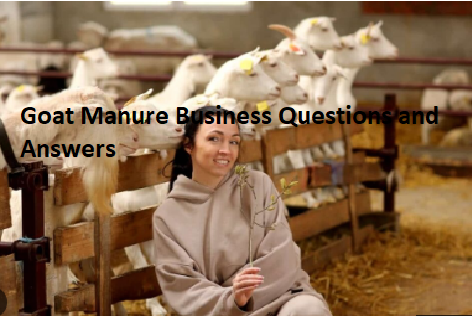
Understanding the logistics of a goat manure business questions and answers session requires looking at both the biological output of the animals and the market demand for organic soil amendments. Goat manure is widely considered a “cold” fertilizer, meaning it is less likely to burn delicate plants compared to poultry or horse waste.
For new entrepreneurs, the primary hurdle is moving from a small-scale farm setup to a commercial operation that processes and packages waste for retail. This article explores the specific operational, financial, and logistical details necessary to turn a farm byproduct into a reliable revenue stream.
Initial Production Estimates and Output
A single adult goat typically produces between 1.5 to 2.5 pounds of manure per day. When you account for bedding materials like straw, wood shavings, or hay waste, the total volume of “muck” generated increases significantly.
If you manage a herd of 50 goats, you are looking at roughly 75 to 125 pounds of raw material daily. Over a month, this equates to over 2,000 pounds of potential product.
You must track these numbers to understand your storage requirements and processing timelines. If you allow the manure to accumulate without a plan, it becomes a liability rather than an asset.
Proper management involves daily or weekly collection into a dedicated composting area. This keeps the barn clean and initiates the essential breakdown process required for high-quality fertilizer.
The Composting Process Requirements
Raw manure is rarely ready for immediate sale because it contains weed seeds and potential pathogens. You must age or compost the material to reach a temperature of at least 130 to 160 degrees Fahrenheit.
This heat kills harmful bacteria and neutralizes most weed seeds that pass through the goat’s digestive tract. The process usually takes between three to six months depending on your climate and turning frequency.
Turning the pile introduces oxygen, which accelerates the activity of aerobic bacteria. If you skip this step, the pile becomes anaerobic, leading to foul odors and poor-quality fertilizer.
Once the material is dark, crumbly, and smells like damp earth, it is ready for screening. Screening creates a uniform product that appeals to home gardeners and commercial landscapers alike.
Financial Viability and Market Pricing
Pricing strategies for organic fertilizers vary by region and packaging style. Bulk sales to local farmers are often the easiest way to move large volumes, but profit margins are slim.
You might sell a cubic yard of raw or aged manure for $20 to $40 in rural areas. Selling in smaller, branded bags to garden centers or direct-to-consumer allows for significantly higher margins.
A 20-pound bag of high-quality, screened goat manure compost can retail for $8 to $12 in urban markets. To calculate your potential revenue, you must subtract the costs of labor, bagging, transport, and marketing.
Many successful operators focus on the “organic” and “small-batch” labels to justify premium pricing. Diversifying your customer base between hobby gardeners and organic vegetable growers creates a more stable income stream.
Key Operational Challenges
The most common operational challenge is the physical labor involved in moving large quantities of material. You will need a tractor with a front-end loader or a high-capacity skid steer to handle the volume efficiently.
If you attempt to do this by hand, you will quickly find that the labor cost outweighs the profit. Additionally, you must manage the moisture content of your piles.
Excessive rain can leach nutrients out of your compost, while extreme dryness will stall the decomposition process. Many producers use a simple tarp system or a basic pole barn structure to keep piles protected from the elements.
You also need to consider your local environmental regulations regarding runoff. Contact your local Natural Resources Conservation Service office to understand the specific waste management guidelines for your state.
Comparison of Fertilizer Sources
Different animal manures offer different nutrient profiles, which affects how you market your product. Goat manure is often preferred by gardeners because it is easy to handle and has a relatively mild odor compared to pig or poultry waste. The following table highlights the general characteristics of popular organic fertilizers.
| Manure Type | Nitrogen Content | Common Use Case |
|---|---|---|
| Goat | Moderate | Garden beds, flowers |
| Poultry | High | Large-scale crops |
| Horse | Low | Soil conditioner |
| Cattle | Low/Medium | General composting |
Essential Assets for Scaling
Scaling your operation requires moving beyond manual tools to mechanized processing. You should plan for a multi-stage approach to manage your growth over the first three years. If you want to build a serious business, you need to invest in the right infrastructure early on.
- Screening Equipment: A trommel screen is the gold standard for creating a fine, uniform product that customers want.
- Storage Silos or Bays: Concrete bays help keep different stages of compost separated and organized.
- Bagging Station: An automated or semi-automated scale and heat sealer speeds up packaging significantly.
- Delivery Vehicle: A dump trailer or flatbed truck is necessary for large-scale distribution to local nurseries.
- Testing Kits: Regular N-P-K (Nitrogen, Phosphorus, Potassium) testing validates your product quality for commercial buyers.
Legal and Safety Considerations
Before selling your product, check the labeling laws in your state. Many jurisdictions require you to register as a fertilizer distributor if you make specific claims about nutrient content.
You must ensure your product is free from harmful levels of heavy metals, especially if your goats are fed commercially processed feed. Proper record-keeping is your best defense against potential liability issues.
You should also be aware of the “weed seed” factor. If your goats graze in pastures full of invasive weeds, your compost will likely contain those seeds.
Feed management is a critical part of quality control. High-quality hay leads to high-quality manure, which in turn leads to a higher market value for your finished product.
Marketing to Your Target Audience
Marketing your product effectively involves highlighting the specific benefits of goat manure for home gardens. It is an excellent soil amendment that improves water retention and aeration.
Most customers are not interested in the technical details of composting; they want to know that your product will help their tomatoes grow better. Focus your marketing materials on results, such as “healthier soil” and “chemical-free nutrition.”
Social media is a powerful tool for this niche business. Posting photos of your composting process and the vibrant gardens of your customers builds trust.
Local farmer’s markets are also excellent testing grounds for your product. You can offer samples or small trial bags to get feedback and build a loyal customer base before investing in large-scale retail packaging.
Conclusion
Building a venture around animal waste requires a balance of agricultural knowledge and business discipline. By focusing on the quality of your compost, you turn a farm byproduct into a valuable commodity that benefits local soil health. Providing clear goat manure business questions and answers helps potential clients understand why your product is superior to synthetic chemical alternatives.
Success in this field relies on consistency, proper aging, and a deep understanding of your local market needs. Start with a manageable herd size, perfect your composting technique, and gradually scale your equipment as your customer base expands.
With the right approach, you can create a sustainable revenue stream that supports your farming operation for years to come. If you have further questions about scaling, consider reaching out to local agricultural extension agents for regional advice.
