

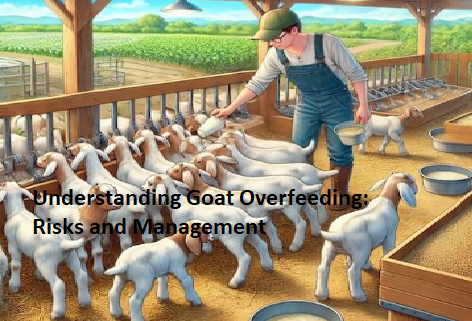
Managing goat overfeeding is a critical aspect of herd health that often goes overlooked by novice livestock owners. Many keepers assume that because goats are browsers, they possess an innate ability to self-regulate their intake regardless of the available feed quality. This misconception frequently leads to metabolic disorders, digestive distress, and long-term health complications that are entirely preventable.
By understanding the physiological limits of a goat’s rumen and the caloric density of common supplements, you can ensure your animals remain at a healthy weight while avoiding the dangerous consequences of excessive consumption.
The Immediate Dangers of Excess Intake
The most urgent risk associated with goat overfeeding is the rapid proliferation of Clostridium perfringens bacteria in the rumen. When a goat consumes an excessive amount of carbohydrates or grains, the rumen pH drops significantly. This acidic environment triggers the bacteria to produce a lethal toxin, a condition commonly known as enterotoxemia or “overeating disease.”
Symptoms often appear with terrifying speed in affected animals. You might notice a goat that was healthy in the morning suddenly exhibiting lethargy, teeth grinding, or severe abdominal pain by the afternoon. In acute cases, death can occur within 24 hours of the initial overconsumption event.
If you suspect your animal has gorged on grain, contact a veterinarian immediately to discuss administering an antitoxin or oral antacids to stabilize the rumen environment.
Identifying the Signs of Obesity
Determining if your goats are receiving too much feed requires more than a simple visual glance. Thick hair coats, especially in winter breeds like Nigerian Dwarfs or Pygmy goats, can easily hide significant weight gain. You must use a body condition scoring (BCS) system to assess your animals objectively.
A healthy, well-managed goat should typically score between a 2.5 and a 3.5 on a 5-point scale. To check this, physically palpate the goat’s loin, ribs, and sternum. You should be able to feel the ribs with firm pressure, but they should not be protruding sharply.
If you cannot feel the ribs at all, or if you notice heavy fat deposits around the tail head and brisket, your animal is likely overfed and at risk for metabolic issues.
Common Nutritional Pitfalls
Many owners accidentally contribute to goat overfeeding by treating their animals like pets rather than livestock. Providing free-choice grain is the most frequent culprit behind weight-related health problems. While grain can be a useful tool for lactating does or animals in cold climates, it is rarely necessary for dry does or wethers living in moderate conditions.
It is also important to recognize that high-quality alfalfa hay is significantly more calorie-dense than standard orchard or timothy grass hay. If you provide unlimited access to rich alfalfa while also feeding supplemental grain, you are creating a caloric surplus that the goat cannot burn off.
Always transition feed types slowly over at least a week to allow the rumen microbes to adjust to the new energy levels.
Nutritional Comparison Table
Understanding the caloric density of different feed sources helps you balance your herd’s diet effectively. The following table illustrates the relative energy contributions of common goat feeds.
| Feed Type | Energy Density | Recommended Frequency |
|---|---|---|
| Grass Hay | Low to Moderate | Free-choice |
| Alfalfa Hay | High | Limited/Targeted |
| Commercial Grain | Very High | Restricted/Supplement |
| Fresh Browse | Variable | Free-choice |
Strategies for Controlled Feeding
Implementing a structured feeding schedule is the most effective way to prevent goat overfeeding. Instead of leaving large quantities of feed in a communal trough, use individual feeding stations if possible. This ensures that the dominant goats in your herd do not consume the entire ration while the more timid ones go hungry.
If you must feed in a group setting, spread the hay or grain out over a wide area to prevent pushing and shoving. Consider using slow-feed hay nets or specialized feeders that require the animals to work for their food. These devices mimic natural browsing behavior and slow down the rate of intake, which helps prevent the rumen from becoming overwhelmed by a sudden influx of nutrients.
The Role of Exercise and Environment
Physical activity plays a massive role in maintaining a healthy metabolic rate for your goats.
A sedentary animal confined to a small, flat pen is much more prone to weight gain than one with access to a large, varied pasture. Ensure your enclosures include structures like climbing platforms, stumps, or hills to encourage movement throughout the day.
When goats are forced to navigate varied terrain, they burn more calories and maintain better muscle tone. This natural movement also aids in digestion, reducing the likelihood of impaction or bloating. If you have limited space, rotating your goats through different sections of the pasture can provide enough environmental enrichment to keep them active and engaged.
Managing Special Dietary Needs
Not every goat in your herd requires the same amount of nutrition.
A high-producing dairy doe, a growing kid, and a mature wether have vastly different caloric requirements. Treating them all as a single unit often leads to the overfeeding of animals with lower energy needs.
* Lactating does: Require higher protein and energy to support milk production.
* Growing kids: Need steady nutrition for skeletal and muscle development.
* Mature wethers: Generally require only maintenance levels of nutrition.
* Pregnant does: Require careful, gradual increases in energy during late gestation.
By separating your herd into groups based on their life stage, you can provide targeted nutrition. This prevents the “easy keepers” from becoming obese while ensuring the high-performers get the energy they need to stay healthy.
Long-Term Health Implications
Chronic overfeeding leads to more than just extra weight; it creates a cycle of health issues that can shorten a goat’s lifespan.
One of the most common long-term problems is metabolic syndrome, which is characterized by insulin resistance and chronic inflammation. This condition makes it difficult for the goat to process glucose, leading to lethargy and increased susceptibility to parasites.
Furthermore, obese goats are at a significantly higher risk for pregnancy toxemia and dystocia, or difficult births. A fat-laden birth canal can cause serious complications during kidding, often requiring emergency veterinary intervention. By keeping your goats at an appropriate body condition score, you are investing in their reproductive health and reducing the likelihood of expensive, life-threatening medical emergencies.
Monitoring and Adjusting Feed Programs
You should treat your feeding program as a living document that changes with the seasons and the specific needs of your animals.
During the winter, your goats will naturally require more energy to stay warm, so you may need to increase their intake slightly. Conversely, in the spring when lush, high-sugar grass emerges, you must restrict access to prevent rapid weight gain and bloat.
Regularly consult with your local extension agent or a large animal veterinarian to verify your feeding protocols. For detailed information on nutritional requirements and metabolic health, the Penn State Extension Goat Resources provide an excellent, science-based foundation for managing your herd. Keeping detailed logs of how much your goats eat and how their body condition changes over time will allow you to make data-driven decisions.
Conclusion and Ongoing Herd Care
Maintaining a healthy herd requires constant vigilance regarding the caloric intake of your animals.
By focusing on high-quality forage and limiting high-energy supplements, you can avoid the dangerous pitfalls associated with goat overfeeding. Remember that a lean, active goat is almost always a healthier and more productive animal than one carrying excess weight.
Consistency is your best tool for long-term success. Monitor your goats’ body condition scores monthly, adjust rations based on their life stage and the season, and keep them moving through varied, stimulating environments. If you ever notice a sudden change in behavior or appetite, do not hesitate to consult a professional.
With careful management and a focus on natural, fiber-rich diets, you will ensure your goats live long, active lives. We encourage you to observe your animals closely and reach out to local agricultural experts to refine your specific feeding strategy.
