

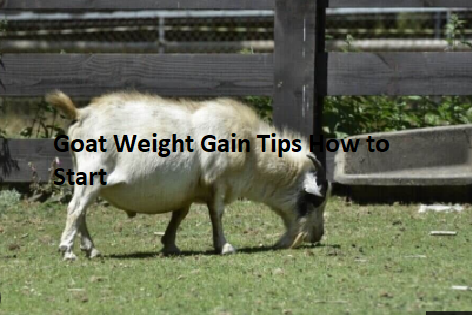
If you are looking for goat weight gain tips how to start, the most important factor is identifying the underlying cause of your animal’s poor condition before changing its diet. Weight loss or failure to thrive in goats is rarely just a lack of calories; it is often linked to internal parasites, mineral deficiencies, or dental issues.
You should begin by ensuring your goat has a clean bill of health through a fecal egg count test conducted by your local veterinarian. Once health issues are ruled out, you can safely implement a targeted nutritional plan to support healthy muscle and fat development.
Evaluating Health Before Feeding
Before you increase the grain or protein in your goat’s diet, you must verify that you are not feeding a parasite load. Goats are highly susceptible to barber pole worms, which consume blood and cause significant weight loss despite the animal eating well. If your goat appears thin but still has a healthy appetite, internal parasites are the primary suspect.
You should perform a FAMACHA eye chart check to assess the animal’s anemia levels. A pale inner eyelid indicates that the goat needs deworming treatment immediately, as no amount of feed will help an animal suffering from severe parasitic anemia. Always consult your veterinarian before administering dewormers to prevent resistance issues.
Dental health is another common reason for unexpected weight loss in mature goats. If a goat has sharp points on its molars, it cannot chew its cud effectively, which leads to poor nutrient absorption. You can check the jaw movement of your goat; if it drops wads of partially chewed hay, known as “quidding,” it likely needs a professional dental float.
Understanding Caloric Density
To achieve healthy weight gain, you need to provide a caloric surplus that exceeds the goat’s daily maintenance requirements. High-quality forage should remain the foundation of their diet, but you can introduce energy-dense supplements to bridge the gap. Alfalfa hay is superior to grass hay for weight gain due to its higher protein and calcium content.
Energy-dense concentrates like oats or barley provide the carbohydrates necessary for weight building. When starting these supplements, you must introduce them gradually to avoid rumen acidosis, a dangerous condition caused by sudden dietary shifts. Start with a small handful and increase the portion over two weeks to allow the rumen flora to adapt.
Fat sources are also effective for adding weight without overloading the rumen with starch. Black oil sunflower seeds are a popular choice among goat owners because they contain healthy fats and provide a shiny coat. You can feed up to a half-cup daily to an adult goat to boost their caloric intake safely.
The Role of Minerals
Goats require a specific balance of minerals to maintain the metabolic processes that support weight gain. A standard cattle mineral block is often insufficient because goats have a higher copper requirement than many other livestock. You should provide a high-quality, goat-specific loose mineral mix that is available free-choice at all times.
Copper deficiency is a hidden culprit that prevents goats from utilizing the food they eat. If your goats have “fish tails”—where the hair at the tip of the tail falls out—or a coarse, bleached-out coat, they are likely suffering from a mineral imbalance. Correcting this deficiency can often lead to a noticeable improvement in overall body condition.
Selenium is another critical component for muscle development and general health. In many regions, the soil is selenium-deficient, which leads to weak muscles and poor growth rates in kids. Providing a mineral mix containing selenium ensures the goat can properly synthesize nutrients into muscle tissue.
Strategic Supplementation Options
When researching goat weight gain tips how to start, many owners look toward commercial supplements designed for livestock. Calf Manna is a widely recognized supplement that provides a concentrated source of protein, vitamins, and minerals. Many breeders use it as a “top dress” on regular feed to encourage weight gain in growing kids or recovering adults.
However, supplements should only complement a balanced base diet, not replace it. Relying too heavily on synthetic supplements can lead to an expensive and potentially imbalanced feeding program. Focus on high-quality forage first, then add supplements only if the animal’s body condition score remains low.
| Supplement Type | Primary Benefit | Typical Daily Amount |
|---|---|---|
| Alfalfa Pellets | High Protein/Calcium | 1-2 lbs per head |
| Black Oil Sunflower Seeds | Healthy Fats | 1/4 to 1/2 cup |
| Calf Manna | Growth/Conditioning | 2-4 ounces |
| Rolled Oats | Energy/Carbohydrates | 1/2 to 1 lb |
Monitoring Body Condition Scores
Visual estimation of a goat’s weight can be deceiving, especially in breeds with thick winter coats. You must learn to use the Body Condition Score (BCS) system, which involves feeling the spine, ribs, and sternum for fat coverage. A goat in ideal condition should have a thin layer of fat over its ribs, and you should not be able to see the bones clearly.
Aim for a BCS of 3 on a 5-point scale for general health. If your goat is at a 1 or 2, they are underweight and require a managed recovery plan. Checking the BCS every two weeks allows you to track whether your current feeding strategy is working or if you need to adjust your approach.
Keep a written log of your findings to identify trends over time. If a goat’s score does not improve after four weeks of consistent, high-quality feeding, it is time to reconsider other health variables. Chronic illness or environmental stress could be preventing the animal from gaining weight despite adequate nutrition.
Environmental Factors and Stress
Environmental stressors can significantly impact a goat’s ability to gain weight. Goats are herd animals that experience anxiety when isolated, which can cause them to go off their feed. If you have an underweight goat, ensure it is not being bullied by more dominant members of the herd at the feeding trough.
Provide multiple feeding stations to ensure that every goat has access to hay and grain without competition. During cold weather, goats burn significantly more calories just to maintain their body temperature. You must increase their access to high-quality hay during winter months to prevent them from losing weight.
Shelter is another critical factor in maintaining weight. A dry, draft-free environment prevents the animal from wasting energy on thermoregulation.
If a goat is constantly wet or shivering, its body will prioritize heat production over weight gain. You can find more information on herd management standards through the eXtension Foundation, which provides evidence-based agricultural resources.
Common Mistakes to Avoid
Many beginners make the mistake of overfeeding grain in an attempt to put weight on a goat quickly. This practice is dangerous and can lead to enterotoxemia, often called “overeating disease.” This condition occurs when bacteria in the gut multiply rapidly due to excess starch, leading to fatal toxins.
Always increase grain intake very slowly and ensure the goat has access to plenty of roughage. Another common error is failing to provide clean, fresh water at all times. Digestion requires significant water intake, and a goat that does not drink enough will not be able to process its food efficiently.
Avoid “quick fix” injections or mystery supplements that promise rapid weight gain without a clear list of ingredients. Many of these products are not regulated for efficacy or safety in goats. Stick to proven nutritional principles and focus on long-term health rather than overnight results.
Developing a Long-term Feeding Plan
Once you have identified the right goat weight gain tips how to start, consistency becomes the key to success. A healthy feeding schedule should be predictable, as goats thrive on routine. Feed your animals at the same time every day to keep their rumen functioning optimally.
* Establish a consistent twice-daily feeding schedule.
* Keep fresh water available and clean the troughs weekly.
* Ensure the goat has access to high-quality hay 24/7.
* Monitor mineral intake to ensure the block or loose mix is being consumed.
* Separate underweight goats during meal times to prevent bullying.
Gradually transition the goat back to a normal maintenance diet once they reach their target body condition. There is no need to keep them on a high-calorie “fattening” diet once they have reached a healthy weight, as this can lead to obesity and associated health issues. Continue to monitor their weight seasonally, especially during breeding or lactation, when their nutritional needs change.
Understanding the health, environment, and nutritional needs of your animals is the most effective approach to weight management. By focusing on these goat weight gain tips how to start, you can ensure your animals remain in peak condition. Always prioritize preventative health care, as a healthy goat is naturally capable of maintaining its weight.
If you follow these guidelines, you will see steady, sustainable progress in your herd’s overall health and vitality. Consistency in your observation and feeding practices remains the best tool you have for long-term success.
