

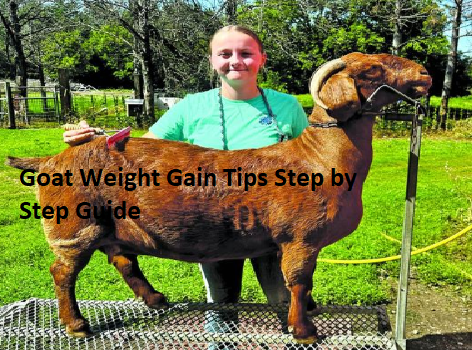
Implementing a consistent goat weight gain tips step by step guide requires a deep understanding of ruminant nutrition and animal health. Goats are sensitive creatures that often lose condition due to parasites, poor forage, or environmental stress rather than just a simple lack of calories. By focusing on digestive health and high-quality nutrient density, you can help your herd reach their target weight safely.
This approach prioritizes long-term wellness over rapid, unhealthy spikes in mass. You will learn how to evaluate body condition scores, adjust feed rations, and manage health factors that might be hindering your animals’ progress.
Evaluating Initial Body Condition
Before you begin a feeding program, you must determine if your goat is actually underweight or simply lean by breed standards. Use the Body Condition Scoring (BCS) system, which typically ranges from 1 to 5.
A score of 1 indicates an emaciated animal, while 5 represents an obese individual. For most meat goats, a score of 3 is the ideal target for general health and productivity.
Feel the spine, ribs, and loin area to assess fat cover. If you can easily count the individual vertebrae along the spine, the animal is likely underweight.
Conversely, if you cannot feel the ribs under a light touch, the goat is already in a healthy or overweight state. Recording these scores in a logbook allows you to track progress accurately over time.
Addressing Parasitic Loads
Internal parasites are the most common reason goats fail to gain weight despite adequate feed intake. Barber pole worms, in particular, feed on the blood of the host and cause significant anemia and weight loss. You should perform a FAMACHA eye chart test to check for signs of anemia before assuming the goat needs more grain.
If the inner eyelid is pale instead of a healthy pink or red, you must treat for worms immediately. Consult your local veterinarian to determine the most effective dewormer for your specific region, as resistance is a growing problem. A goat with a heavy parasite load will never gain weight efficiently, as the parasites are consuming the nutrients you are providing.
Optimizing Forage Quality
Forage should always make up the bulk of a goat’s diet, as their rumen is designed for fiber digestion. If your pasture is poor or overgrazed, the animals will burn more energy walking to find food than they consume. Provide high-quality hay, such as alfalfa or a high-protein grass mix, to ensure they have access to consistent nutrition.
Alfalfa is an excellent choice for weight gain because it is rich in protein and calcium. If you cannot provide high-quality hay, you may need to supplement with forage pellets or beet pulp. Ensure that the hay is free from mold and dust, as goats are notoriously picky eaters and will refuse low-quality feed.
Strategic Grain Supplementation
When forage alone is insufficient, adding a concentrated grain ration can provide the extra calories needed for weight gain. Start slowly to avoid digestive upsets like acidosis or bloat. A good rule of thumb is to start with no more than 1/4 pound of grain per head per day.
Increase the amount gradually over two weeks until you reach the desired maintenance or finishing level. Use a feed specifically formulated for goats to ensure the proper mineral balance, particularly the calcium-to-phosphorus ratio. For more information on nutritional requirements, you can review the guidelines provided by Penn State Extension on proper feeding practices.
Essential Mineral Balance
Goats require a specific mineral mix to support metabolism and overall growth. A free-choice mineral block or loose mineral supplement designed for goats is critical for preventing deficiencies. Copper is particularly important, but you must ensure the mineral is formulated for goats, as sheep-specific minerals can be toxic to them.
Minerals act as catalysts for the enzymes that process food into energy. If a goat is deficient in selenium or zinc, their ability to convert feed into muscle and fat is significantly reduced. Keep the mineral feeder clean and dry to ensure the goats actually consume the product.
Tracking Nutritional Milestones
Monitoring weight gain requires more than just guesswork. Use a livestock scale if available, or use a weight tape designed specifically for goats. While a weight tape is not as accurate as a scale, it provides a consistent way to monitor trends in growth.
You should weigh your goats at the same time of day to ensure the data is comparable. A morning weight before feeding is generally the most consistent measurement. Keep a simple table to track these figures so you can see if your efforts are yielding results.
| Measurement Period | Target Gain (Average) | Action Required |
|---|---|---|
| Weeks 1-2 | 0.25 lbs/week | Monitor intake and parasite levels |
| Weeks 3-6 | 0.50 lbs/week | Increase energy-dense forage |
| Weeks 7+ | 0.75 lbs/week | Adjust grain if necessary |
Common Dietary Additives
Certain supplements can help boost calorie intake without causing digestive issues. Black oil sunflower seeds are a popular addition because they provide high levels of fat and protein. They also help improve coat condition, which is a great indicator of internal health.
Beet pulp is another excellent tool for weight gain. It acts as a highly digestible fiber source that provides slow-release energy. Many producers soak the beet pulp before feeding to increase water intake, which is essential for proper rumen function.
* Black oil sunflower seeds for fat content
* Soaked beet pulp for hydration and fiber
* Probiotics to stabilize rumen flora
* High-quality alfalfa for protein density
* Balanced goat-specific mineral supplements
Managing Environmental Stress
Goats are highly sensitive to their environment, and stress can cause them to lose weight rapidly. Ensure they have access to adequate shelter from rain, wind, and extreme heat. A goat that is shivering in the winter is using all its energy to stay warm rather than growing.
Provide clean, fresh water at all times. If the water is dirty or too cold in the winter, the goats will drink less, which directly correlates to lower feed intake. A simple heater in the water trough during the winter months can make a significant difference in daily consumption rates.
Conclusion
Achieving healthy weight gain in goats requires a focus on digestive health, parasite control, and high-quality nutrition. By following this goat weight gain tips step by step guide, you can identify the underlying causes of weight loss and implement a sustainable feeding program. Remember that slow and steady growth is always preferable to rapid weight gain, as it supports the long-term health of your animals.
Regularly monitoring body condition scores and tracking your progress will help you refine your approach based on the specific needs of your herd. Start by addressing parasites and ensuring access to clean water, then adjust your forage and grain rations as needed. Your commitment to these fundamentals will result in a healthier, more productive goat herd.
