

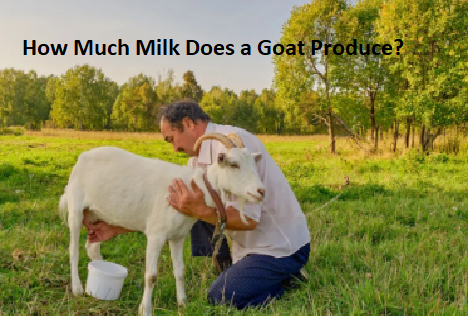
Understanding how much milk does a goat produce requires looking at breed genetics, nutrition, and the stage of lactation. A healthy, well-managed dairy goat typically produces between 6 to 12 pounds of milk per day, which translates to roughly 3 to 6 quarts.
This output fluctuates significantly throughout the year based on the animal’s age, health status, and the quality of forage provided. Whether you are managing a small backyard herd or looking into commercial dairy production, knowing these baseline figures helps you plan for feeding costs and processing needs.
Daily Production Averages by Breed
The amount of milk a goat yields is heavily influenced by its genetic heritage. High-production dairy breeds like the Saanen or Alpine are capable of producing much higher volumes than smaller, dual-purpose breeds.
A top-performing Saanen can often exceed 1.5 gallons daily during her peak lactation period. In contrast, smaller breeds like the Nigerian Dwarf provide a lower daily volume but produce milk with a higher butterfat content.
Most dairy farmers calculate production by weight rather than volume because weight remains consistent regardless of foam or air bubbles in the milk. A standard, high-producing doe in the middle of her lactation cycle should yield roughly 0.75 to 1.25 gallons daily.
If you are looking for specific breed data, the American Dairy Goat Association provides detailed milk testing records for registered animals. These records show that elite does are capable of massive output, while average homestead goats will hover on the lower end of that spectrum.
The Lactation Curve and Seasonal Cycles
Goats do not produce milk continuously; they must be bred to initiate the lactation cycle. Once a doe gives birth, her milk production begins to climb, reaching a peak approximately 4 to 6 weeks after kidding.
This peak production phase lasts for several months before gradually tapering off as the doe moves further into her lactation. If the goat is not re-bred, production will continue to drop until she naturally goes dry.
Most commercial dairies aim for a 305-day lactation cycle to balance yield with the animal’s physical recovery. During the final months of this cycle, you will notice a marked decrease in the daily volume provided.
Farmers often adjust their feed rations during these different stages to support the doe’s energy needs. Providing high-quality alfalfa or grain during the peak phase is essential to maintaining that high volume.
Nutritional Impacts on Yield
Nutrition is perhaps the most important variable when determining how much milk does a goat produce on your specific farm. A goat that is not receiving adequate protein, energy, and minerals will never reach her genetic potential for milk production.
Lactating does require significantly more calories than dry does because they are essentially converting forage into high-quality liquid energy. Clean, fresh water is also non-negotiable, as milk is roughly 87% water.
A balanced diet for a milking doe typically includes high-quality hay or pasture, a specialized dairy ration, and free-choice minerals. If you notice a sudden drop in production, it is often tied to a change in the quality of the hay or a lack of access to fresh water.
Many producers also add supplements like black oil sunflower seeds to help boost the butterfat content. Always transition feed slowly to avoid digestive upset, which can immediately crash milk output.
Environmental Stressors and Production
Goats are sensitive to their environment, and stress is a major factor in reduced milk yields. Extreme temperatures, whether too hot or too cold, force the goat to use energy for thermoregulation rather than milk production.
During the peak of summer, you might observe a decrease in daily volume as the animals spend more time seeking shade. Protecting your herd from wind, rain, and excessive heat is necessary for consistent production.
Predator pressure or even changes in the barn hierarchy can cause enough stress to lower milk yields temporarily. Goats are herd animals that thrive on routine and stability.
If you change their milking schedule or introduce new animals to the group, expect a slight dip for a few days. Keeping a calm, quiet, and predictable environment is one of the cheapest ways to ensure your goats remain productive.
Data Comparison: Expected Yields by Breed
When evaluating different breeds, it is useful to look at the differences in daily output. While individual performance varies, the following table provides a general baseline for what you can expect from common dairy breeds during their peak lactation months.
| Goat Breed | Average Daily Yield (Gallons) | Primary Use |
|---|---|---|
| Saanen | 1.5 – 2.5 | High-volume commercial |
| Alpine | 1.0 – 2.0 | Consistent, high-volume |
| Nubian | 0.75 – 1.5 | High butterfat, lower volume |
| Toggenburg | 1.0 – 1.5 | Consistent, hardy |
| Nigerian Dwarf | 0.25 – 0.5 | Rich milk, backyard scale |
Management Practices for Higher Yields
Consistency in your milking routine is the most effective way to maintain high production levels. If you milk your goats at 6 AM and 6 PM, keep those hours as strictly as possible.
Goats are creatures of habit, and their bodies prepare for milk let-down based on the timing of your arrival. Irregular milking times signal the doe’s body to start drying up, which will decrease your overall annual harvest.
Proper udder health is another critical component of long-term production. Mastitis, an infection of the udder, can permanently damage tissue and ruin a doe’s production for the entire season.
Always sanitize milking equipment and keep the milking area clean to prevent bacterial spread. If you suspect an issue with an udder, address it immediately rather than waiting for a natural resolution.
Factors Influencing Milk Quality
While volume is the primary focus of this discussion, the quality of the milk is just as important for those making cheese or yogurt. Butterfat and protein levels are determined largely by the breed, but diet plays a secondary role.
For instance, feeding high-fiber forage tends to support higher butterfat percentages compared to diets heavy in simple sugars or grains. If you are selling your milk, knowing your specific butterfat content is a strong marketing asset.
Environmental factors like seasonal change also affect the composition of the milk. You might find that the flavor and creaminess of the milk shift from spring to autumn based on the available forage.
Pasture-raised goats often produce milk with different flavor profiles than those fed exclusively on dry hay. Monitor your herd’s health closely, as healthy animals consistently produce the highest quality milk.
Common Challenges for New Owners
Managing a dairy herd comes with a learning curve, particularly when dealing with the physical demands of daily milking. You must account for the time required to milk, sanitize equipment, and store the product properly.
Many beginners underestimate the time commitment of twice-daily milking, which is required for high-producing breeds. If you only have one or two goats, consider whether you need that much milk or if a lower-production breed might be easier to manage.
Another challenge is the management of the kids. If you are keeping the kids with the does, your milk production will be split between what the kids drink and what you can harvest.
Most commercial farms separate the kids early to ensure the farmer gets the full yield. This requires bottle-feeding the kids, which adds another layer of labor to your daily schedule.
Frequently Asked Questions
Do goats produce milk without being pregnant?
No, a goat must give birth to a kid to initiate the lactation process. While there are rare medical exceptions or instances of precocious lactation, a goat will not naturally produce milk unless she has gone through the hormonal cycle of pregnancy and kidding.
How many goats will one acre support?
The number of goats per acre depends heavily on the quality of your pasture and your supplemental feeding program. Generally, you can support 4 to 6 goats on one acre if you are providing supplemental hay, but you must rotate them frequently to prevent overgrazing and parasite buildup.
Can you drink goat milk straight from the goat?
While it is physically possible, it is generally recommended to filter and chill the milk immediately to ensure safety. Raw milk can carry bacteria if the udder is not perfectly clean, so proper hygiene during the milking process is essential if you intend to consume it without pasteurization.
Is goat milk healthier than cow milk?
Goat milk is often considered easier to digest because the fat globules are smaller and the protein structure differs from cow milk. It is also naturally homogenized and contains different levels of vitamins and minerals, though both types of milk offer distinct nutritional benefits.
How much does a gallon of goat milk cost?
The price of goat milk varies significantly based on your location and whether you are buying it from a local farm or a retail store. In many regions, raw goat milk sold directly from the farm ranges from $8 to $15 per gallon, depending on demand and local regulations.
Conclusion
Determining how much milk does a goat produce is a balance between understanding the biological limits of the animal and providing the management necessary to support those limits. By selecting the right breed for your goals and maintaining a consistent, healthy environment, you can ensure a reliable supply of milk throughout the lactation cycle. Always monitor your herd’s health and adjust your feeding program as the goats move through their different life stages.
If you are just starting out, begin with one or two animals to get a feel for the daily routine before expanding your herd. With proper care and attention to detail, you will soon find that your goats are highly productive and rewarding companions for any small-scale farm.
