

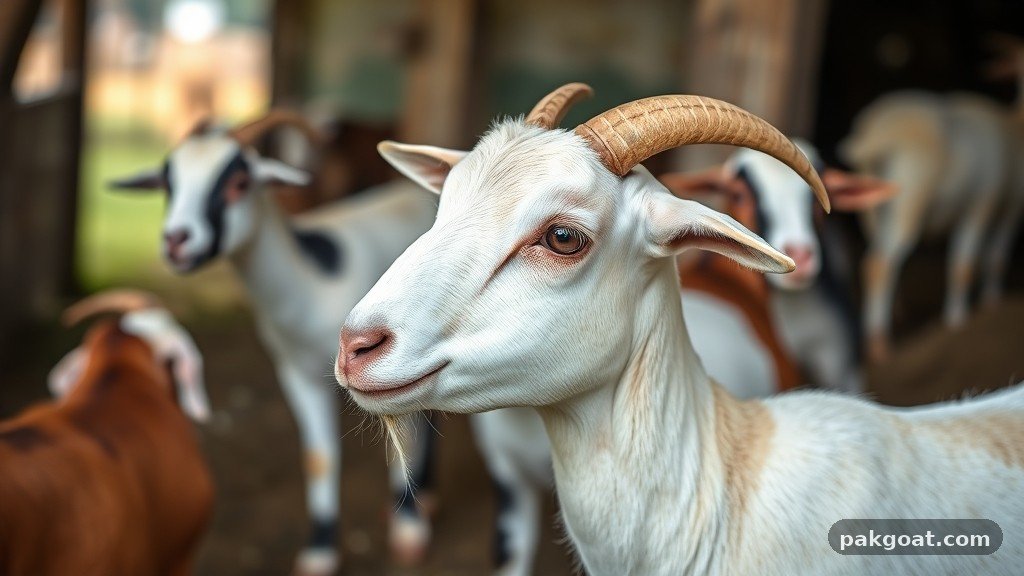
Starting goat farming requires a shift in perspective from traditional livestock management because these animals are highly intelligent, selective browsers rather than simple grazers. Success in this industry hinges on understanding your specific market goals, whether you intend to produce milk, meat, fiber, or manage vegetation for hire.
By focusing on breed selection and infrastructure before purchasing your first animal, you significantly lower the barrier to entry and reduce early operational losses. This article provides the foundational knowledge necessary to build a sustainable, scalable operation that turns your land into a productive agricultural asset.
Initial Financial Requirements
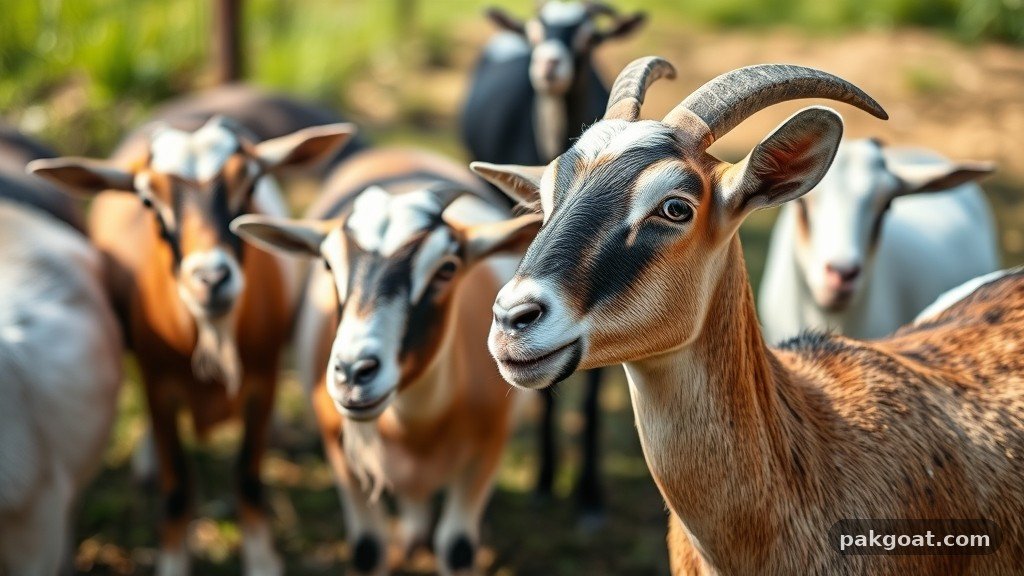
The cost of starting goat farming varies significantly based on your scale, but a hobby-level setup often requires an initial investment of $3,000 to $5,000 to cover fencing, basic shelter, and the acquisition of a small starter herd. For a commercial-scale operation, costs escalate quickly as you account for automated milking parlors, specialized cooling equipment, and high-tensile fencing systems. You should plan for a 6 to 12-month period where the farm generates no profit while you establish your herd and build your local market presence.
Fixed costs are dominated by infrastructure, while variable costs fluctuate based on feed prices and veterinary care. Most beginners find that their biggest expense is not the goats themselves, but the construction of predator-proof housing and secure perimeter fencing.
If you are operating on a tight budget, consider starting with two or three animals to learn the basics of animal husbandry before expanding. This phased approach allows you to reinvest your early, smaller profits into better equipment rather than taking on heavy debt before you fully understand your local production costs.
Land Management and Infrastructure
Goats are browsers, meaning they prefer to eat leaves, shrubs, and weeds rather than short grass. You need roughly one acre for every 6 to 8 goats, provided you practice rotational grazing to keep parasites in check and prevent overgrazing.
If you have poor soil, you will need to supplement your pasture with high-quality hay, which can consume a large portion of your profit margin. Always prioritize land with natural drainage, as goats are highly susceptible to foot rot and pneumonia if kept in damp, muddy conditions.
Fencing is arguably the most critical infrastructure investment for any new goat farmer. Standard livestock wire is often insufficient, as goats are notorious for climbing, jumping, or squeezing through small gaps.
Use woven wire fencing at least 48 inches high with electric strands if you have issues with predators like coyotes or stray dogs. A sturdy barn or three-sided shelter is also required to protect your herd from wind, rain, and extreme heat.
| Asset Type | Estimated Investment | Maintenance Priority |
|---|---|---|
| Perimeter Fencing | $2.00–$5.00 per linear foot | High |
| Animal Shelter | $500–$2,000 | Medium |
| Starter Herd (3 head) | $600–$1,500 | High |
| Watering System | $100–$400 | Medium |
Choosing the Right Breed
Your choice of breed should be dictated entirely by your end product, as goats have been selectively bred for centuries to excel in specific niches. Dairy breeds like Nubians or Alpines are popular for milk production, but they require consistent, labor-intensive milking schedules.
Meat breeds, such as the Boer or Kiko, are generally hardier and require less daily interaction, making them a common choice for beginners. Fiber goats like Angoras require specialized shearing skills and a niche market to be truly profitable.
Before purchasing, check the United States Department of Agriculture livestock market reports to see which breeds command the highest prices in your region. Avoid buying goats from auction houses if you are a beginner, as these animals often carry hidden health issues or parasites.
Instead, seek out reputable breeders who can provide health records and demonstrate the temperament of their stock. Always look for animals that are alert, have clear eyes, and show no signs of respiratory distress or limpness.
Managing Herd Health
Goat health is highly dependent on effective parasite management and preventative care. Internal parasites, particularly the barber pole worm, are the leading cause of death in goats across many regions.
You must learn to use the FAMACHA scoring system, which involves checking the color of the goat’s lower eyelid to determine if they are anemic and in need of deworming. Never use anthelmintics blindly, as parasites have developed widespread resistance to many standard chemical treatments.
Vaccinations should be handled in consultation with a local large-animal veterinarian who understands your area’s specific disease risks. Most herds require regular CD&T vaccinations to prevent enterotoxemia and tetanus.
Keep a dedicated medical kit on hand that includes electrolytes, antiseptic sprays, thermometers, and basic surgical tools for hoof trimming. Hoof health is a daily concern; you will need to trim your goats’ hooves every 6 to 8 weeks to prevent lameness and bacterial infections.
Developing a Revenue Model
Profitability in goat farming rarely comes from selling raw animals alone; most successful farmers diversify their income streams. You might sell milk or cheese, meat to local ethnic markets, or even offer “goatscaping” services where you rent out your herd to clear brush on private properties.
The demand for goat meat is consistently high around specific cultural holidays, which allows for strategic planning of your breeding cycles. If you choose to focus on dairy, you must comply with strict state-level food safety regulations regarding raw milk or pasteurization.
* Direct-to-consumer sales of goat cheese or yogurt
* Meat sales during peak holiday demand cycles
* Stud services for neighboring small-scale farms
* Manure sales for organic gardening compost
* Vegetation management contracts for local municipalities
Marketing your products requires a strong local presence, often through farmers’ markets or social media platforms. Emphasize the quality of your husbandry, as consumers are increasingly willing to pay a premium for meat or dairy that is raised ethically and sustainably.
Track your expenses meticulously using a spreadsheet or agricultural accounting software to identify which parts of your operation are actually turning a profit. If one segment of your farm, such as the fiber production, consistently loses money, do not be afraid to pivot your strategy.
The Seasonal Breeding Cycle
Goats are seasonal breeders, typically cycling in the autumn when the days begin to shorten, though some breeds can be bred year-round. You need a clear plan for your buck (the male goat), as keeping him with the does year-round leads to unpredictable kidding times and potential health issues for young mothers. A typical gestation period is 150 days, meaning you must prepare your kidding stalls well in advance of the spring season.
Successful kidding requires constant observation, especially for first-time mothers who may struggle with the birthing process. Ensure you have colostrum on hand, as kids must consume this nutrient-rich first milk within the first few hours of life to survive.
You should also have a plan for your male kids, as they are often less profitable to raise than females. Many farmers choose to castrate male kids early or raise them specifically for meat production to maximize their return on investment.
Common Hurdles for Beginners
Many beginners underestimate the sheer amount of time required for daily chores and maintenance. Even a small herd needs to be checked at least twice a day for water access, fence integrity, and signs of illness.
You will also encounter unexpected losses, such as predators or sudden health declines, which are an inevitable part of agricultural life. Resilience and a willingness to learn from failure are just as important as the capital you invest in the business.
Another frequent mistake is overstocking the land, which leads to rapid pasture degradation and an explosion in the parasite population. If you see your goats eating the bark off trees or looking for food outside the fence, your pasture is likely insufficient.
Always maintain a buffer of stored hay or supplemental feed to carry your animals through the winter months. By preparing for these challenges, you move from being a hobbyist with animals to a professional manager of a functioning farm.
Frequently Asked Questions
Is goat farming profitable for small-scale operations?
Profitability depends on your ability to find a niche market, such as specialty cheese or direct-to-consumer meat sales. While high-volume operations benefit from economies of scale, small farms often succeed by focusing on high-quality, artisanal products that command premium pricing.
How many goats should a beginner start with?
Most experts recommend starting with three to five does. This number is large enough to keep the goats happy, as they are herd animals, but small enough to manage without overwhelming your time or budget while you learn the ropes.
What is the most common reason for failure in goat farming?
Poor parasite management is the primary cause of failure. Many new farmers do not realize how quickly internal parasites can wipe out a herd, and they fail to implement a rigorous monitoring and pasture rotation strategy until it is too late.
How much land is required for a small herd?
You should aim for at least one acre of well-managed pasture for every 6 to 8 goats. If your soil quality is low, you will need more land or a significant budget for supplemental hay to prevent the goats from overgrazing the area.
Do I need a veterinarian on call?
Yes, having a relationship with a large-animal vet is essential. While you can perform many basic tasks yourself, such as hoof trimming or administering routine vaccines, you need professional support for emergencies, complex birthing issues, or disease outbreaks.
Building Your Future
Starting goat farming is a demanding but rewarding endeavor that requires careful planning, disciplined financial management, and a genuine commitment to animal welfare. By prioritizing secure fencing, effective parasite control, and a clear understanding of your local market, you can build a sustainable operation that grows over time. Begin by focusing on your infrastructure and the health of your initial herd before attempting to scale up.
Every successful farm began with a few animals and a commitment to learning the nuances of the trade. If you remain observant and continue to refine your management practices, you will find that the effort invested in the early stages pays off in the long term. Take the first step by scouting your land and researching the local demand for your chosen product today.
