

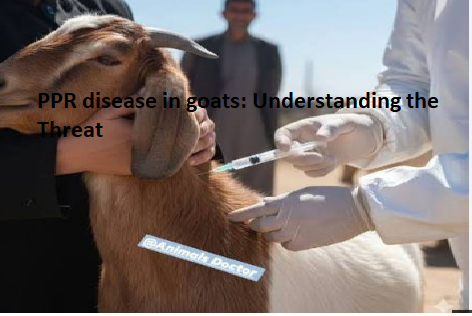
PPR disease in goats, also known as Peste des Petits Ruminants, remains one of the most devastating viral threats to small ruminant populations globally. This highly contagious condition primarily affects goats and sheep, leading to significant economic losses for farmers who rely on these animals for their livelihoods.
Understanding the clinical signs, transmission pathways, and control measures is essential for anyone involved in livestock management. By recognizing the severity of this infection early, producers can implement effective biosecurity practices to protect their herds from catastrophic outbreaks.
Clinical Presentation and Identification
The primary question many farmers ask is how to spot PPR disease in goats before it ravages an entire herd. The clinical signs are often aggressive and progress rapidly, starting with a sudden onset of high fever, which can reach up to 106°F (41°C).
Within days, infected animals develop a watery ocular and nasal discharge that quickly turns thick, yellowish, and purulent. This discharge eventually crusts over, effectively blocking the nostrils and making it difficult for the animal to breathe comfortably.
Oral lesions are another hallmark of the virus, appearing as necrotic areas on the gums, tongue, and dental pad. These ulcers cause severe pain, leading to complete anorexia and profuse salivation.
As the disease progresses, the goat will suffer from severe, foul-smelling diarrhea, which causes rapid dehydration and emaciation. In many cases, death occurs within 7 to 10 days of the initial fever, particularly in younger or immunocompromised individuals.
Respiratory distress is a constant feature in the later stages of the infection. Animals will often stand with their necks extended and breathe through their mouths, showing obvious signs of pneumonia.
If you notice a sudden spike in mortality accompanied by these respiratory and digestive symptoms, you must suspect an outbreak immediately. Early identification is the only way to prevent the virus from spreading to healthy animals in your care.
Transmission Dynamics
The virus responsible for this condition is a morbillivirus, which is closely related to rinderpest and canine distemper. Transmission occurs primarily through direct contact between susceptible animals and those shedding the virus.
Infected goats excrete the pathogen in their saliva, nasal secretions, feces, and ocular discharges. When animals are housed together in crowded conditions, the virus spreads with alarming speed through respiratory aerosols.
Indirect transmission also plays a significant role in the persistence of the disease within a herd. Contaminated water troughs, feed buckets, and bedding materials can harbor the virus for short periods, especially in moist or cool environments.
While the virus is relatively fragile outside the host, it can survive long enough to be transmitted through shared equipment. Farmers should be aware that introducing new stock without a proper quarantine period is the most common way this infection enters a clean farm.
Environmental factors like poor ventilation and high stocking density significantly exacerbate the spread. During the dry season, the movement of animals toward shared watering holes creates the perfect conditions for viral transmission.
Because the virus is so contagious, a single infected goat can easily trigger a massive outbreak in a village or a commercial farm. Maintaining clean, dry, and well-ventilated housing is a critical component of limiting the risk of exposure.
Vaccination and Immunity
Vaccination is currently the most effective tool available for controlling the spread of the virus. The most widely used vaccine is a live attenuated strain that provides strong, long-lasting immunity after a single dose.
Studies from the World Organisation for Animal Health indicate that a single immunization can protect an animal for up to three years. Because the vaccine is highly effective, it serves as the cornerstone of global eradication programs.
Timing is critical when setting up a vaccination schedule for your flock. It is generally recommended to vaccinate all animals older than three months, excluding those that are heavily pregnant if possible.
Since the vaccine is live, it should be kept in a cold chain at all times to ensure its potency. If the vaccine is exposed to heat or direct sunlight, it will fail to provide protection, leaving the animals vulnerable to infection.
Implementing a mass vaccination campaign is the most efficient way to achieve herd immunity. By vaccinating at least 80% of the susceptible population in a given area, you can effectively break the chain of transmission.
This strategy not only protects individual animals but also reduces the viral load in the environment. Consistent annual boosters ensure that new kids born into the herd are protected before they reach a vulnerable age.
Economic Impact on Agriculture
The financial consequences of an outbreak are often catastrophic for small-scale farmers. Beyond the direct loss of animals, the disease results in decreased milk production, lower meat quality, and the loss of breeding potential.
In many rural communities, goats represent a family’s primary liquid asset and a vital source of protein. When a herd is decimated by an outbreak, the loss of income can push families into extreme poverty.
Trade restrictions are another hidden cost that producers must consider. When an outbreak is confirmed in a specific region, international and local markets often close their doors to livestock from that area.
This prevents farmers from selling healthy animals at fair prices, forcing them to sell at a loss or keep animals that they can no longer afford to feed. The market impact can last for months or even years after the last clinical case has been resolved.
The following table summarizes the typical impact of an outbreak on a small-scale goat farm:
| Category | Impact Level | Financial Consequence |
|---|---|---|
| Animal Mortality | High | Loss of capital and future breeding stock |
| Milk Production | Severe | Immediate loss of daily household income |
| Treatment Costs | Moderate | High expense for antibiotics and nursing care |
| Market Access | Critical | Total loss of revenue due to quarantine |
Biosecurity Measures
Strict biosecurity is your best defense against the introduction of the virus. Never introduce new goats into an existing herd without a mandatory isolation period of at least 21 to 30 days.
During this time, monitor the newcomers closely for any signs of fever, discharge, or lethargy. If any animal shows symptoms, isolate it immediately and contact a veterinarian for diagnostic testing.
Limit the movement of people and vehicles onto your farm to minimize the risk of mechanical transmission. Pathogens can easily be carried on the soles of boots or the tires of a truck that visited an infected site.
Providing footbaths with disinfectant at the entrance of your farm is a simple yet effective barrier. Encourage staff and visitors to wear dedicated farm clothing that can be washed and sanitized regularly.
Keep your herd separate from other animals, especially those belonging to neighbors or communal grazing groups. Communal grazing is a notorious source of cross-contamination, as it is impossible to verify the vaccination status of all animals in the field.
When you are managing a large herd, try to divide them into smaller groups to prevent the rapid spread of disease if an infection does occur. This compartmentalization can save the majority of your flock if one group becomes compromised.
Treatment and Supportive Care
There is no specific antiviral treatment for the virus, meaning that recovery depends entirely on supportive care and the animal’s immune response. Antibiotics are frequently administered to manage secondary bacterial infections, such as pneumonia, which often complicate the primary viral attack. While these drugs do not kill the virus, they help the animal survive the period of extreme weakness.
Hydration is the most vital aspect of nursing a sick goat. Because of the severe diarrhea and fever, animals lose fluids at an alarming rate.
Providing oral rehydration salts or intravenous fluids can be the difference between life and death. If the animal is still eating, offer high-quality, soft forage that is easy to digest and swallow, as the oral ulcers make chewing painful.
Maintaining a clean, stress-free environment helps the animal conserve its energy for healing. Separate sick individuals into a warm, dry area that is protected from drafts and direct sunlight.
Regularly clean the eyes and nostrils to remove the crusty discharge, which can help the goat breathe more easily. Although some animals may recover, they will remain carriers or weak for some time, so monitor them long after the initial symptoms disappear.
The Global Eradication Effort
International bodies are currently working toward a global eradication goal set for 2030. This initiative involves coordinated efforts across multiple continents to vaccinate herds, improve veterinary surveillance, and enhance laboratory diagnostic capacities.
By mapping the movement of the virus, experts can better predict where outbreaks are likely to occur. This proactive approach allows for targeted vaccination campaigns before the virus has a chance to flare up.
Collaboration between governments and local community leaders is essential for the success of these programs. In many regions, traditional nomadic herding practices make it difficult to reach every animal for vaccination.
Mobile veterinary clinics and community-based animal health workers are helping to bridge this gap. These workers are trained to identify symptoms and administer vaccines in remote areas that would otherwise be left unprotected.
Successful eradication requires sustained funding and political commitment. As the global population continues to grow, the demand for goat meat and milk will only increase, making the protection of these animals a food security priority.
If the world manages to eliminate this virus, it will be the second major animal disease to be eradicated, following the success of rinderpest. The progress made in the last decade suggests that the goal is achievable with continued vigilance.
Key Management Strategies
To keep your herd healthy and productive, you must adopt a proactive approach to animal husbandry. Regular health checks should be part of your daily routine, allowing you to catch subtle changes in behavior early.
A goat that stops eating or lags behind the rest of the herd is often the first sign of an underlying issue. Always keep a detailed record of your vaccination dates and health treatments for every animal in your care.
* Maintain a strict closed-herd policy to prevent external exposure.
* Implement a mandatory vaccination schedule for all kids and adults.
* Sanitize all feeding and watering equipment on a weekly basis.
* Monitor daily for signs of respiratory distress or nasal discharge.
* Isolate any animal showing signs of illness immediately.
* Consult a licensed veterinarian for a customized health plan.
Nutrition also plays a major role in the immune system’s ability to fight off infections. Ensure that your goats have access to a balanced diet that includes essential minerals and vitamins.
A malnourished animal is far more likely to succumb to a viral infection than one that is well-fed and healthy. By focusing on the fundamentals of nutrition and hygiene, you create a resilient herd that can better withstand the pressures of disease.
Frequently Asked Questions
How do you treat PPR in goats?
There is no direct cure for the virus, so treatment focuses on supportive care. Veterinarians typically prescribe broad-spectrum antibiotics to control secondary bacterial pneumonia and provide rehydration therapy to combat the effects of severe diarrhea.
What are the primary symptoms of PPR disease?
The most common signs include a high fever, thick nasal and ocular discharge, painful oral ulcers, and watery diarrhea. In later stages, affected animals often exhibit severe respiratory distress and pneumonia.
Can PPR disease be transmitted to humans?
No, this virus does not infect humans. It is strictly a disease of small ruminants, though it can cause significant economic disruption for human communities that depend on these animals for food and income.
How can we eradicate PPR disease?
Eradication is achieved through widespread, consistent vaccination campaigns combined with improved disease surveillance and strict animal movement controls. Global efforts are currently focused on achieving worldwide elimination by the year 2030.
Is there a vaccine available?
Yes, a highly effective live attenuated vaccine is available. It typically provides long-term immunity and is the primary tool used by veterinary services to prevent and control outbreaks in endemic regions.
Conclusion
Protecting your livestock from the threat of viral infection requires a combination of vigilance, proper vaccination, and strict biosecurity. PPR disease in goats is a serious condition, but it is not an insurmountable one if you follow established veterinary protocols. By keeping your herd isolated from outside risks, maintaining an up-to-date vaccination schedule, and ensuring your animals have access to clean, nutritious feed, you significantly lower the chance of an outbreak on your property.
Early detection remains the most powerful tool you have to prevent the loss of your animals. If you suspect an infection, reach out to your local agricultural office immediately to contain the spread. Taking these proactive steps today will ensure the long-term health and profitability of your farm for years to come.
