

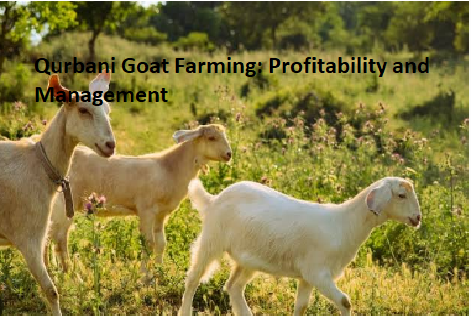
Qurbani goat farming requires a strategic approach to animal husbandry, focusing on specific timelines to ensure livestock reach optimal weight before the Eid al-Adha season. By understanding the growth cycles and market demands, producers can effectively transition from general livestock management to a specialized model that targets peak sale periods.
This article examines the essential metrics, management practices, and financial considerations necessary to achieve success in the seasonal meat market. You will gain clarity on selecting breeds, calculating feed costs, and timing your market entry to maximize returns on your investment.
Financial Viability and Market Outlook
The profitability of Qurbani goat farming is primarily driven by the seasonal surge in demand for healthy, well-fed animals during the Islamic month of Dhu al-Hijjah. Unlike year-round meat production, this model focuses on a specific three-to-four-month intensive feeding cycle.
Successful farmers typically report profit margins ranging between 20% and 35% per animal, provided that mortality rates are kept below 5%. The primary variable costs include high-protein feed concentrates, veterinary vaccinations, and labor for daily maintenance.
Market prices for goats during the Qurbani season are dictated by weight, age, and physical condition. A healthy, one-year-old goat that has been stall-fed for 90 days usually commands a premium price compared to range-fed livestock.
You should expect to invest roughly $80 to $120 in total production costs per animal, including the initial purchase price of the kid and subsequent feed. If market conditions remain stable, the sale price can often reach $150 to $220, depending on the breed and final weight.
Essential Breed Selection for Optimal Growth
Selecting the right breed is the most critical decision for a producer, as growth rates vary significantly across different species. For Qurbani, you need breeds that exhibit high feed conversion ratios, meaning they turn grain and forage into muscle mass efficiently.
Popular choices often include the Beetal, Kamori, or Teddy breeds, depending on your local climate and availability. These breeds are favored because they have a high tolerance for heat and are known for their rapid weight gain under intensive feeding regimes.
When evaluating potential stock, ignore the aesthetic appeal and focus exclusively on the skeletal structure and health markers. Look for animals with a broad chest, straight legs, and a strong appetite, as these are indicators of future growth potential.
Avoid purchasing animals that show signs of respiratory distress or lethargy, as these conditions often worsen during the transition to a stall-fed environment. Investing in high-quality, disease-free stock at the start of the season is far more cost-effective than attempting to treat sick animals later.
Stall-Feeding Strategies
Stall-feeding is the gold standard for Qurbani goat farming because it limits the animal’s movement, thereby conserving energy that would otherwise be burned through grazing. By keeping goats in a controlled environment, you can monitor their intake precisely and adjust their diet to meet specific weight targets.
A typical ration should consist of a mix of dry fodder, such as wheat straw or alfalfa, supplemented with a high-energy grain concentrate. This balance ensures the animal gains weight steadily without suffering from digestive issues caused by an overly rich diet.
Consistency in the feeding schedule is vital for success in this sector. Goats are creatures of habit and thrive when fed at the same time each day, which helps maintain their metabolism and reduces stress.
You must also provide constant access to clean, fresh water, as dehydration is the fastest way to stall growth in any intensive farming operation. Many successful farmers install automatic waterers to ensure the animals never go thirsty, even during the hottest parts of the afternoon.
Managing Health and Disease Prevention
Maintaining a rigorous health program is the only way to protect your financial investment during the short, high-stakes Qurbani season. A single outbreak of Peste des Petits Ruminants (PPR) or enterotoxemia can devastate your entire herd within days.
You should establish a relationship with a local veterinarian to create a vaccination schedule that covers the most common regional diseases. Vaccination typically occurs two to three weeks before the start of the intensive feeding period to allow the animal’s immune system to build a response.
Internal and external parasite control is equally important for maintaining weight gain. Deworming should be performed at the start of the stall-feeding cycle, with follow-up treatments as recommended by your vet based on fecal egg counts.
Keeping the enclosure clean is the best way to prevent the buildup of parasites and bacteria. Regularly remove manure and replace bedding to keep the floor dry, as moisture encourages the growth of hoof rot and other skin infections that can negatively impact the animal’s market value.
Key Operational Milestones
Managing a farm effectively requires tracking specific milestones to ensure you are on schedule for the Eid market. You cannot afford to fall behind, as the demand window is immovable. Use the following table to understand the typical progression of a Qurbani goat project.
| Phase | Timeline | Primary Focus |
|---|---|---|
| Procurement | 4 Months Out | Selecting healthy 6-8 month old kids |
| Acclimatization | 3.5 Months Out | Quarantine and initial vaccination |
| Intensive Feeding | 3 Months Out | High-protein diet to maximize weight |
| Market Preparation | 1 Week Out | Grooming and health certification |
Infrastructure and Land Requirements
Many new entrants to the industry overestimate the amount of land required for their operations. Because the animals are stall-fed, you do not need vast pastures; you only need enough space to house the herd comfortably.
A well-ventilated shed with a raised floor is ideal, as it allows manure to fall through and keeps the goats off the damp ground. You should aim for roughly 10 to 12 square feet of floor space per goat to prevent overcrowding and reduce the risk of injury.
Infrastructure must also include a secure storage area for feed to prevent spoilage and theft. Protecting your grain and fodder from rodents is essential, as contaminated feed is a leading cause of illness in small ruminants.
For more information on maintaining herd health and standard biosecurity measures, you can refer to the Food and Agriculture Organization’s animal production resources. Investing in a simple, durable structure will pay for itself by reducing animal stress and lowering veterinary costs.
Common Risks and Mitigation
Risk management is a constant factor in Qurbani goat farming, as the market is highly sensitive to external shocks. Price volatility, sudden changes in feed costs, and environmental heat stress are the most common challenges you will face.
To mitigate feed cost volatility, many farmers choose to purchase their grain supply in bulk at the start of the season rather than buying weekly. This strategy locks in your costs and shields you from price spikes during the peak demand period.
Heat stress is a major concern in many regions where this practice is common. Goats can suffer from heat exhaustion if temperatures exceed their comfort zone, leading to decreased appetite and weight loss.
Providing adequate shade, fans for ventilation, and cooling mist systems can significantly reduce the impact of extreme heat. Always keep a close eye on the animals during the hottest hours; if they stop eating, you must take immediate action to cool the environment.
Essential Equipment and Supplies
To run an efficient farm, you need a specific set of tools that simplify daily tasks and ensure animal welfare. Your equipment list should be focused on durability and ease of cleaning to save you time and effort.
- Sturdy feeding troughs that prevent animals from stepping in or contaminating their food.
- Automated or gravity-fed water stations to maintain constant hydration.
- A reliable digital scale to track weekly weight gains and adjust feed rations accordingly.
- Medical kit containing disinfectants, bandages, syringes, and basic dewormers.
- Grooming tools such as brushes to keep coats clean for better presentation at market.
- A secure shed structure with proper ventilation and easy-to-clean flooring.
Frequently Asked Questions
Which breed of goat is best for Qurbani?
The best breed is one that is local to your area and known for high growth rates. Breeds like the Beetal or Kamori are often preferred because they are hardy and respond well to intensive grain feeding.
How much land is required for 1000 goats?
If you are strictly stall-feeding, you do not need acres of pasture. A facility with approximately 12,000 square feet of covered shed space is sufficient for 1000 goats, assuming proper ventilation and layout.
What is the ideal age for a goat for Qurbani?
According to religious requirements, a goat must generally be at least one year old to be eligible for Qurbani. It is best to purchase kids around 6 to 8 months old to ensure they have enough time to reach the required weight and age by the time of the festival.
Is goat farming profitable?
Yes, it can be highly profitable if managed as a business with strict cost controls. The key to profitability is minimizing mortality through vaccination and maximizing weight gain through consistent, high-quality nutrition.
How do I know if my goat is gaining enough weight?
You should weigh your goats on a weekly basis using a hanging or platform scale. If a goat is not gaining weight, you should first check for internal parasites and then re-evaluate the protein content of the feed ration.
Future Outlook and Conclusion
Successful Qurbani goat farming relies on the intersection of disciplined animal care and strategic market timing. By focusing on high-quality nutrition, strict health protocols, and efficient facility management, you can build a reliable income stream that centers around this annual demand. The market for healthy, well-groomed animals remains strong, and producers who prioritize the welfare and growth of their livestock consistently outperform those who take a passive approach.
As you move forward, consider documenting your feed costs and weight gains to refine your strategy for the following year. Consistent data collection is the most effective tool for improving your margins and reducing unnecessary expenses.
Starting with a manageable herd size will allow you to learn the nuances of the business without overextending your resources. If you stay committed to the fundamentals of animal husbandry, you will find that the effort invested in your goats yields significant returns.
