

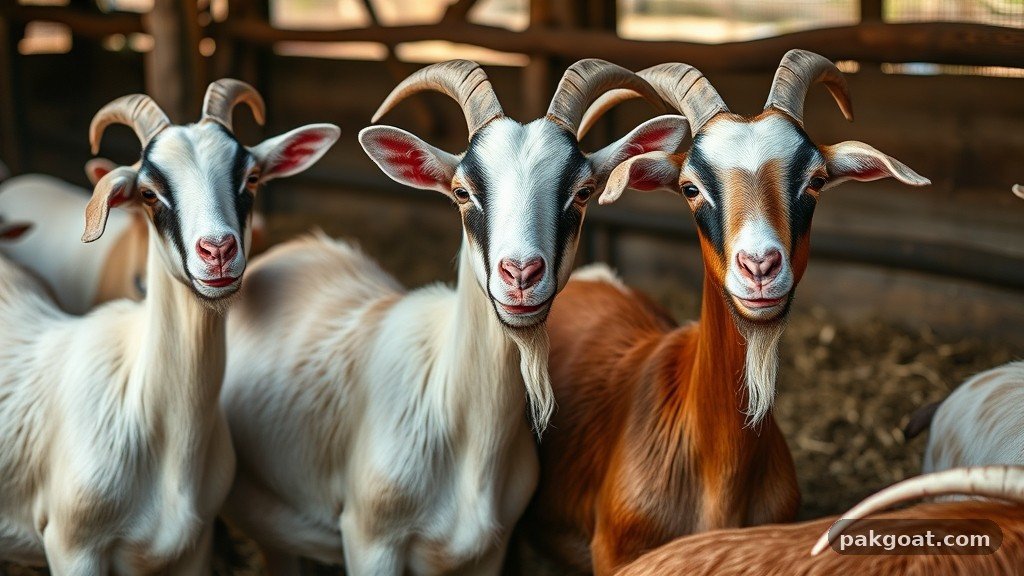
Raising goats for meat has become an increasingly popular agricultural pursuit for small-scale farmers and commercial operations alike. Global demand for chevon, the culinary term for goat meat, continues to climb as consumers seek leaner, sustainable protein alternatives to traditional beef or lamb.
Whether you are looking to manage brush on your property or build a viable income stream, understanding the biological and financial requirements is essential. This article explores the specific management practices, breed selections, and market dynamics necessary for those interested in successfully raising goats for meat while maintaining a healthy, productive herd throughout the year.
The primary question for most newcomers is whether raising goats for meat is a profitable endeavor. The answer depends heavily on your scale, local market access, and input costs, but many producers find that a well-managed herd yields a net profit per head ranging from $50 to $150 after accounting for feed, vet care, and processing.
Because goats are efficient browsers rather than grazers, they can thrive on land that might be unsuitable for cattle, significantly lowering your overhead if you already own the acreage. Success requires a focus on rapid weight gain, parasite control, and identifying the right sales channels, such as ethnic markets or direct-to-consumer farm sales.
Selecting the Ideal Meat Goat Breed
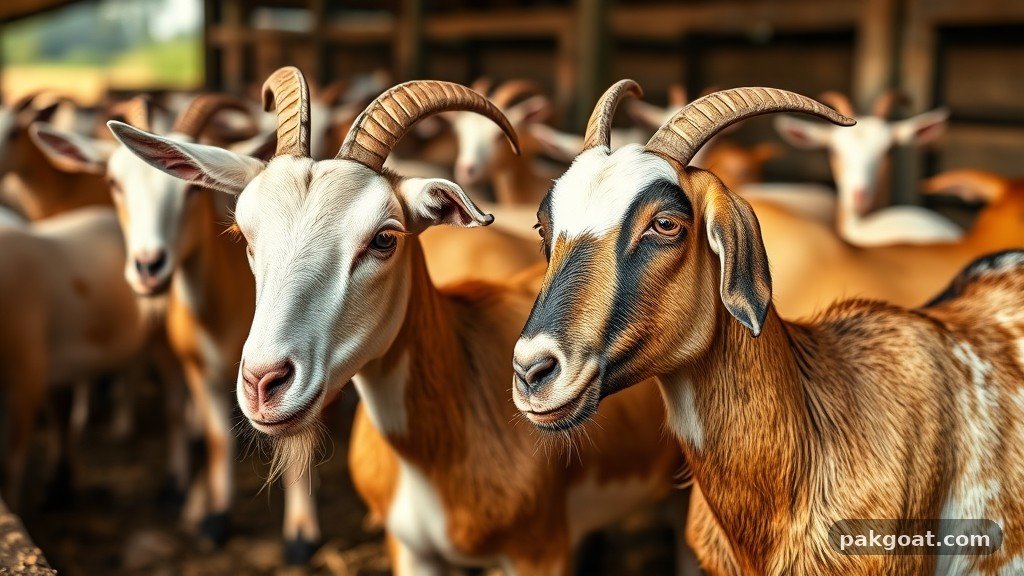
Choosing the right animal is the foundation of your production system, as not all goats are created equal in terms of muscle mass and growth rates. The Boer goat remains the industry standard in many regions due to its rapid growth and superior carcass conformation.
Originating in South Africa, these animals are known for their heavy muscling and distinct white bodies with brown heads. They reach market weight quickly, often within 6 to 9 months, provided they have access to quality nutrition.
Other producers prefer the Kiko goat, which was developed in New Zealand specifically for hardiness and parasite resistance. While they may not put on weight as fast as a Boer, their ability to thrive with minimal medical intervention makes them a favorite for extensive grazing systems.
You might also consider the Spanish goat, a landrace breed that has adapted to harsh environments over centuries in North America. These goats are incredibly resilient and serve as an excellent base for crossbreeding programs.
Crossbreeding is a common strategy for commercial producers looking to capture the best traits of different breeds. Crossing a Boer buck with a Kiko or Spanish doe often results in hybrid vigor, combining the high growth rates of the Boer with the environmental adaptability of the hardier breeds. This approach can reduce your reliance on chemicals for parasite control while still producing a carcass that meets the high standards of buyers at auction barns or private sales.
Understanding Nutritional Requirements
While goats are famous for eating almost anything, they are actually quite selective feeders that thrive on a diverse diet of brush, weeds, and high-quality forage. To maximize growth for meat production, you cannot rely solely on poor-quality pasture.
You must provide a balanced diet that includes adequate protein and energy, especially during the growth phase of kids. A typical feeding program often involves a mix of rotational grazing and supplemental hay or concentrates.
Rotational grazing is a critical practice for managing internal parasites, which are the leading cause of loss in goat operations. By moving your herd through different paddocks every 7 to 14 days, you break the life cycle of common stomach worms.
This ensures that the goats are always grazing on clean, fresh forage rather than congregating in areas with high larval contamination. When the grass is dormant or of poor quality, you must supplement with alfalfa or high-protein pellets to ensure the animals continue to gain weight.
Clean water is non-negotiable for meat goats, as poor water quality directly correlates with reduced feed intake and slower growth. They are fastidious animals and will often refuse to drink from stagnant or dirty troughs.
Installing a reliable, automated watering system can save you hours of labor each week and keep your herd hydrated. For those operating in cold climates, consider adding tank heaters to prevent freezing during winter months, as a dehydrated goat will lose body condition rapidly.
Managing Herd Health and Parasites
Health management is the most significant challenge when raising goats for meat, particularly regarding the control of Haemonchus contortus, or the barber pole worm. This parasite can devastate a herd if left unchecked, leading to anemia and significant mortality rates. Implementing the FAMACHA scoring system—a method of checking the color of the mucous membranes in the lower eyelid—allows you to identify and treat only the animals that are actually suffering from an infestation.
Over-reliance on chemical dewormers has led to widespread resistance, meaning many common drugs are no longer effective. You should consult with a veterinarian to develop a targeted deworming protocol that keeps your herd productive without accelerating resistance.
Many successful producers now use a combination of selective breeding for parasite resistance and nutritional management to keep their animals healthy. Cull any doe that consistently requires extra medical attention, as you do not want to pass these susceptible genetics on to the next generation.
Vaccinations are another essential component of a proactive health program. Most producers routinely vaccinate against Clostridium perfringens types C and D and tetanus, commonly referred to as the CD&T vaccine.
Kids usually receive an initial dose at weaning or earlier, depending on the dam’s vaccination status, followed by a booster. Keeping detailed health records for every individual in the herd will help you track growth, treatments, and reproductive success over time.
Infrastructure and Fencing Needs
Goats are renowned escape artists and require much better fencing than cattle or sheep. A standard four-strand barbed wire fence is usually insufficient, as goats can easily crawl under, over, or through it.
The best solution is typically woven wire fencing that is at least 48 inches high, often reinforced with a strand of electric wire at the top to discourage jumping. Proper bracing at the corners and gates is vital, as a determined goat will apply significant pressure to any weak point.
Shelter requirements for meat goats are relatively simple, but they must be kept dry and draft-free. A three-sided structure facing away from the prevailing wind is usually enough to protect them from rain and snow.
Goats do not have the same oil content in their coats as sheep, meaning they get chilled much faster when wet. Ensure the floor of your shelter is kept dry with straw or wood shavings to prevent hoof rot and other moisture-related ailments.
Your handling system should be designed to minimize stress, as stressed animals lose weight and are more prone to illness. A simple catch pen or a small chute can make tasks like tagging, vaccinating, or checking for parasites much faster and safer for both you and the animal.
You can find comprehensive information on animal welfare standards and facility design through resources like the United States Department of Agriculture. Well-designed infrastructure not only improves the growth of your herd but also makes the day-to-day work of raising goats for meat much more sustainable.
Market Dynamics and Sales Channels
The market for goat meat is highly seasonal, with prices often spiking around major holidays like Easter, Eid al-Fitr, and Eid al-Adha. Planning your kidding season to align with these peaks can significantly increase your profit margins.
Many producers coordinate their breeding cycles so that kids reach the desired market weight of 50 to 70 pounds just in time for these high-demand periods. Research your local ethnic markets to understand the specific weight and condition preferences of your buyers.
Direct-to-consumer sales can often yield a higher price than selling at a livestock auction, though they require more marketing effort. Selling meat by the cut or by the whole carcass allows you to capture the value that would otherwise go to the middleman.
You must comply with state and federal regulations regarding meat processing if you intend to sell processed meat products. Many states allow on-farm slaughter for personal use, but commercial sales typically require inspection by a state or USDA-certified facility.
Understanding the difference between live weight and carcass weight is crucial for pricing your product. A goat will typically yield about 45% to 50% of its live weight in saleable meat after processing.
If you are selling a 100-pound animal, you might expect to yield roughly 45 to 50 pounds of actual meat, depending on the breed and the fat content. Use the following table to estimate your production expectations:
| Growth Metric | Typical Target |
|---|---|
| Weaning Weight | 35–45 lbs |
| Market Weight | 60–80 lbs |
| Daily Weight Gain | 0.25–0.4 lbs |
| Dressing Percentage | 45%–50% |
Financial Planning for Goat Producers
Raising goats for meat requires a clear understanding of your variable and fixed costs to ensure the business remains viable. Feed is usually the largest variable cost, particularly if you are finishing kids on grain to reach market weight quickly.
You must also account for veterinary supplies, fencing repairs, marketing costs, and potential processing fees if you are selling finished meat. Tracking these expenses in a spreadsheet is the only way to determine your true cost of production per pound.
The initial investment for a breeding herd can vary significantly based on your region and the quality of the stock. Starting with a small group of high-quality does and a registered buck is often better than buying a large number of low-quality animals.
You will also need to consider your land costs, though many producers start by leasing land or using their own property to manage weeds. As you scale up, your fixed costs per head will likely decrease, but your management requirements will increase exponentially.
* Breeding Stock: The foundational cost of your herd.
* Supplemental Feed: Hay, minerals, and grain for finishing.
* Medical Supplies: Vaccines, dewormers, and basic first-aid kits.
* Infrastructure: Fencing, water systems, and shelters.
* Marketing: Costs associated with finding buyers and transport.
Consider the potential for secondary income streams as well. For example, some producers sell manure as a high-quality fertilizer, or they offer “goatscaping” services where they rent out their herd to clear brush for other landowners.
These side ventures can help stabilize your cash flow during the off-seasons when you are not actively selling meat. Always keep a cash reserve for unexpected veterinary emergencies or sudden drops in market prices.
Frequently Asked Questions
Is raising goats for meat worth it?
For those with access to land and a willingness to manage the specific health needs of goats, it can be a highly rewarding and profitable venture. The key is to keep your input costs low by utilizing grazing, minimize losses through proactive parasite management, and target high-demand holiday markets.
How long does it take to raise goats for meat?
Most meat-breed kids reach a marketable weight of 60 to 80 pounds between 6 and 9 months of age. This timeframe can be shortened with supplemental feeding or extended if you rely primarily on forage and browsing.
How much meat will I get from a 100 lb goat?
A healthy goat typically has a dressing percentage of roughly 45% to 50%. This means a 100-pound live goat will yield approximately 45 to 50 pounds of actual meat after processing.
How many acres do I need to raise 100 goats?
The number of acres depends entirely on the quality of your forage and your management style. In a high-quality, managed rotational grazing system, some producers can maintain 10 to 15 goats per acre, while in arid or poor-forage areas, you might need 5 to 10 acres per 100 goats.
What is the best way to sell meat goats?
Selling directly to consumers or through ethnic markets during major holidays often provides the highest return. Livestock auctions are convenient, but they usually result in lower prices due to commission fees and the volatility of the auction ring.
Conclusion
Successful production in this sector requires more than just owning animals; it demands a disciplined approach to health, nutrition, and market timing. By choosing hardy breeds, maintaining rigorous parasite control, and aligning your production cycle with peak market demand, you can build a sustainable operation. The process of raising goats for meat is a continuous learning experience that balances agricultural science with sound business decision-making.
Start small, focus on the health of your initial herd, and gather data on your costs before scaling up to larger numbers. As you gain confidence, you can refine your breeding program and explore new sales channels to maximize your returns. If you are diligent about your management practices and stay informed about industry trends, you will find that raising goats for meat offers a unique and viable path within the livestock industry.
