

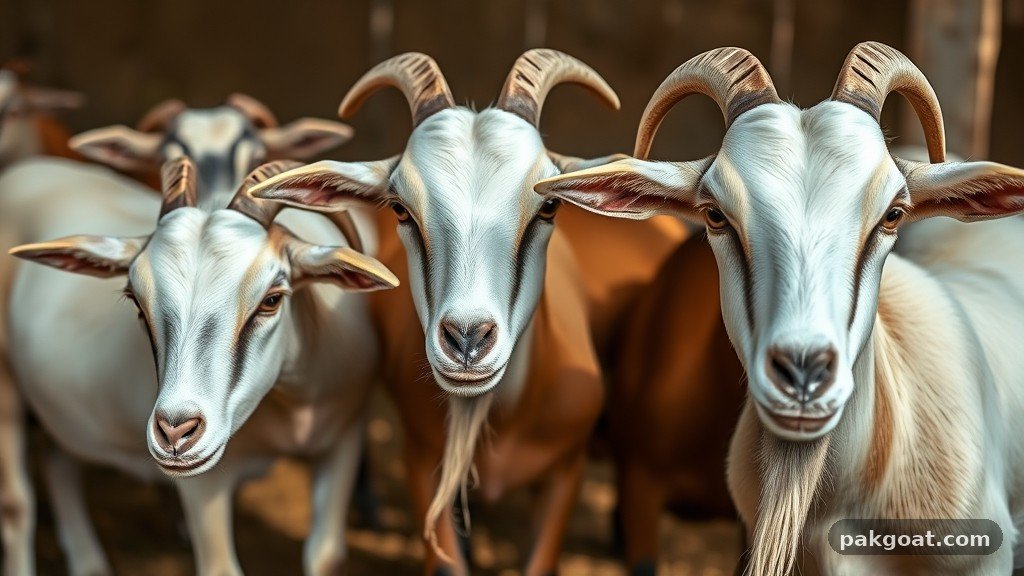
Raising goats for profit requires a transition from seeing these animals as backyard hobbies to managing them as agricultural assets. Many new producers enter the market expecting immediate windfalls, but success depends on understanding market demand, feed conversion ratios, and specialized niche products.
You can generate consistent revenue by aligning your breed choice with your local climate and specific market gaps, such as meat production, dairy, or fiber. This breakdown examines the real-world economics of managing a herd, helping you decide if this venture aligns with your financial goals.
The profitability of a goat operation depends heavily on your scale and your chosen end-product. A small-scale operation with fewer than 20 does often struggles to cover fixed costs like fencing and veterinary care, while herds exceeding 50 animals begin to benefit from economies of scale.
Most commercial producers target a profit margin of 15% to 25% after accounting for variable costs like hay, grain, and medical supplies. You should expect to invest between $2,000 and $5,000 in startup infrastructure—including quality housing and perimeter fencing—before purchasing your first animal.
Analyzing Revenue Streams for Goat Producers
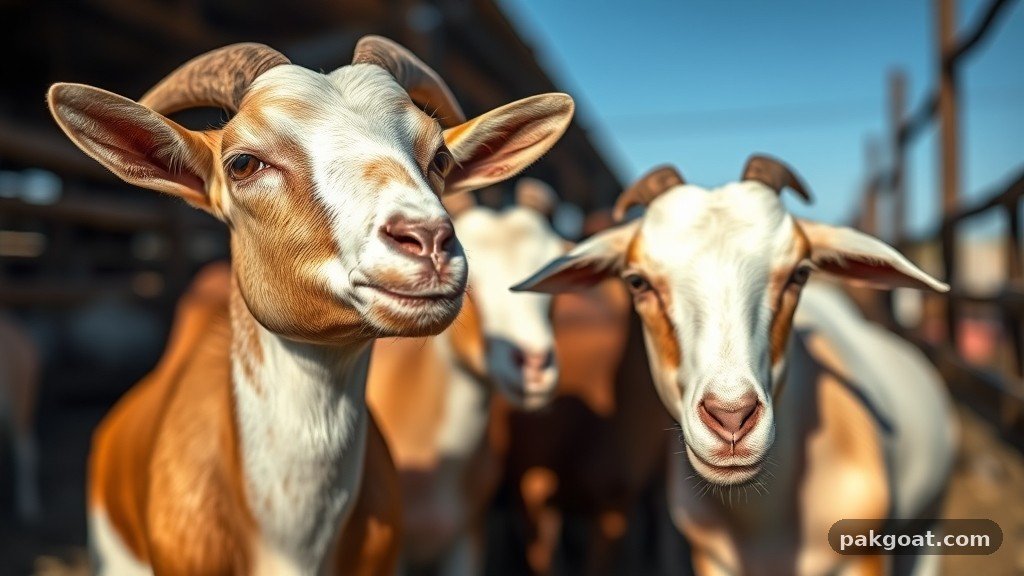
Diversification is the most effective way to stabilize your income when raising goats for profit. You should not rely solely on the sale of live kids, as market prices for meat goats fluctuate based on seasonal demand and feed costs. Integrating secondary income streams allows you to maximize the value of every animal in your herd.
The following list outlines the primary ways successful farms generate consistent cash flow:
- Meat production: Selling kids at 40 to 60 pounds during high-demand religious holidays.
- Dairy products: Processing raw milk into artisan cheeses, soaps, or lotions for direct-to-consumer sales.
- Fiber production: Raising Angora or Cashmere breeds to sell raw fleece or processed roving to local fiber artists.
- Breeding stock: Selling registered, high-pedigree animals to other breeders for herd improvement.
- Manure sales: Composting goat waste to sell as a premium, nitrogen-rich organic fertilizer to local gardeners.
- Agritourism: Hosting farm tours, petting zoos, or “goat yoga” sessions to diversify revenue.
Infrastructure and Land Management Requirements
Proper land management remains the single largest factor in controlling your operating expenses. Goats are notorious browsers rather than grazers; they prefer shrubs, woody plants, and weeds over lush pasture grass. If you force goats to graze short, wet grass, you significantly increase the risk of internal parasite loads, which can destroy your profit margins through rising veterinary bills.
You generally need about one to two acres of land to sustain a herd of 10 to 15 goats, depending on your soil quality and forage density. Intensive rotational grazing—moving goats between small paddocks every few days—prevents overgrazing and keeps the animals on clean, parasite-free ground. Investing in high-quality woven wire fencing is non-negotiable, as goats are clever escape artists that can quickly damage your reputation with neighbors and local authorities.
Selecting the Most Profitable Breeds
Your choice of breed should be dictated by your end product rather than personal preference. If your primary goal is meat production, you need breeds that prioritize rapid weight gain and hardiness. Boer goats remain the industry standard for meat, as they are known for their muscular build and superior growth rates compared to dairy-based breeds.
For dairy operations, the Alpine, Saanen, and Nubian breeds are the gold standard for milk volume and butterfat content. Nubian milk, in particular, is prized by cheesemakers for its higher protein and fat levels, which lead to better cheese yields. If you plan to sell breeding stock, focus on registered animals with documented performance records, as commercial buyers pay a significant premium for genetics backed by data.
Managing Feed Costs and Nutrition
Feed is the largest variable expense for any goat operation, often accounting for 50% to 70% of total operating costs. To maximize profit, you must minimize the reliance on expensive store-bought grain and maximize the intake of high-quality forage. Providing free-choice, high-quality hay during the winter is necessary, but you should treat it as a supplement rather than a primary diet if you have access to browse.
Mineral supplementation is a critical, yet often overlooked, expense that directly affects your bottom line. Goats require specific mineral ratios to maintain immune function, prevent reproductive issues, and ensure healthy hoof growth. A deficiency in copper or selenium can lead to poor growth rates, high mortality in kids, and expensive emergency vet visits.
Comparison of Goat Enterprise Types
Understanding the differences between primary production methods is essential for financial planning. The table below compares the general characteristics of the three most common business models.
| Enterprise Type | Startup Capital | Labor Intensity | Primary Income Driver |
|---|---|---|---|
| Meat Goat Herd | Moderate | Low to Moderate | Volume of kids sold |
| Dairy Operation | High | Very High | Value-added products |
| Breeding/Stud Farm | Very High | Moderate | High-value individual sales |
Addressing Health and Veterinary Expenses
Health management is where many amateur operations fail to turn a profit. Parasite management, specifically the control of the barber pole worm, is the most significant health challenge for goat farmers in humid climates. You must implement a fecal egg count monitoring program to avoid over-reliance on chemical dewormers, which leads to drug-resistant parasites.
Building a relationship with a large-animal veterinarian is vital, but you should also learn to perform basic procedures yourself. Understanding how to trim hooves, administer vaccinations, and assist with kidding will save you thousands of dollars in call-out fees over the life of your herd. The USDA Animal and Plant Health Inspection Service provides extensive resources on disease prevention and herd biosecurity that can help you avoid catastrophic losses.
Marketing Your Goat Products
Marketing is the bridge between production and profit, yet it is often the most neglected aspect of the farm business. If you are selling meat, you must identify local ethnic markets or high-end restaurants that specifically seek out goat meat. Selling through traditional livestock auctions often results in lower prices because you are competing with commodity-scale producers.
Direct-to-consumer sales, such as farmers’ markets or farm stands, allow you to capture the retail value of your products. For dairy and fiber goods, social media and a professional website are essential tools for building a brand identity. You aren’t just selling goat milk soap or raw fiber; you are selling the story of the farm and the quality of the animal husbandry behind the product.
Frequently Asked Questions
How many goats do I need to be profitable?
While every operation varies, most experts suggest starting with a “foundation herd” of 10 to 15 does. This size allows you to learn the nuances of animal care and market dynamics without overextending your financial resources. You generally need at least 30 to 50 animals to begin generating a significant, consistent secondary income.
How much money can I make with goats?
Profitability is highly variable and depends on your ability to control overhead costs. A well-managed meat goat herd might net $100 to $200 per doe per year, while a value-added dairy operation can yield significantly higher margins per animal. You must subtract all costs—including feed, vet bills, infrastructure depreciation, and your own labor—to find your true net profit.
Which breed of goat is most profitable?
Profitability is not tied to a single breed but to the alignment of the breed with your market. Boer goats are most profitable for meat production due to their growth rates, while Nubian or Alpine goats are the most profitable for dairy-based businesses. Selecting a breed based on its intended purpose is more important than choosing a specific breed based on popularity.
How much land do I need for 100 goats?
For 100 goats, you should ideally have at least 10 to 20 acres of well-managed pasture. This allows you to rotate the herd effectively, preventing the soil from becoming depleted and keeping the parasite load manageable. If you have less land, you will have to rely more heavily on stored hay, which will increase your feed costs and decrease your profit margins.
Is it better to sell at auction or direct?
Selling direct-to-consumer almost always yields a higher profit margin than selling through livestock auctions. Auctions prioritize volume and convenience for the buyer, which typically drives prices down for the seller. Direct sales allow you to set your own prices based on the quality of your product and the specific demands of your local customers.
Financial Sustainability in Goat Farming
Building a successful business in this sector requires patience and a focus on long-term asset growth. Your initial years will likely involve reinvesting all profits back into the herd to improve genetics and infrastructure. By tracking every dollar spent on feed, medical supplies, and equipment, you can identify which parts of your operation are performing well and which are draining your resources.
Raising goats for profit is not a get-rich-quick scheme, but it is a viable path for those willing to manage their animals with precision and care. Focus on lowering your input costs through efficient grazing and keep your marketing efforts local to capture the highest possible premiums. If you start small, maintain rigorous health standards, and diversify your revenue, you can create a sustainable agricultural business that supports your financial goals for years to come.
