

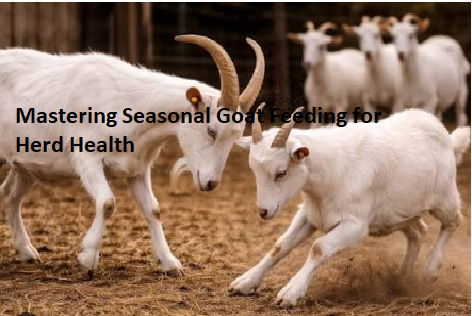
Managing seasonal goat feeding effectively is the cornerstone of maintaining a healthy, productive herd throughout the entire calendar year. Because nutritional requirements fluctuate based on pasture availability, weather conditions, and the animal’s reproductive stage, a one-size-fits-all approach to diet will inevitably lead to health issues or reduced milk production.
By understanding how to adjust fiber, protein, and mineral intake across the seasons, you can ensure your goats stay in optimal body condition while minimizing unnecessary feed costs. This article provides the practical framework you need to adapt your feeding strategy to the changing landscape of your farm.
Nutritional Requirements by Season
The most critical factor in seasonal goat feeding is acknowledging that the animal’s energy demand is not static. During the spring, rapid growth in forage provides high levels of protein and energy, often exceeding the needs of dry does.
However, this lush grass is often low in dry matter, meaning goats must consume vast quantities to meet their physical hunger. You must monitor their manure consistency during this time, as watery, rapid-growth forage can lead to scours if not supplemented with adequate dry hay.
As summer heat arrives, forage quality typically declines, becoming more lignified and less digestible. Goats are selective browsers, so they will naturally shift their focus to weeds and brush if available, which can actually be a benefit for pasture management.
You should supplement with high-quality hay if the pasture starts to brown out, ensuring they maintain their body condition score. Summer is also the peak time for internal parasite challenges, which are exacerbated by wet conditions; keep a close watch on FAMACHA scores while managing their dietary intake.
Autumn brings a transition period where the nutritional value of pasture drops significantly as plants enter dormancy. This is the time to start increasing the hay ration, especially for does that are being bred or are in early gestation.
Winter, however, represents the most expensive feeding period, as the goats are entirely dependent on stored forage. You must ensure that the quality of your hay is high enough to support their metabolic heat production, as goats burn significant calories simply staying warm in freezing temperatures.
The Role of Hay and Forage
Hay acts as the foundation of your feeding program, particularly during the months when grazing is limited. For most dairy or meat goat breeds, a high-quality grass-legume mix is ideal, providing a balance of energy and protein.
Alfalfa is an excellent source of calcium and protein, making it perfect for lactating does, while grass hay serves well for bucks or dry does to prevent urinary calculi. Always inspect your hay for mold, as goats are notoriously sensitive to mycotoxins, which can cause severe respiratory issues or abortion in pregnant animals.
The amount of hay required varies by the goat’s size and stage of production, but a general rule is to offer 2% to 4% of their body weight in dry matter daily. If you are feeding a 150-pound doe, this equates to roughly 3 to 6 pounds of hay per day.
You should invest in a well-designed hay feeder that prevents waste, as goats are picky eaters and will trample perfectly good hay if it touches the ground. If they refuse to eat the stems, you may need to adjust the quality of the hay or provide a mineral supplement to balance their intake.
When sourcing forage, check for the presence of weeds or toxic plants that might have been baled during harvest. Goats are generally smart enough to avoid poisonous plants, but in a dry lot situation where options are limited, they may consume what is available.
Always store your hay in a dry, well-ventilated barn to prevent spoilage. If you are purchasing large quantities, consider sending a sample to a lab for a nutritional analysis, which can help you determine exactly how much grain, if any, is needed to supplement the forage.
Supplementing with Concentrates
Grain should never be the primary part of a goat’s diet, but it is a vital tool for meeting energy gaps during peak production. High-producing dairy goats, for example, often cannot consume enough forage to meet their energy requirements during peak lactation.
In these cases, a balanced concentrate ration is essential to prevent metabolic issues like ketosis. Keep in mind that heavy grain feeding increases the risk of acidosis and bloat, so always introduce new feeds gradually over a period of 10 to 14 days.
The type of concentrate you choose should be formulated specifically for goats, as they require specific mineral balances that differ from sheep or cattle. For instance, goats have a much higher copper requirement than sheep, and using a sheep-formulated feed can lead to severe deficiency.
Conversely, you must ensure the calcium-to-phosphorus ratio is maintained at roughly 2:1 to prevent the formation of urinary stones in wethers and bucks. Many producers find that a simple mix of oats and barley, supplemented with a high-quality goat mineral, meets their needs without the risks associated with highly processed commercial pellets.
When deciding how much grain to feed, look at the body condition score of the individual animal rather than using a blanket amount for the whole herd. A goat that is carrying too much weight does not need extra energy, while a thin, nursing doe may require a significant boost.
You can find detailed nutritional guidelines through resources like the Penn State Extension, which offers extensive data on the specific needs of various goat classes. Always feed grain in individual stalls or headlocks if possible to ensure that dominant goats do not consume the rations intended for more timid members of the herd.
Mineral and Vitamin Management
Minerals are the silent drivers of health, and they are often the most overlooked aspect of a feeding program. Goats require a loose, free-choice mineral supplement designed specifically for their species, rather than a salt block.
Salt blocks are often too hard for goats to get enough intake from, and they rarely contain the specific trace minerals like selenium, zinc, and copper that are necessary for immune function. Place your mineral feeder in a dry, protected area where the goats can access it at all times, as their consumption will spike during certain times of the year.
The need for specific minerals changes with the seasons, particularly when forage quality is low or when the animals are under reproductive stress. During the spring, when pastures are lush, the high potassium levels in grass can interfere with magnesium absorption, potentially leading to grass tetany.
Offering a high-magnesium mineral supplement during this window is a common preventative measure among experienced breeders. You should also keep a close eye on their hair coat; a dull, brittle, or copper-colored coat is often a sign of a mineral imbalance that needs immediate correction.
Vitamins are equally important, particularly Vitamin A and E, which are typically abundant in fresh green grass but degrade rapidly in stored hay. If you are feeding long-term hay, you may need to provide a vitamin drench or an injectable supplement if your veterinarian identifies a deficiency.
Keep in mind that over-supplementation can be just as dangerous as under-supplementation, especially regarding copper. Always consult with a local large-animal veterinarian to determine the mineral profile of your specific region, as soil deficiencies vary significantly from one state or county to the next.
Comparing Seasonal Feeding Strategies
To help visualize how your responsibilities shift throughout the year, the following table outlines the focus areas for each season. This breakdown assumes a standard production cycle involving spring kidding.
| Season | Primary Goal | Management Focus |
|---|---|---|
| Spring | Support lactation | Managing lush pasture intake and preventing bloat |
| Summer | Maintain condition | Parasite control and providing shade/water |
| Autumn | Prepare for breeding | Flushing does with energy and higher protein |
| Winter | Thermal regulation | High-quality hay and increased energy intake |
Each of these seasons demands a different level of vigilance regarding the animals’ physical health. In the spring, you are managing the transition from dry hay to wet grass, which is a common trigger for digestive upset.
By late summer, your focus shifts toward ensuring the goats have access to enough water, as intake drops significantly when water temperature is high. During the winter, the challenge is purely logistical—ensuring that you have enough high-quality forage stored to last until the first thaw.
Common Feeding Mistakes
One of the most frequent errors in goat management is assuming that goats can thrive on “junk” forage or leftovers. While goats are excellent at utilizing brush and woody plants that other livestock ignore, they are actually very selective and prefer high-quality nutrition.
Giving them woody, stemmy, or moldy hay will result in significant waste and lower overall herd production. You are better off feeding a smaller amount of high-quality hay than a large amount of low-quality, dusty material that the goats will simply reject.
Another common mistake is failing to provide adequate water access, which is the most vital nutrient of all. A goat that does not drink enough will not eat enough, leading to a rapid decline in body condition.
Water should be clean, fresh, and available at all times, especially in the winter when frozen troughs prevent consumption. You might consider installing a tank heater during the colder months to ensure the water stays at a temperature that encourages the goats to drink frequently.
Finally, many owners neglect the importance of individual feeding monitoring. When feeding as a group, it is easy to assume that everyone is getting their fair share, but dominant goats will often bully others away from the feed bunk.
By observing the herd during feeding time, you can identify which animals are being pushed out and make adjustments, such as creating more feeding space or sorting the herd by size and temperament. This small effort prevents the “thin goat” syndrome that often plagues mixed-age herds.
Key Indicators of Herd Health
Monitoring the health of your goats is the only way to know if your feeding program is actually working. A healthy goat should have a bright, clear eye, a shiny coat, and a consistent level of energy throughout the day.
You should perform regular body condition scoring, which involves feeling the spine and ribs for fat cover. A scale of 1 to 5 is standard, where 1 is emaciated and 5 is obese; ideally, most of your herd should sit comfortably around a 3 for maintenance.
Another indicator is the reproductive performance of your does. If your kidding rates are low or if you see a high number of weak kids, it is often a sign of nutritional deficiency during late gestation.
Conversely, if your bucks are struggling with urinary tract issues, you likely have an imbalance in your mineral or grain ration. Keep a log of these events, as they often correspond to specific feeding periods and can help you adjust your strategy for the following year.
- Body Condition Score: Aim for a consistent 3 out of 5 across the adult herd.
- Manure Consistency: Look for firm, individual pellets rather than loose or runny stools.
- Coat Quality: Watch for shedding patterns and color changes that indicate health status.
- Growth Rates: Track the weight gain of kids to ensure they are meeting breed standards.
- FAMACHA Scores: Monitor eye color regularly to detect internal parasite loads early.
These indicators serve as your primary feedback loop. If you notice a trend of poor performance in a specific season, it is a clear signal that your nutrient inputs are not matching the physiological demands of the animals. Do not be afraid to adjust your rations based on these observations, as every farm’s forage quality and environment are unique.
Frequently Asked Questions
How can I tell if my goats are getting enough to eat during the winter?
The most reliable way to monitor intake is through body condition scoring. If you feel the spine and ribs are becoming more prominent, your goats are likely burning more calories than they are consuming and need more hay or an energy-dense supplement.
What is the best way to transition goats from winter feed to spring pasture?
Always make the transition slowly over at least two weeks. Start by letting them graze for only an hour or two per day, continuing to provide hay so they don’t fill up entirely on the high-moisture spring grass, which can cause bloat or diarrhea.
Do goats need grain if they have access to good quality pasture?
In most cases, no. If the pasture is lush and diverse, it provides sufficient energy and protein for dry does or bucks; grain is generally reserved for lactating does, growing kids, or animals that are struggling to maintain weight.
Why is my goat refusing to eat certain types of hay?
Goats are extremely sensitive to smell and texture. If the hay is stemmy, dusty, or has been contaminated by manure or urine, they will refuse it. They prefer soft, leafy, and sweet-smelling forage, so always prioritize quality over price when selecting hay.
How do I know if my mineral supplement is working?
You should see consistent consumption throughout the year, with usage increasing during periods of stress or lactation. If your goats are not touching the mineral, try a different brand or ensure it is placed in a location that is easily accessible and protected from the rain.
Refining Your Management Strategy
Establishing a successful seasonal goat feeding routine is an iterative process that improves with every passing year. By paying close attention to the changing nutritional needs of your herd and observing how they respond to different forages, you can build a system that is both sustainable and cost-effective. Remember that the goal is not just to keep the animals alive, but to keep them thriving and productive through every season.
Consistency in your daily routine, combined with a willingness to adapt when the environment changes, will set you apart as a successful manager. Start by keeping detailed records of your feed costs and herd health outcomes, and use that data to refine your approach. With proper planning and a keen eye for detail, you will find that your seasonal goat feeding program becomes the foundation for a resilient and profitable herd.
