

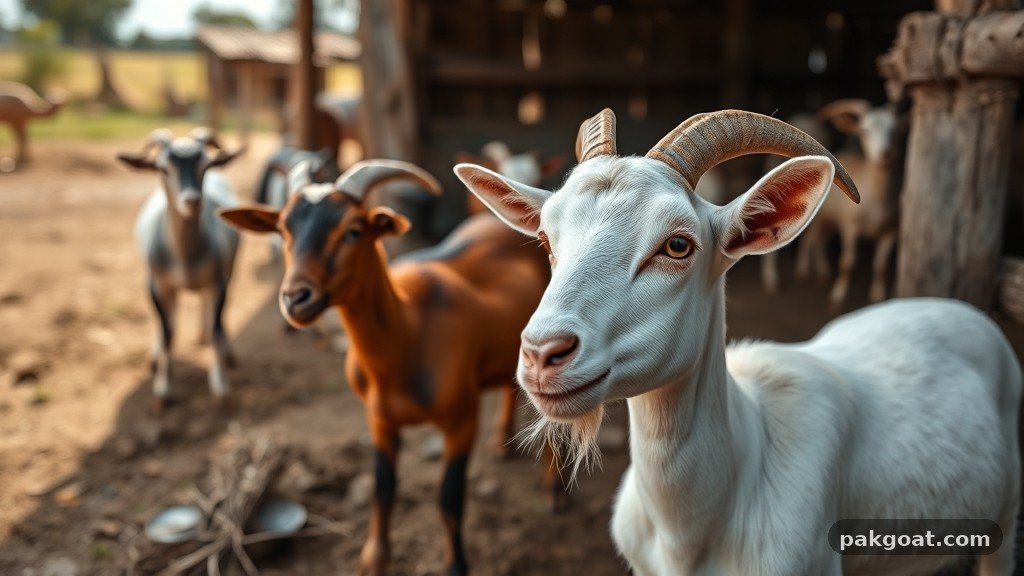
Starting a small scale goat farming operation requires more than just a passion for animals; it demands a clear understanding of infrastructure, breed selection, and market demand. Whether you are aiming for milk production, meat sales, or simply managing brush on a property, the foundational steps remain consistent for every producer. By focusing on efficient space utilization and animal health, you can build a sustainable venture that generates consistent value.
The primary financial consideration for anyone entering this sector is the initial startup cost, which typically ranges from $2,000 to $5,000 for a small herd of three to five starter does. This estimate covers basic fencing, a modest shelter, initial veterinary supplies, and the purchase of quality livestock.
While you can certainly spend more on premium breeding stock or automated milking equipment, these figures represent the realistic entry point for a hobbyist or a micro-producer. Ongoing operational costs, including feed, minerals, and routine medical care, usually fluctuate between $150 and $300 per goat annually, depending on your local access to forage and hay.
Understanding Space Requirements and Land Management
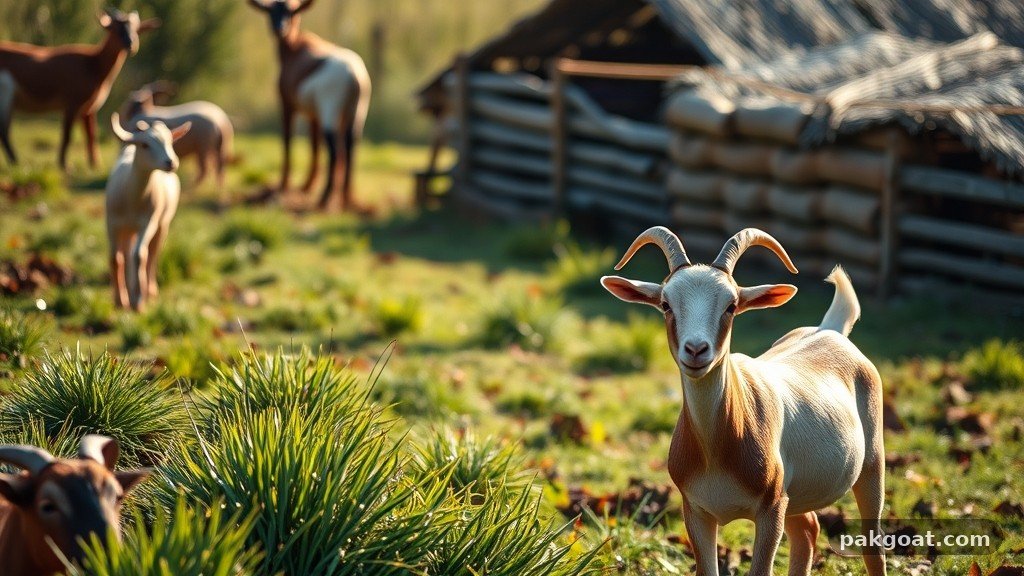
A common misconception is that you need vast acreage to maintain a healthy herd. In reality, goats are highly efficient browsers that thrive on diverse vegetation rather than simple grass pastures.
You can comfortably house six to eight goats per acre if you implement a rotational grazing system that prevents overgrazing and parasite buildup. Managing your land in this way ensures that the goats always have access to fresh forage while allowing previously grazed areas time to recover.
Fencing represents the most significant infrastructure expense for your project. Goats are notorious for testing boundaries, so you must invest in high-tensile woven wire fencing at least 48 inches high.
Avoid standard cattle panels or barbed wire, as these can lead to entanglement or allow smaller goats to squeeze through gaps. A well-constructed fence is the single best investment you can make to prevent predator attacks and keep your herd contained.
Selecting the Right Breed for Your Goals
Your choice of breed should align directly with your end products, whether that is dairy, fiber, or meat. Dairy breeds like the Nubian or Alpine are prized for their high milk yield and butterfat content, making them ideal for artisanal cheese production.
If your focus is meat production, the Boer goat remains the industry standard due to its rapid growth rate and heavy muscling. For those interested in fiber, the Angora or Cashmere breeds offer a high-value product that can be processed and sold to textile crafters.
It is often beneficial to start with a “dual-purpose” or crossbred animal if you are still learning the ropes. These goats are typically more resilient and possess a hybrid vigor that makes them less susceptible to common health issues.
Always source your initial animals from reputable breeders who provide health records and testing for diseases like Caprine Arthritis Encephalitis (CAE). Buying from a farm with a transparent health history significantly reduces the risk of introducing costly illnesses into your herd.
Essential Nutrition and Mineral Supplementation
Goats have unique digestive systems that require a careful balance of roughage and specific minerals. While they enjoy grazing, they are technically browsers that prefer leaves, shrubs, and weeds over lush pasture grass.
Providing high-quality hay is mandatory during winter months or when forage availability is low. Ensure that your hay is free from mold and dust to prevent respiratory issues, which are common in poorly ventilated goat barns.
Mineral deficiency is a silent killer in many small herds. Unlike other livestock, goats require a specific loose mineral supplement designed for their species, rather than a generic sheep or cattle block.
Copper deficiency, in particular, can lead to poor coat condition, reproductive failure, and increased vulnerability to parasites. You should provide a dedicated mineral feeder that stays dry, allowing the animals to self-regulate their intake based on their individual needs.
| Cost Category | Estimated Startup Cost | Annual Maintenance |
|---|---|---|
| Livestock Purchase | $800 – $1,500 | $0 |
| Fencing/Shelter | $1,000 – $2,500 | $100 – $200 |
| Feed and Minerals | $200 | $600 – $1,200 |
| Vet Care/Supplies | $100 – $300 | $200 – $500 |
Managing Herd Health and Parasite Control
Parasite management is the most challenging aspect of maintaining a healthy herd. The Haemonchus contortus, or barber’s pole worm, is a major threat that can cause anemia and death if left unchecked.
You should learn to perform a FAMACHA eye-score check, a simple method of evaluating the color of the inner eyelid to determine if a goat is anemic. By only deworming the animals that actually need it, you prevent the development of drug-resistant parasites on your property.
Regular hoof maintenance is another non-negotiable task. Goats kept on soft or damp ground will experience rapid hoof growth, which can lead to lameness and foot rot. You should plan to trim hooves every six to eight weeks using high-quality hoof trimmers.
Keeping a basic medical kit on hand, including electrolytes, antiseptic spray, and a thermometer, will allow you to address minor issues before they escalate into emergencies. For comprehensive information on herd management, refer to the eXtension Livestock and Poultry portal for science-based resources.
Marketing Your Goat Products
Once your herd is established, you must develop a strategy for selling your output. Small-scale producers often find the most success by selling directly to local consumers rather than through traditional livestock auctions.
Artisanal goat milk soap, for example, has a high profit margin and can be sold at farmers’ markets or through online platforms. If you are raising meat goats, marketing them for ethnic holidays can command a premium price compared to standard market rates.
Networking with local chefs and specialty grocery stores can also provide a steady outlet for high-quality products. Consistency is key; if you promise a customer a certain amount of milk or meat, you must have the systems in place to deliver on that promise.
Building a brand based on transparency and animal welfare often justifies higher prices in the local market. Document your farm’s practices, as modern consumers are increasingly interested in the origin and treatment of their food.
The Seasonal Calendar for Small Producers
Operating a farm requires a strict adherence to a seasonal schedule to keep production moving smoothly. Spring is typically the time for kidding, which demands 24-hour supervision to ensure both the doe and the kids are healthy.
Summer is focused on pasture management and hay production, ensuring that your winter feed supply is secured before the frost sets in. Autumn is the breeding season for many breeds, requiring you to manage your bucks separately to ensure controlled birthing cycles.
Winter is the time for maintenance and planning. Use these months to repair fences, update your financial records, and evaluate the productivity of your individual animals.
Culling unproductive or chronically ill goats is a difficult but necessary part of keeping a profitable herd. By tracking each animal’s performance, you can make informed decisions about which goats to keep and which to replace, gradually improving the overall quality of your genetics.
Common Questions About Goat Farming
Is a small goat farm profitable?
Profitability depends entirely on your business model and your ability to minimize input costs. While selling raw milk or feeder kids usually yields thin margins, value-added products like cheese, soap, or registered breeding stock can be quite lucrative.
How much does a starter goat cost?
You can expect to pay anywhere from $150 for a commercial grade kid to over $500 for registered breeding stock with strong genetic lines. Prices fluctuate based on the breed, the animal’s age, and the reputation of the breeder.
What are the best breeds for beginners?
Nigerian Dwarf goats are excellent for beginners because of their manageable size and friendly temperament. If you prefer a larger animal, Nubians are well-loved for their dual-purpose utility and high milk production.
How much land do I need for 10 goats?
While you can keep 10 goats on as little as 1.5 acres with intensive management, having 3 to 5 acres is much more sustainable. This extra space allows for better rotation and reduces the pressure on your soil and forage.
How often do I need to milk a goat?
If you are milking for home use or small-scale sales, you will need to milk your does twice daily for maximum production. Some producers choose to milk once a day, though this will significantly reduce the total volume of milk you receive.
Building a Sustainable Future
Achieving long-term success with small scale goat farming requires a commitment to continuous learning and adaptation. You will face challenges ranging from unexpected weather events to health crises, but these are part of the learning process. By starting with a manageable number of animals, prioritizing infrastructure, and focusing on high-quality outputs, you create a foundation that can grow alongside your experience.
The most successful producers are those who treat their farm as a business, keeping detailed records of expenses, breeding dates, and medical treatments. Always prioritize the welfare of your herd, as healthy, stress-free goats are significantly more productive and easier to manage.
As you gain confidence, you can explore new market opportunities and refine your practices to maximize efficiency. Stay curious, stay organized, and enjoy the rewarding process of working with these intelligent animals.
