

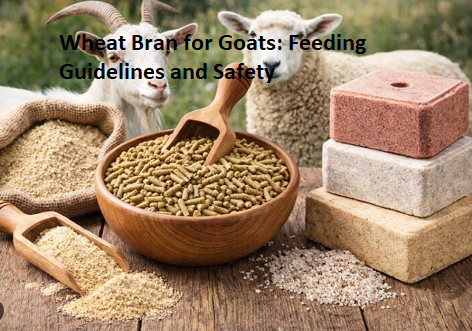
Feeding wheat bran for goats is a topic that sparks frequent debate among livestock owners and small-scale farmers. While many producers view this byproduct as a convenient, palatable energy source, others worry about its specific mineral profile and potential impact on long-term health.
Understanding how to integrate this feedstuff into a balanced diet requires looking at the nutritional chemistry of the grain itself. You will gain a clearer picture of whether this supplement fits your herd’s management strategy by examining its phosphorus content and calcium-to-phosphorus ratios.
The short answer is that while goats can safely consume small amounts of wheat bran, it is rarely the ideal primary grain source for a healthy herd. Because it is exceptionally high in phosphorus and low in calcium, feeding it as a staple can lead to serious metabolic issues like urinary calculi, particularly in bucks and wethers. If you choose to offer it, it should be treated as an occasional treat or a minor ingredient in a larger, balanced ration rather than a significant daily component.
Understanding the Nutritional Profile
Wheat bran consists of the outer layer of the wheat kernel, which is removed during the milling process. It is highly fibrous and contains a decent level of protein, usually hovering around 14% to 16%. Despite these seemingly attractive numbers, its mineral makeup is what dictates its suitability for ruminants.
The most critical concern is the phosphorus-to-calcium ratio. Wheat bran is very high in phosphorus, which is necessary for growth but harmful when not balanced correctly with calcium.
In a healthy goat diet, you want a calcium-to-phosphorus ratio of at least 2:1. Wheat bran often flips this, providing significantly more phosphorus than calcium, which can interfere with bone development and cause mineral imbalances.
Risks of Urinary Calculi
Urinary calculi, or “water belly,” is a painful and often fatal condition caused by the formation of mineral stones in the urinary tract. This happens when the diet contains an improper balance of minerals, specifically an excess of phosphorus relative to calcium. Because wheat bran is such a potent source of phosphorus, feeding it in large quantities creates the perfect environment for these stones to develop.
Bucks and wethers are at the highest risk because they have long, narrow urethras that are easily blocked by even tiny mineral deposits. Once a blockage occurs, the bladder can rupture, leading to a rapid decline in health. You should avoid feeding wheat bran to any male goat intended for long-term growth or as a pet, as the risk of a blockage is simply too high to justify the inclusion of this specific feed.
Comparison with Other Goat Grains
When you look at grain options for your herd, it is helpful to see how wheat bran stacks up against more traditional alternatives like oats or barley. While many people use oats as a standard, wheat bran is often used as a carrier for medications or as a “mash” for sick animals. The following table illustrates the common nutritional differences between these feedstuffs.
| Grain Type | Protein Content | Digestibility | Primary Risk |
|---|---|---|---|
| Whole Oats | 12-14% | High | Low |
| Barley | 11-13% | Medium | Bloat (if overfed) |
| Wheat Bran | 14-16% | High (as laxative) | Urinary Calculi |
Using Wheat Bran as a Occasional Supplement
Some producers find value in using wheat bran when a goat is recovering from an illness or experiencing digestive slowdowns. Because it is high in fiber and absorbs water, it can act as a gentle, natural laxative when mixed into a mash with warm water. This is particularly useful for does that have just given birth or animals that have been stressed by travel.
If you must use it for these specific, short-term situations, ensure the amount is strictly limited. A handful mixed into a bucket of water is usually sufficient to encourage hydration and provide a small energy boost without tipping the mineral balance of the animal’s entire day. Always check with your local veterinarian to ensure that this practice aligns with the specific nutritional needs of your region’s soil and forage.
The Importance of Forage-First Nutrition
Goats are ruminants designed to process high-fiber forage, such as pasture, hay, and browse. In any well-managed system, grain—including wheat bran—should only ever be a small supplement to a diet that consists of at least 80% to 90% forage. If your goats are getting enough high-quality alfalfa or grass hay, they likely do not need additional grain at all.
Focusing on forage ensures that the rumen functions at its peak, which is where most of the goat’s energy is derived. When you add too many concentrates like wheat bran, you risk acidifying the rumen, which can lead to issues like acidosis or founder. Prioritize the quality of your hay harvest before worrying about adding extra energy through grain supplements.
Essential Components of a Safe Goat Diet
To keep your herd healthy, you should focus on a few key pillars of nutrition that prevent the need for questionable additives. Beyond the basic forage requirements, mineral supplementation is the most important factor in preventing the health issues associated with high-phosphorus feeds. You can read more about these requirements at the University of Arkansas Division of Agriculture livestock portal.
* Free-choice loose minerals: Always provide a high-quality, goat-specific mineral mix that includes selenium and copper.
* Clean water: Goats will not eat enough if their water is stagnant or dirty, which is the first step in preventing urinary issues.
* Balanced protein: Ensure that your forage provides adequate protein, especially during lactation or late pregnancy.
* Limited concentrates: If you use grain, select options like whole oats or a commercial goat ration that is already balanced for the correct mineral ratios.
Managing Mineral Ratios
If you find that your goats are prone to urinary issues, your first step should be to evaluate your total diet for mineral imbalances. Even if you aren’t feeding wheat bran, other feeds like corn or soybean meal can also push phosphorus levels too high. You must ensure that you are providing a calcium supplement, such as limestone, to counteract high levels of phosphorus in the diet.
A proper mineral program is the best insurance policy against the risks posed by dietary errors. If you are unsure about the mineral content of your hay, you can send a sample to an agricultural laboratory for analysis. This data will tell you exactly what you need to add to your mineral feeder to keep your animals in balance.
What to Watch for in Your Herd
Monitoring your goats daily is the best way to catch potential nutritional issues before they become emergencies. Look for changes in appetite, coat condition, and energy levels, as these are often the first signs of a dietary imbalance. A goat that is standing hunched over, straining to urinate, or refusing to eat is a goat that needs immediate attention.
If you have been feeding wheat bran and notice these symptoms, remove the grain from the diet immediately and consult a professional. Do not attempt to treat a suspected urinary blockage with home remedies, as the window for intervention is often very small. Prevention through careful feed selection remains the most effective strategy for maintaining a healthy and productive herd.
Frequently Asked Questions
Can I feed wheat bran to nursing does?
While it can be used as a rare treat to help with hydration, it is not a recommended source of sustained energy for nursing does. You are better off providing high-quality alfalfa hay, which offers the necessary calcium for milk production without the risk of mineral imbalance.
Is it safe to mix wheat bran with molasses?
Mixing these two creates a very palatable “sweet feed” that many goats will devour, but it also increases the risk of overconsumption. Molasses adds sugar, which can disrupt rumen fermentation if fed in excess, and wheat bran adds the phosphorus risk, making this combination a poor choice for daily feeding.
How do I know if my goat has urinary calculi?
Common signs include restlessness, tail twitching, frequent posturing to urinate without success, and a swollen or distended abdomen. If you observe these behaviors, contact your veterinarian immediately, as this is a medical emergency that can lead to death within hours.
Are there better alternatives to wheat bran?
Yes, whole oats are widely considered the gold standard for supplemental grain in goats because they are high in fiber and have a much safer mineral profile. If you need to add energy to a goat’s diet, oats are generally safer and more digestible than wheat bran.
Should I soak wheat bran before feeding it?
Soaking it creates a mash, which is useful for sick animals that are not drinking enough or need to swallow medication. However, soaking does not change the mineral content of the bran, so the underlying risk of phosphorus overload remains regardless of how you prepare it.
Maintaining Long-Term Herd Health
The health of your goats depends on consistency and a deep understanding of their unique digestive needs. While wheat bran for goats is a common topic in agricultural circles, it rarely provides the nutritional value that outweighs its potential risks. By focusing on high-quality forage and a balanced, free-choice mineral program, you eliminate the need for risky supplements.
If you ever feel tempted to add a “quick fix” or a cheap byproduct to your feeding routine, take a moment to consider the long-term impact on your animals’ urinary and metabolic systems. Your herd will thrive when you prioritize their natural biological requirements over convenience. Reach out to local extension agents or experienced breeders if you want to refine your feeding program further, and always observe your animals closely to see how they respond to any changes in their diet.
