

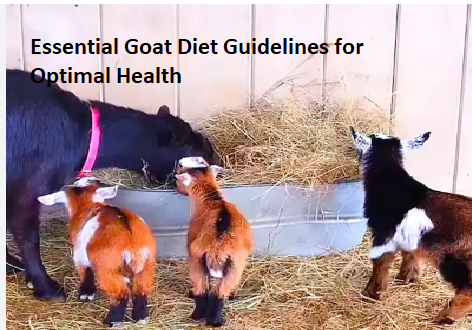
Understanding a balanced goat diet is the cornerstone of keeping a healthy, productive herd on your farm or homestead. Goats are complex ruminants with specific nutritional requirements that differ significantly from horses, sheep, or cattle. Providing the right mix of forage, minerals, and occasional concentrates ensures they remain resilient against common digestive issues.
Goats are browsers rather than grazers, meaning they prefer to eat leaves, shrubs, and woody plants over short grass. Their digestive systems are designed to process high-fiber, diverse vegetation throughout the day.
If you provide a diet consisting solely of short pasture grass, your goats will likely suffer from malnutrition or parasite infestations. You must prioritize high-quality hay and access to browse to keep them in peak condition.
Core Components of a Healthy Goat Diet
The foundation of any successful goat diet is high-quality forage. This should make up at least 70% to 80% of their daily intake.
Grass hay, such as orchard grass or timothy, provides the essential long-stem fiber required for proper rumen function. Legume hays like alfalfa are excellent for lactating does or growing kids because they are higher in protein and calcium.
You should avoid feeding moldy or dusty hay, as goats are highly susceptible to respiratory issues and listeriosis. Always keep hay in a raised rack to prevent it from being trampled into the bedding, where it becomes contaminated with feces. If the hay is on the floor, your goats will inevitably waste a large portion of it.
Water is perhaps the most overlooked element of a goat’s nutritional intake. A mature goat can drink between 2 and 4 gallons of water daily, depending on weather and lactation status.
If the water is dirty or stagnant, they will drink less, leading to a drop in milk production or the development of urinary calculi. Ensure their troughs are scrubbed clean at least once a week.
The Role of Minerals and Supplements
Goats require a specific mineral blend designed for their species to thrive. Unlike sheep, which are sensitive to copper, goats have a high physiological requirement for it.
You should provide a loose mineral mix specifically labeled for goats rather than a generic livestock block. Blocks are often too hard for goats to consume in sufficient quantities to meet their daily needs.
Salt is vital for maintaining electrolyte balance and hydration levels. Most quality goat mineral mixes include salt, but it is wise to keep a separate block of white salt available just in case. If you notice your goats fighting over the mineral feeder, you likely need to add a second station to ensure the lower-ranking members of the herd get their share.
Calcium and phosphorus balance is critical, especially for bucks and wethers. An improper ratio, often caused by feeding too much grain, leads to the formation of stones in the urinary tract.
This condition is frequently fatal in males. Always maintain a calcium-to-phosphorus ratio of at least 2:1 to prevent these painful blockages.
Understanding Concentrates and Grains
Many owners make the mistake of overfeeding grain, thinking it is the primary food source. In reality, grains should be treated as a supplement rather than a staple.
You only need to provide grain to goats that are pregnant, nursing, or working hard in cold weather. For a pet goat, grain is often unnecessary and can lead to obesity.
When you do feed grain, choose a high-quality, textured feed or a pelleted ration formulated for goats. Avoid feeding them “all-stock” or cattle feed, as these often contain urea, which is toxic to goats. The amount of grain should be strictly limited to prevent acidosis, a condition where the rumen becomes too acidic due to rapid fermentation of starch.
The following table provides a general guideline for grain supplementation based on the goat’s life stage. These figures are estimates and should be adjusted based on the individual animal’s body condition score.
| Goat Life Stage | Daily Grain Recommendation |
|---|---|
| Maintenance (Pet/Dry) | 0 lbs (Forage only) |
| Late Pregnancy | 0.5–1.0 lbs |
| Early Lactation | 1.0–2.0 lbs |
| Growing Kids (Weaned) | 0.25–0.5 lbs |
Toxic Foods to Avoid
It is vital to know which plants and household scraps are dangerous to your herd. While goats are curious and will taste almost anything, their systems cannot process certain toxins. You should regularly walk your pastures to identify and remove invasive or poisonous weeds.
Common plants that are toxic to goats include azaleas, rhododendrons, foxglove, and nightshades. Even some common garden vegetables, such as raw onions or large amounts of rhubarb leaves, can cause significant distress. If you are unsure about a specific tree or shrub in your pasture, consult a local agricultural extension office.
* Azaleas and Rhododendrons
* Oleander
* Lily of the Valley
* Milkweed
* Chokecherry leaves (especially when wilted)
* Excessive amounts of raw potatoes
Feeding Habits and Rumen Health
Goats are ruminants, possessing a complex four-compartment stomach. The rumen acts as a giant fermentation vat where microbes break down fiber into usable energy.
When you change their diet, you must do so slowly over 7 to 10 days. A sudden shift from hay to lush spring grass can cause “bloat,” which is a rapid, life-threatening accumulation of gas.
Observe your goats while they chew their cud. If they are lying down and chewing rhythmically, their rumen is functioning correctly.
If you notice a goat standing off by itself, lethargic, or grinding its teeth, it may be experiencing digestive discomfort. Early intervention with probiotics or consulting a veterinarian is essential for maintaining herd longevity.
The eXtension Foundation provides reliable resources on ruminant physiology and best practices for small ruminant husbandry. Familiarizing yourself with these professional standards will help you identify when a goat is struggling with its diet. Never assume that a sick goat will “work it out” on its own, as their condition can deteriorate within hours.
Seasonal Adjustments to the Diet
Your strategy for managing a goat diet must shift as the seasons change. In the spring, the primary concern is the flush of new, high-sugar grass.
This rapid growth can cause diarrhea and digestive upset in animals that are not used to it. Limit their time on fresh pasture during the first few weeks of the growing season.
Winter requires a different approach, as forage is scarce and energy needs increase due to cold temperatures. You will need to increase the amount of high-quality hay to keep them warm.
During extreme cold, providing a bit of extra grain can help them maintain their body weight. Always ensure they have access to warm, unfrozen water, as they will drink significantly less if the water is icy.
Autumn is the time to assess body condition scores before the winter sets in. If a goat is underweight going into the cold season, it will struggle to maintain its health. You may need to separate thinner goats to provide them with extra calories without the competition of the rest of the herd.
Common Mistakes in Goat Management
One of the most frequent errors is assuming that goats can thrive on table scraps. While they might enjoy a carrot or an apple, feeding them bread, crackers, or processed snacks is detrimental.
These items lack the fiber necessary for rumen health and can lead to metabolic diseases. Stick to natural, plant-based nutrition to avoid long-term issues.
Another mistake is failing to monitor body condition scores regularly. It is easy to miss subtle weight loss under a thick winter coat.
You should physically handle your goats every two weeks to feel their spine and ribs. If the spine feels sharp and prominent, the goat is not getting enough nutrition and requires an immediate diet review.
Overcrowding the feeding area is also a major oversight. Goats have a strict pecking order, and if there isn’t enough space at the feeder, the dominant goats will eat everything while the younger ones go hungry.
Provide at least 18 to 24 inches of feeder space per goat to prevent competition. This ensures that every animal gets its fair share of nutrients throughout the day.
Frequently Asked Questions
How can I tell if my goat is getting enough nutrients?
You can monitor their body condition score, which involves feeling the amount of flesh over the ribs and spine. A healthy goat should have a layer of fat over these bones; if the bones are very sharp to the touch, your goat is likely underfed. Additionally, look for a shiny coat, clear eyes, and active behavior.
Is it necessary to provide grain every single day?
No, grain is not a mandatory part of a healthy diet for most goats. It is only required for high-production needs, such as heavy lactation or growth phases. If your goats are just pets or are not currently milking, they will likely do perfectly fine on high-quality hay, browse, and minerals.
Why is copper important for goats?
Copper is essential for a goat’s immune system, coat health, and reproductive function. Unlike sheep, which are highly sensitive to copper toxicity, goats have a relatively high tolerance and need it to prevent deficiencies. A deficiency often manifests as a dull, “fish-tail” coat and poor growth rates in kids.
What should I do if my goat gets into the grain bin?
Accidental overconsumption of grain is a medical emergency because it leads to rapid fermentation and severe acidosis. Contact your veterinarian immediately, as they may recommend giving the goat baking soda or other treatments to neutralize the rumen pH. Keep your grain storage securely locked to prevent this from happening in the first place.
Can goats eat lawn clippings?
It is generally best to avoid feeding lawn mower clippings to goats. The clippings can contain toxic ornamental plants, pesticides, or fertilizers that are not safe for consumption. Furthermore, grass that has been cut and left to sit in a pile can quickly ferment or harbor mold, which can cause severe digestive illness.
Maintaining Long-Term Herd Health
A consistent goat diet is the most effective preventative medicine you have. By focusing on high-fiber forage, appropriate mineral supplementation, and clean water, you eliminate the vast majority of common health issues. Take the time to observe your animals and understand their specific needs during different life stages.
Keep records of your feeding schedule and any changes you make to their rations. When you notice a decline in health, the first place to look is always the diet.
Small adjustments, such as increasing hay quality or adjusting mineral access, often resolve issues before they require a veterinarian. Your commitment to proper nutrition will pay off in a vibrant, productive, and healthy herd for years to come.
