

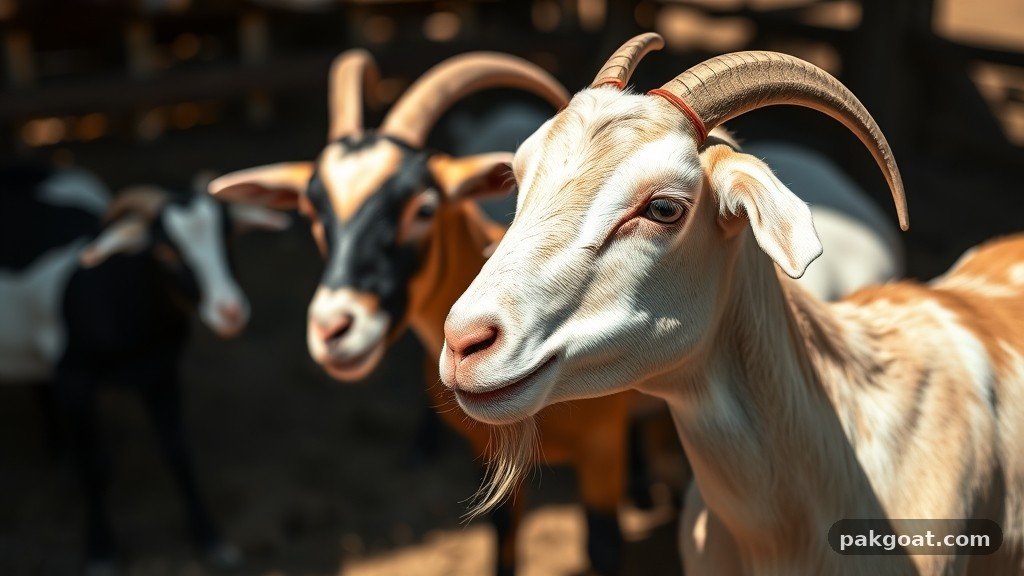
Establishing a goat farming business offers a pathway into a versatile and increasingly high-demand sector of agriculture. Whether you focus on meat production, dairy, or fiber, goats provide a unique opportunity for small-scale and commercial farmers alike. This venture requires a solid understanding of animal husbandry, market dynamics, and land management.
As global demand for goat products rises, particularly in ethnic markets and health-conscious communities, the potential for steady revenue grows. This article examines the financial realities, operational requirements, and strategic planning necessary to build a successful enterprise in the modern agricultural market.
Profitability and Land Requirements for a Goat Farming Business
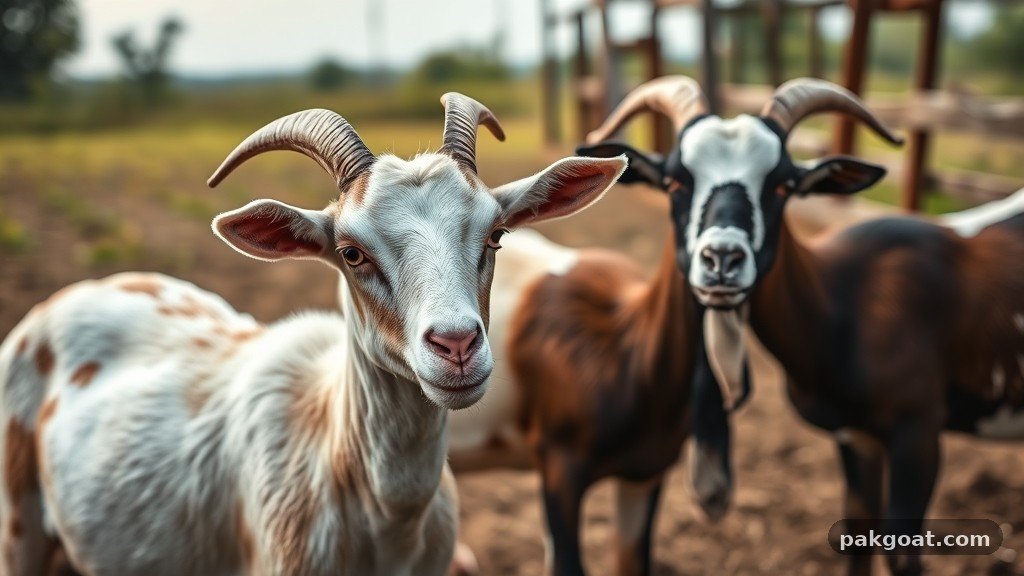
The profitability of a goat farming business depends heavily on your management style and the specific market niche you target. On average, a well-managed commercial operation can see profit margins between 15% and 25%. Meat goats, particularly the Boer breed, are often the most straightforward path to revenue because they reach market weight quickly.
You can typically sell a 60-to-80-pound kid for $150 to $300, depending on the local demand and time of year. Dairy operations often have higher margins but require significantly more daily labor and specialized equipment.
Land is your most critical asset and determines the ceiling for your herd size. For a standard goat farming business, you generally need one acre of high-quality pasture for every 6 to 8 goats. If the land is brushy or wooded, you might need more space per animal to ensure they receive adequate nutrition.
To raise 100 goats comfortably, plan for at least 12 to 15 acres of managed pasture. This allows for rotational grazing, which is vital for parasite control and soil health.
Operating on a larger scale requires a proportional increase in acreage. For a herd of 1,000 goats, you would need approximately 125 to 150 acres of productive land. This scale allows you to leverage wholesale markets and reduce per-head costs for feed and veterinary care.
However, the initial capital for such an expansive land purchase is a significant barrier. Many successful farmers start with a smaller herd and lease additional land as their revenue stabilizes.
Initial Investment and Startup Costs
Launching a goat farming business requires a clear budget for infrastructure, livestock, and initial operating expenses. Your largest upfront costs will likely be fencing and the purchase of your foundation herd. High-quality breeding does can cost anywhere from $200 to $500 each, while a superior buck can exceed $1,000.
It is often better to invest in fewer, higher-quality animals than to buy a large number of low-grade livestock. This ensures better genetics and higher productivity from the start.
Fencing is a non-negotiable expense that keeps your investment safe and contained. Goats are notorious for escaping, so you must use woven wire or high-tensile electric fencing. Expect to pay between $2.00 and $5.00 per linear foot for professional-grade fencing materials and installation.
Housing does not need to be elaborate, but it must be dry and draft-free. A simple three-sided shed is often sufficient for meat goats, while dairy goats require more sterile, enclosed environments.
The following table outlines the estimated startup costs for two different scales of operation. These figures are estimates and can vary based on your geographic location and existing infrastructure.
| Expense Category | Small Scale (20 Goats) | Commercial Scale (100 Goats) |
|---|---|---|
| Livestock Purchase | $5,000 – $7,000 | $25,000 – $35,000 |
| Fencing & Gates | $2,500 – $4,000 | $12,000 – $18,000 |
| Shelter & Housing | $1,500 – $3,000 | $8,000 – $15,000 |
| Feeding Equipment | $500 – $1,000 | $3,000 – $5,000 |
| Initial Feed & Meds | $800 – $1,200 | $4,000 – $6,000 |
| Total Estimated Startup | $10,300 – $16,200 | $52,000 – $79,000 |
Selecting the Right Breeds for Your Market
Choosing the correct breed is the foundation of your goat farming business strategy. If your primary goal is meat production, the Boer goat is the industry standard due to its rapid growth and high carcass yield. These goats were developed in South Africa and have a distinct white body with a brown head.
Other meat options include the Kiko, which is known for its hardiness and resistance to parasites. Many producers crossbreed Boers and Kikos to get the best of both worlds: size and survivability.
Dairy production requires breeds that prioritize milk volume and butterfat content. The Saanen is the heavy hitter of the dairy world, often referred to as the “Holstein of goats.” They produce the highest volume of milk, though it typically has a lower butterfat percentage.
For those interested in cheese making, the Nubian or the Nigerian Dwarf might be better choices. Nubians are famous for their long ears and high-fat milk, which yields more cheese per gallon.
Fiber production is a more specialized niche within the goat farming business. Angora goats produce mohair, a silky fabric that commands a premium price in the textile industry. Cashmere goats produce a fine undercoat that is harvested once a year.
These breeds require more intensive grooming and protection from the elements compared to meat or dairy goats. Your choice should align with the specific buyers available in your region.
- Meat Breeds: Boer, Kiko, Spanish, Savanna.
- Dairy Breeds: Saanen, Alpine, Nubian, LaMancha, Toggenburg.
- Fiber Breeds: Angora, Cashmere.
- Dual-Purpose: Nubian (Milk and Meat), Pygmy (Pets and Meat).
Nutrition and Feeding Strategies
Feeding is the largest recurring expense in any goat farming business. Goats are browsers, meaning they prefer to eat brush, weeds, and the tops of plants rather than just grass. A diverse pasture is the most cost-effective way to meet their nutritional needs.
During the winter or in dry seasons, you must supplement their diet with high-quality hay. Alfalfa is excellent for lactating does, while grass hay is usually sufficient for dry does and meat bucks.
Protein and minerals are the two pillars of goat health. Most goats require a diet consisting of 12% to 16% crude protein, depending on their life stage. Kids and pregnant does have the highest protein requirements to support growth and milk production.
You must also provide a loose mineral supplement specifically formulated for goats. Sheep minerals are not sufficient because they lack the copper that goats need to maintain their immune systems and coat health.
Grain should be used sparingly as a supplement rather than a primary food source. Overfeeding grain can lead to serious health issues like urinary calculi in bucks or bloat in the entire herd. It is best used to “flush” does before breeding to increase the twinning rate.
This involves increasing their caloric intake for a few weeks to signal to their bodies that resources are plentiful. This strategy can significantly boost the number of kids born each season.
Health Management and Disease Prevention
A successful goat farming business prioritizes prevention over treatment. Parasites, particularly the Haemonchus contortus (barber pole worm), are the leading cause of death in domestic goats. These parasites thrive in warm, moist environments and can quickly cause anemia and death.
You must implement a regular deworming schedule based on fecal egg counts rather than a calendar. This prevents the parasites from developing resistance to the medications you use.
Biosecurity is your first line of defense against infectious diseases. When you bring new goats into your herd, quarantine them for at least 30 days. This allows you to observe them for signs of illness like sore mouth, foot rot, or respiratory issues.
It is also the time to test for chronic diseases like Caprine Arthritis Encephalitis (CAE) and Johne’s Disease. These conditions are incurable and can devastate your herd’s productivity if they spread.
Vaccinations are a low-cost insurance policy for your livestock. The most common vaccine is the CDT shot, which protects against Clostridium perfringens types C and D and Tetanus. Does should be vaccinated about four weeks before kidding so they can pass immunity to their offspring through the colostrum.
For more detailed information on livestock health standards, the USDA APHIS provides comprehensive resources for producers. Regular hoof trimming is also necessary to prevent lameness and infections like foot scald.
Infrastructure and Essential Equipment
The infrastructure of your goat farming business must be designed for efficiency and animal safety. Handling facilities are often overlooked by beginners but are essential for routine tasks. You need a way to catch and restrain individual goats for vaccinations, hoof trimming, or milking.
A simple head gate or a specialized goat stand can save hours of labor and reduce stress for both the animals and the farmer. If you have a large herd, a sorting alley is a worthwhile investment.
Watering systems must be reliable and easy to clean. Goats are very picky about their water and will often refuse to drink if the trough is dirty. Automatic waterers are convenient, but they must be checked daily for malfunctions or freezing in winter.
If you are using manual troughs, place them on a raised platform to keep goats from defecating in them. Clean water is the most important nutrient you can provide, as it directly impacts digestion and milk volume.
Storage is another critical component of your farm layout. You need a dry, rodent-proof space to store hay and grain. Damp hay can develop mold, which is toxic to goats and can cause listeriosis.
Additionally, you should have a dedicated “maternity ward” or kidding pens. These small, individual stalls allow does to bond with their kids in a safe environment during the first few days after birth. This reduces the risk of rejection and allows you to monitor the health of the new family.
Marketing and Selling Your Products
To make a goat farming business thrive, you must identify your buyers before the kidding season begins. For meat producers, ethnic holidays are the most lucrative times to sell. Markets for Easter, Eid al-Adha, and Christmas often see a spike in demand and prices.
Building relationships with local butchers or ethnic grocery stores can provide a consistent outlet for your livestock. Some farmers also sell directly to consumers who want to know exactly how their food was raised.
Dairy producers have different marketing challenges due to strict regulations. Selling raw milk is illegal in many jurisdictions, so you may need to invest in pasteurization equipment. Alternatively, you can process the milk into value-added products like cheese, yogurt, or goat milk soap.
These products have a longer shelf life and can be sold at farmers’ markets or through online platforms. Branding is vital here; consumers are often willing to pay a premium for artisanal, farm-fresh products.
Livestock auctions are a fallback option, but they rarely yield the highest profits. At an auction, you are at the mercy of whoever shows up that day and the current market fluctuations. It is generally better to sell “private treaty,” where you negotiate the price directly with the buyer.
This is especially true for registered breeding stock. If you have goats with excellent genetics and show records, you can sell them for significantly more than their market meat value.
Scaling and Long-Term Operations
Scaling a goat farming business requires a shift from hands-on labor to systems management. When you move from 20 goats to 200, you can no longer know every animal by name. You must rely on robust record-keeping software to track birth dates, weight gains, and medical histories.
This data allows you to identify your most productive does and cull those that are costing you money. Efficiency becomes the name of the game as your herd grows.
Labor is often the biggest bottleneck when scaling. Goats require daily attention, and as the numbers increase, you may need to hire part-time or full-time help. This is particularly true during the kidding season, when complications can arise at any hour of the night.
Mechanizing as much as possible, such as using tractors for hay distribution or automatic milking systems, can help manage labor costs. However, technology requires its own maintenance and capital investment.
Sustainable growth also means managing your land with a long-term perspective. Overgrazing can destroy a pasture’s productivity for years and lead to a massive spike in parasite loads. You must be disciplined about rotating your herd and allowing pastures to rest and regrow.
As your goat farming business matures, you might consider diversifying into other areas, such as goat rental for brush clearing. This can provide an additional revenue stream while reducing your own feed costs.
Frequently Asked Questions
Is owning a goat farm profitable?
Yes, a goat farm can be profitable if you manage your input costs and target high-demand markets. Success often depends on minimizing feed costs through pasture management and maximizing the number of kids born and raised to market weight each year.
How many acres do you need to raise 100 goats?
For a herd of 100 goats, you typically need between 12 and 15 acres of high-quality, managed pasture. If the land is poor or you do not practice rotational grazing, you may need 25 acres or more to prevent overgrazing and parasite issues.
How much land is needed for 1000 goats?
A commercial operation with 1,000 goats generally requires 125 to 150 acres. This scale requires intensive management and likely supplemental feeding, as it is difficult for a single contiguous pasture to support that many animals year-round without degradation.
How many goats does it take to clear 1 acre?
To clear an acre of heavy brush and weeds in a single season, you would need approximately 8 to 12 goats. They are highly effective at removing invasive species like blackberry briars and English ivy, making them valuable for land management services.
Final Thoughts on the Goat Farming Business
Building a goat farming business is a rewarding pursuit that combines traditional agricultural skills with modern entrepreneurial strategy. Success in this field requires more than just a love for animals; it demands a disciplined approach to financial planning, health management, and market research.
By selecting the right breeds and maintaining high standards of care, you can create a sustainable operation that meets the growing demand for goat products. The initial years involve significant learning and capital investment, but the long-term potential for a stable income is significant.
As you move forward, focus on starting small and mastering the basics of herd health and pasture management. This foundation will allow you to scale your goat farming business with confidence as you identify the most profitable niches in your local area.
Stay connected with agricultural extensions and fellow producers to keep up with the latest industry trends. With persistence and careful management, your farm can become a cornerstone of your local agricultural community.
