

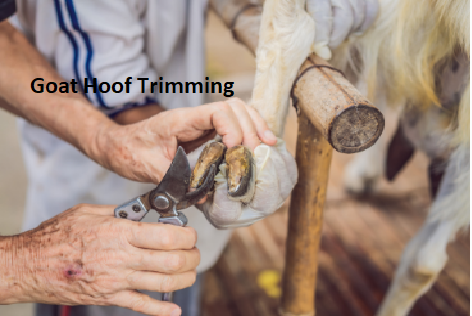
Maintaining healthy feet is one of the most critical aspects of responsible caprine husbandry. Proper goat hoof trimming prevents painful deformities, reduces the risk of infection, and ensures your animals remain mobile and productive throughout their lives. Without regular attention, the hoof wall can grow excessively, trapping debris and leading to severe lameness or permanent skeletal damage.
Whether you manage a small herd of dairy goats or keep a few companions in the backyard, understanding the mechanics of foot care is an essential skill. This article provides the technical knowledge and practical steps required to manage your goats’ hooves safely and effectively.
Routine maintenance is the primary answer to the question of how often you should perform goat hoof trimming. Most healthy goats require their hooves trimmed every six to eight weeks, depending on their living environment and diet. Goats kept on hard, rocky terrain often wear their hooves down naturally, whereas those living on soft pasture or in stalls experience rapid, uneven growth.
You should inspect the feet monthly to determine if the walls have curled under the sole or if the toes have become excessively long. If you notice a goat limping or shifting its weight frequently, it is likely time for an immediate trim.
The Anatomy of a Goat Hoof
Understanding the structure of the foot is vital before you pick up any tools. A goat’s hoof consists of two main digits, each protected by a hard, keratinous outer wall. The bottom of the hoof, known as the sole, is softer and prone to trapping mud, manure, and small stones.
Between the two toes lies the interdigital space, which is a common site for bacterial growth and foot rot. The sensitive inner tissue, or the “quick,” contains blood vessels and nerves that run deep into the hoof capsule.
When you begin the trimming process, your goal is to restore the hoof to a flat, level surface that allows the goat to stand naturally. You are not looking to remove large chunks of healthy tissue but rather to trim the overgrown wall until it is level with the sole.
Be aware that the quick grows forward as the hoof grows long. If you attempt to cut back too much in one session, you risk hitting this sensitive area, causing bleeding and pain.
Essential Tools for Foot Care
Investing in high-quality equipment makes the job significantly easier and safer for both you and the animal. You do not need a vast array of expensive machinery, but you do need tools that are sharp, ergonomic, and designed specifically for caprine anatomy.
Using dull blades often requires excessive force, which can lead to slips and accidental cuts. Always keep a sharpening stone or a file handy to maintain the edge of your blades between sessions.
- Hoof shears: These are the primary tools used for cutting the overgrown wall; look for a pair with a comfortable grip and a locking mechanism.
- Hoof knife: This is used for clearing debris and paring away soft, necrotic sole tissue from the crevices of the hoof.
- Hoof rasp: A flat, metal file used to smooth out the edges of the wall and create a perfectly level surface after trimming.
- Antiseptic spray: Keep a bottle of copper naphthenate or a similar hoof treatment nearby to prevent infection if you accidentally nick the quick.
- Sturdy stand: A milking stand or a dedicated hoof-trimming station helps restrain the goat and keeps the limb at a manageable working height.
The Step-by-Step Trimming Process
Start by securing the goat on a stand or in a pen where it cannot move erratically. Lift the leg and clean the hoof thoroughly using your hoof knife to remove all caked-on dirt and manure.
Once the surface is clear, inspect the hoof for any signs of rot, such as a foul odor or black, mushy tissue. If the hoof is healthy, place your shears against the outer wall and begin by trimming the overgrown edges.
Work in small, thin slices rather than attempting to remove large sections at once. As you trim, you will see the white, chalky appearance of the hoof wall give way to a darker, more dense material.
Stop immediately if you see a pink or red dot appearing in the center of the sole, as this indicates you are dangerously close to the quick. After the wall is flush with the sole, use the rasp to file down any remaining high spots until the hoof sits flat against a level surface.
Managing Hoof Health and Environment
Environmental factors play a massive role in how frequently your animals need care. Goats are naturally adapted to dry, mountainous regions where hard surfaces keep their hooves worn down.
In domestic settings, especially in wet climates, the hoof wall softens and grows at an accelerated rate. Providing a dry, well-drained area for your goats to stand can significantly reduce the frequency of necessary maintenance.
You can also influence foot health through the nutritional profile of your herd’s diet. A diet deficient in zinc or biotin can lead to brittle or soft hooves that are more susceptible to splitting and infection.
Ensure your goats have access to a high-quality mineral supplement designed for caprine use. For more information on maintaining herd health, you can consult the eXtension Foundation database for resources on small ruminant management.
Comparing Trimming Intervals
The following table illustrates the typical maintenance requirements based on the housing environment. These estimates are based on general observations of herd management practices and can vary based on individual goat activity levels.
| Housing Environment | Trimming Frequency | Risk of Overgrowth |
|---|---|---|
| Rocky/Dry Pasture | Every 10–12 weeks | Low |
| Standard Grass Pasture | Every 6–8 weeks | Moderate |
| Stalled/Wet Conditions | Every 4–6 weeks | High |
Recognizing Signs of Trouble
Ignoring the condition of a goat’s feet often leads to more than just discomfort. Overgrown hooves can twist the alignment of the pastern, putting unnecessary strain on the tendons and joints.
In severe cases, the hoof may curl over the sole, creating a “slipper” effect that makes walking difficult and painful. This condition is not just a cosmetic issue; it significantly alters the animal’s posture and gait.
Look for signs of foot rot, which is a contagious infection caused by bacteria in the soil. Symptoms include redness, swelling, and a distinct, pungent odor emanating from the interdigital space.
If you notice a goat favoring one leg, check the hoof immediately for foreign objects like thorns or stones. Prompt intervention is the best way to prevent a minor issue from becoming a chronic, expensive health problem for your herd.
Safety Considerations for the Handler
Working with goats can be physically demanding, especially if the animals are not used to being handled. Always prioritize your own safety by wearing sturdy boots and working in a space where you have adequate room to move.
If a goat is particularly skittish, consider using a halter to keep its head steady while you focus on the feet. Never try to force a large goat into a position that puts your own back or joints at risk.
If you are new to the process, ask an experienced breeder to demonstrate the technique for you. Watching someone else identify the quick and handle the shears provides a level of confidence that written instructions cannot match.
Start with your calmest, most docile goats to get a feel for the resistance of the hoof wall. Once you have mastered the angle and the pressure required, you will find that the process becomes a routine part of your husbandry schedule.
Common Questions About Foot Care
How much does it cost to have a professional do it?
Professional farriers or livestock technicians typically charge between $15 and $30 per goat. Costs vary significantly depending on your location and the number of animals in your herd.
Can I trim goat hooves myself?
Yes, most owners can easily learn to trim hooves with the right tools and a bit of practice. It is a highly recommended skill that saves money and allows you to monitor your goats’ health more closely.
What happens if I don’t trim a goat’s hooves?
If left untrimmed, the hoof wall will continue to grow and eventually curl under the sole, causing significant pain and lameness. This can lead to permanent skeletal deformities, joint issues, and an increased risk of severe foot rot.
Should I trim the hooves of a goat that is limping?
You should inspect the hoof immediately to rule out an injury or a foreign object. If the lameness is caused by overgrowth, a gentle trim can provide relief, but do not cut too deep if the tissue is inflamed or painful.
Is it normal for the hoof to bleed during trimming?
Bleeding is not normal and indicates that you have cut into the quick. If this happens, apply pressure with a clean cloth, use a styptic powder to stop the flow, and ensure the area is kept clean to prevent infection.
Final Thoughts on Maintenance
Consistent attention to your animals’ feet is a hallmark of good stewardship. By integrating goat hoof trimming into your regular management cycle, you ensure that your herd remains comfortable and agile. Whether you are maintaining a small hobby farm or a larger operation, the health of your goats depends on your ability to monitor and manage their physical needs.
Start slowly, invest in the right tools, and keep a close eye on how your environment affects hoof growth. With patience and practice, you will find that maintaining healthy hooves becomes a straightforward task that strengthens the bond between you and your animals. If you stay diligent and proactive, you will avoid the common pitfalls of neglect and keep your goats thriving for years to come.
