

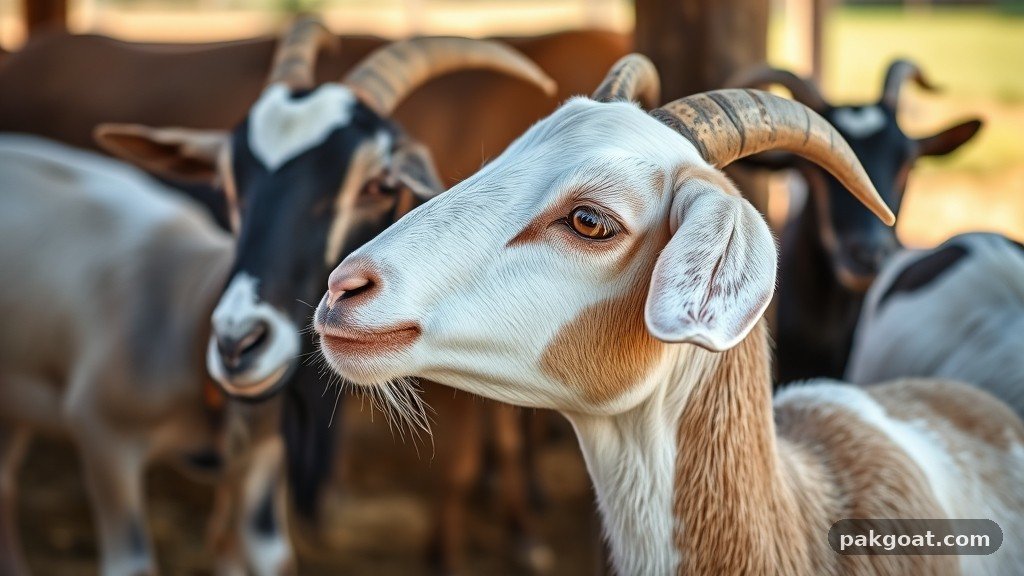
Goat rearing offers a highly versatile pathway for agricultural productivity, whether you are aiming for milk production, meat yield, or vegetation management. Success in this field requires a balance of nutritional management, secure housing, and consistent health monitoring to ensure your herd thrives in its specific environment.
By focusing on breed selection and infrastructure before purchasing your first animals, you can mitigate common operational risks. This article provides a grounded look at the essential requirements and management strategies necessary for building a sustainable, long-term enterprise through goat rearing.
The most common question for beginners is how many animals they should start with, and the answer is usually two to three goats. Goats are herd animals by nature, meaning they experience significant stress and poor health if kept in isolation.
Starting with a small group allows you to manage costs while learning the specific behavioral needs of your breed without overwhelming your resources. You should aim to keep at least two, as this social bond prevents them from attempting to escape or becoming overly vocal due to anxiety.
Selecting the Right Breed for Your Goals
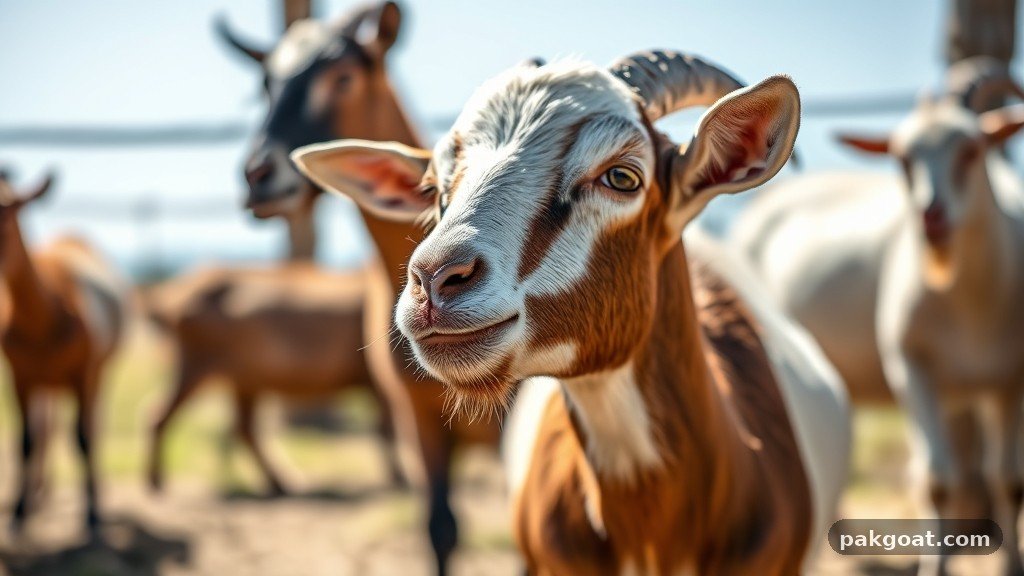
Your choice of breed is the foundation of your entire operation. Dairy breeds, such as the Nubian or Alpine, require higher quality forage and more intensive daily management to maintain milk production. Meat-focused breeds like the Boer goat are selected for their rapid growth rates and heavier muscling, which is ideal if your primary focus is on market weight.
If you are looking for a dual-purpose animal, consider the Kiko or Spanish goat breeds. These animals are known for their hardiness and ability to thrive on browse, which is excellent if your land has significant brush or woody vegetation. Always check with local breeders to see which varieties have performed best in your specific climate zone.
Key Breed Characteristics
- Nubian: Known for high-butterfat milk and a gentle, expressive temperament.
- Boer: The standard for meat production, reaching market weight faster than most other breeds.
- Alpine: Highly productive dairy goats capable of consistent output over long lactations.
- Nigerian Dwarf: Excellent for small homesteads due to their small size and high-quality milk.
- Kiko: Renowned for parasite resistance and adaptability to rough terrain.
Infrastructure and Shelter Requirements
Goats are notoriously sensitive to moisture and drafts, making high-quality shelter a non-negotiable asset. A three-sided structure facing away from prevailing winds is often sufficient in mild climates, provided it stays completely dry during rainfall. You must ensure the flooring is raised or well-drained, as damp bedding leads directly to hoof rot and respiratory infections.
Fencing is the second critical component of your infrastructure. Goats are agile climbers and persistent escapists; they will test the integrity of your perimeter daily.
Woven-wire fencing is the industry standard for keeping goats contained while excluding predators like coyotes or stray dogs. Ensure your fence is at least 48 inches high to prevent jumping, and clear any large debris or stacked equipment near the fence line that could serve as a step.
Nutritional Management and Forage
Contrary to popular belief, goats are not indiscriminate trash-eaters; they are selective browsers that prefer leaves, vines, and shrubs over short grass. If your property lacks natural browse, you must supplement with high-quality hay, such as alfalfa or orchard grass. Fresh, clean water must be available at all times, as a goat’s milk production and overall vitality will drop immediately if they become dehydrated.
Mineral supplementation is essential because goats require specific trace elements like copper and selenium to maintain immune function. You can provide these through a loose mineral mix specifically formulated for caprine health, rather than generic cattle blocks. Monitor their body condition score periodically; you should be able to feel the ribs with light pressure but not see them protruding.
Health and Veterinary Maintenance
Preventative care is far more cost-effective than emergency treatment. You should establish a relationship with a local large-animal veterinarian who has experience with small ruminants. Common health issues include internal parasites, which can be managed through a strategic deworming schedule and rotational grazing practices.
Rotational grazing involves moving your herd between smaller paddocks every few weeks. This allows the grass in the previous area to recover while breaking the life cycle of intestinal worms that thrive in damp, overgrazed soil.
Keep a basic medical kit on hand, including a digital thermometer, antiseptic spray, and a supply of syringes for vaccines. According to resources from the eXtension Foundation, regular hoof trimming is also vital to prevent lameness and bacterial infection in the foot.
Financial Planning and Profitability
Calculating the costs associated with goat rearing requires you to look beyond the purchase price of the animals. You must account for recurring expenses like feed, fencing maintenance, veterinary bills, and bedding materials. Revenue, on the other hand, can be generated through the sale of kids, milk, fiber, or even rental fees for land-clearing services.
Annual Cost and Revenue Estimates
| Expense Category | Estimated Annual Range |
|---|---|
| Feed and Supplements | $150 – $300 per head |
| Veterinary and Vaccines | $50 – $100 per head |
| Infrastructure Upkeep | $100 – $200 total |
| Marketing and Transport | $50 – $150 total |
Profitability often depends on the scale of your operation and your proximity to local markets. If you are selling milk, you will face stricter regulatory requirements and higher equipment costs compared to selling meat or breeding stock. Many smallholders find that the most profitable route is selling high-quality registered breeding stock to other farmers.
The Breeding Cycle and Herd Expansion
Understanding the reproductive cycle is vital for sustaining your herd and managing your income. A goat’s gestation period is approximately 150 days, meaning they can potentially produce two sets of kids in a single year if managed aggressively. However, most small-scale producers opt for a single breeding season to ensure that kids are born during warmer months when survival rates are higher.
Beginners should watch for signs of heat, which include tail wagging, increased vocalization, and a drop in milk production. Always keep your bucks separated from your does unless you are actively breeding them to prevent unwanted pregnancies. Proper record-keeping is essential; you should track breeding dates, kidding dates, and lineage to avoid inbreeding and to identify your most productive animals.
Common Challenges for New Owners
Predator control is often the most significant challenge for new goat farmers. Depending on your location, you may need to invest in livestock guardian dogs, llamas, or donkeys to protect the herd from local threats. These animals live with the goats and provide a constant, watchful presence that discourages opportunistic predators.
Another challenge is the mental fatigue associated with daily chores. Goats require attention 365 days a year, regardless of the weather or your personal schedule.
If you are not prepared for the commitment of daily milking or twice-daily health checks, you may find that the reality of the business does not match your initial expectations. Start small to gauge your capacity before expanding your herd size.
Frequently Asked Questions
How many times does a goat give birth per year?
A goat typically gives birth once per year. While it is biologically possible for some breeds to cycle more frequently, most farmers aim for an annual kidding cycle to ensure the health of the doe and the survival of the kids.
What are the main disadvantages of raising goats?
The primary disadvantages include the need for very secure fencing, susceptibility to parasite loads, and the labor-intensive nature of their daily care. Goats are also persistent and can be destructive to gardens or landscaping if they manage to escape their designated area.
Is goat rearing profitable for beginners?
It can be profitable if you focus on a specific niche, such as high-quality breeding stock or artisanal dairy products. However, the margins are often thin for beginners, so success relies on minimizing veterinary costs through excellent management and finding reliable local buyers.
What is the best way to handle a sick goat?
The best approach is to isolate the sick animal immediately to prevent the spread of potential contagions. Observe the goat for specific symptoms like lethargy, loss of appetite, or abnormal droppings, and consult your veterinarian before administering any medication.
How do I know if my land is suitable for goats?
Your land is suitable if it offers a mix of graze and browse, good drainage, and enough space for the herd to roam. You should also ensure the land is not prone to flooding and that you can provide adequate shelter from extreme weather conditions.
Final Considerations
Starting a project in goat rearing requires patience, attention to detail, and a willingness to learn from the daily behavior of your animals. While the initial investment in fencing and shelter can be significant, the long-term rewards of a well-managed herd are substantial. Focus on the health and welfare of your animals first, and the productivity of your operation will follow.
Whether you are interested in sustainable farming or simply want to manage your property more effectively, goats are an excellent choice. Reach out to local agricultural extension offices or established breeders in your area to gather region-specific advice before you make your first purchase.
