

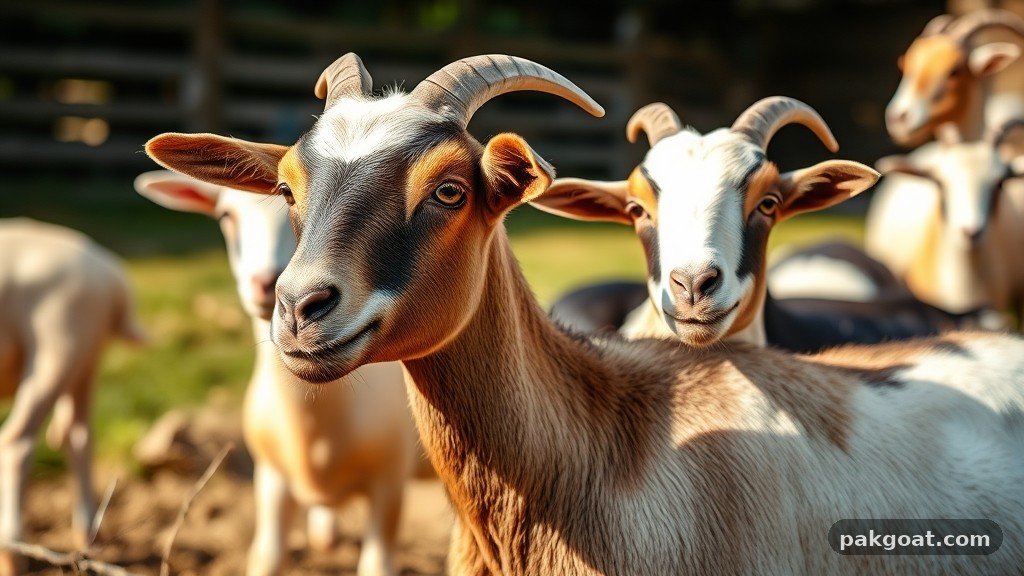
Starting a livestock venture often leads people toward smaller, more manageable animals. Taking the first steps into goat farming for beginners offers a unique blend of self-sufficiency, land management, and potential profit. Whether you want to clear brush, produce fresh milk, or raise meat, these hardy animals fit well into diverse environments.
Success requires more than just a field and some fence; it demands a solid understanding of nutrition, health, and breed selection. This overview provides the essential data points and practical advice needed to establish a thriving herd from the ground up. You will learn about the financial commitments, daily labor requirements, and the biological needs of these intelligent creatures.
Initial Space and Investment Requirements
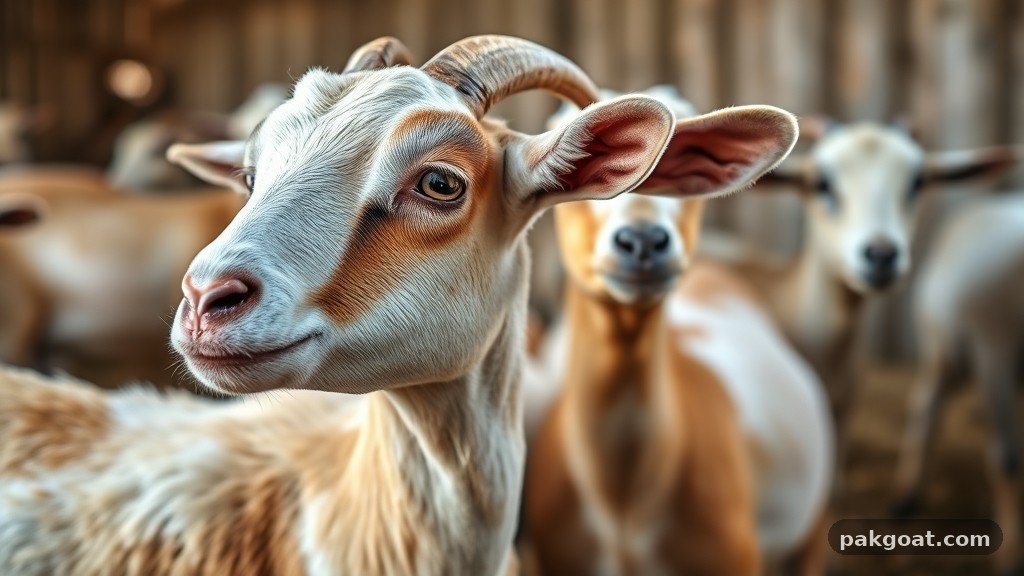
The most common question for those starting out is how much land they actually need. On average, one acre of high-quality pasture can support 6 to 8 goats comfortably.
If your land is mostly brush or woods, that number might drop to 4 or 5 animals per acre. It is always better to start with fewer animals and let the land recover than to overgraze and destroy your forage base.
Financial preparation is the next hurdle. A modest startup for a small herd of three or four goats typically costs between $2,000 and $4,500.
This figure includes the purchase price of the animals, high-tensile fencing, a basic three-sided shelter, and initial feed supplies. Meat goats like Boers often cost more upfront than dairy breeds like Alpines, depending on their pedigree and registration status.
Time is a hidden cost that beginners often overlook. You should expect to spend at least 60 to 90 minutes per day on basic chores like feeding, watering, and health checks.
During kidding season, this time commitment can double or triple as you monitor pregnant does. If you are milking, you must commit to a strict twelve-hour schedule, twice a day, without exception.
Goats are social animals and should never be kept alone. A single goat will become stressed, loud, and prone to escaping in search of companionship.
Always start with at least two or three goats to ensure they remain calm and healthy. This social structure helps them maintain a natural hierarchy and reduces the likelihood of behavioral issues.
Selecting the Right Breed for Your Goals
Your choice of breed determines your daily routine and your eventual profit margins. Dairy goats are selected for their high milk production and docility but require more intense management.
Meat goats are bred for rapid growth and heavy muscling, often thriving on less supplemental feed than their dairy counterparts. Fiber goats, like Angoras, provide mohair but require specialized shearing knowledge twice a year.
If your goal is milk, consider the Nubian or the LaMancha. Nubians are famous for their long, floppy ears and high butterfat content, which makes their milk excellent for cheese.
LaManchas are known for their “gopher ears” and incredibly hardy constitution, often producing milk consistently even in harsher climates. Both breeds are generally friendly and bond closely with their human handlers.
For meat production, the Boer goat is the industry standard due to its fast growth rate and heavy carcass weight. Kiko goats are another excellent option, prized for their exceptional parasite resistance and ability to thrive on marginal forage. Many beginners choose a Boer-Kiko cross to get the best of both worlds: size and survivability. These animals are typically less “needy” than dairy goats and spend more time out in the pasture.
The following table compares the primary characteristics of common goat categories to help you decide which path fits your land and lifestyle:
| Goat Category | Primary Purpose | Average Weight | Key Benefit |
|---|---|---|---|
| Dairy (e.g., Alpine) | Milk and Cheese | 130–170 lbs | High daily yield |
| Meat (e.g., Boer) | Market Kids | 200–300 lbs | Fast growth rate |
| Fiber (e.g., Angora) | Mohair/Wool | 75–140 lbs | Renewable harvest |
| Miniature (e.g., Pygmy) | Pets/Brush Clearing | 50–80 lbs | Small space needs |
Essential Infrastructure and Fencing
Fencing is the most critical investment in goat farming for beginners. Goats are notorious escape artists that will find any weakness in a perimeter. They don’t just try to go over or under; they will lean on a fence to reach a tasty leaf until the wire sags or snaps. Woven wire fencing, often called “no-climb” fence, is the gold standard for goat containment.
The fence should be at least 48 inches high to prevent jumping. Use 12.5-gauge wire with 4-inch by 4-inch openings to ensure they cannot get their heads stuck.
Many farmers add a single strand of electric wire along the top and the bottom. This “hot” wire discourages leaning and prevents predators like coyotes or stray dogs from digging underneath.
Shelter requirements are relatively simple compared to fencing. Goats absolutely hate being wet and will run for cover at the first sign of a raindrop.
A three-sided shed facing away from the prevailing winds is usually sufficient in most climates. Ensure the floor stays dry by using a thick layer of wood shavings or straw, which you should clean out regularly to prevent ammonia buildup.
Internal housing should provide roughly 15 to 20 square feet of space per adult goat. If you live in an area with extreme winters, a fully enclosed barn might be necessary to protect them from frostbite.
Proper ventilation is mandatory even in winter; a draft-free barn that traps moisture will lead to pneumonia and other respiratory issues. High ceilings and ridge vents help keep the air fresh without creating a chill.
Nutrition and Forage Management
Goats are not grazers like sheep or cattle; they are browsers. They prefer to eat at eye level, targeting weeds, briars, and the leaves of trees.
This behavior makes them excellent for land clearing, but it means they can quickly strip a woodlot if not managed. You must monitor your pasture height and rotate the animals to new sections before they eat the plants down to the roots.
Hay is the foundation of their diet when fresh forage is unavailable. High-quality alfalfa hay is preferred for milking does and growing kids because of its high protein and calcium content.
For dry does or wethers (castrated males), a good grass hay or a clover mix is usually sufficient. Avoid moldy hay at all costs, as it can cause listeriosis, a deadly neurological condition in goats.
Minerals are a non-negotiable part of goat health. Unlike sheep, goats require high levels of copper in their diet.
Sheep minerals are often toxic to goats because they lack this copper, while goat-specific minerals would kill a sheep. Provide a loose mineral mix in a weather-protected feeder so the goats can consume it “free choice” as their bodies demand.
Clean water is the most important nutrient. A single goat can drink 2 to 3 gallons of water per day, and even more if they are lactating.
If the water is dirty, frozen, or tastes like algae, they will stop drinking. This leads to dehydration and, in males, can contribute to urinary calculi, a painful and often fatal blockage of the urinary tract.
Health Protocols and Disease Prevention
A proactive health plan is much cheaper than an emergency vet visit. The most common health challenge in goat farming for beginners is internal parasites, specifically the Haemonchus contortus or barber pole worm.
These parasites suck blood from the goat’s stomach, leading to anemia and death if left unchecked. You should learn to use the FAMACHA scoring system to check the color of the goat’s lower eyelid to gauge anemia levels.
Vaccinations are a standard part of herd management. Most farmers administer the CDT vaccine, which protects against Clostridium perfringens types C and D (overeating disease) and Tetanus.
Does should be vaccinated about four weeks before they give birth so they can pass immunity to their kids through the colostrum. Kids typically receive their first dose at 8 weeks of age, followed by a booster three to four weeks later.
Hoof trimming is a task you will need to perform every 6 to 8 weeks. In the wild, goats walk on rocks that naturally wear down their hooves, but on soft pasture, the hoof wall grows long and curls under.
This creates a pocket for dirt and bacteria, leading to foot rot or foot scald. Investing in a pair of high-quality hoof shears and learning the proper technique will save you from chronic lameness issues in your herd.
Biosecurity is the practice of keeping diseases off your farm. When buying new goats, always ask for proof of testing for CAE (Caprine Arthritis Encephalitis) and CL (Caseous Lymphadenitis).
These are chronic, incurable diseases that can ruin a herd. Quarantine any new animal for at least 30 days before letting them mingle with your existing goats to ensure they aren’t carrying any respiratory infections or contagious skin conditions.
Breeding and Kidding Basics
Most goat breeds are seasonal breeders, meaning they go into heat as the days get shorter in the autumn. The gestation period for a goat is approximately 150 days, or about five months.
This means a doe bred in October will give birth in March. If you want a year-round milk supply, you may need to stagger your breeding or choose breeds like the Boer or Nubian that can sometimes breed out of season.
When a doe is in heat, she will be very vocal, wag her tail frequently, and may show a decreased appetite. This cycle repeats every 18 to 21 days until she is successfully bred.
If you do not want to keep a buck—which can be smelly and aggressive—you can look into artificial insemination or “drive-way” breeding services from local farms. Keeping a buck requires separate, very strong fencing and extra labor.
Kidding is the most rewarding and stressful part of goat ownership. Most does handle the process well on their own, but you should be prepared to intervene if a kid is malpositioned.
Signs of impending labor include the doe “nesting” in the straw, heavy panting, and the softening of the ligaments around the tail head. Once the water breaks, you should see two front feet and a nose within about 30 minutes.
Newborn kids must receive colostrum within the first few hours of life. This “first milk” is thick and yellow, packed with the antibodies the kid needs to survive since they are born without an immune system.
If a kid is too weak to nurse, you may need to use a stomach tube or a bottle to get the colostrum into them. Within a few days, they will be bouncing around the pen, ready to start nibbling on hay and grain.
Developing a Profitable Business Plan
While many people start with goats as a hobby, turning it into a business requires a clear strategy. You can sell registered breeding stock, which fetches a much higher price than commercial animals.
To do this, you must keep meticulous records of lineages and register your kids with organizations like the American Goat Society or the American Boer Goat Association. This path requires more paperwork but offers higher margins per animal.
Another revenue stream is the sale of meat kids. In many regions, there is high demand for goat meat during specific holidays.
Timing your kidding season so that your kids reach a market weight of 60 to 80 pounds right before these holidays can maximize your returns. You will need to find a local livestock auction or work directly with customers who want to buy “on the hoof” for custom processing.
Value-added products can also boost your income. Goat milk can be turned into artisan cheeses, yogurt, or goat milk soap.
Soap making is particularly popular for beginners because it doesn’t require the same level of food safety licensing as dairy production. A single gallon of milk can produce dozens of bars of soap, which often sell for $5 to $8 each at local farmers’ markets.
To keep your business sustainable, you must track every expense. Use a spreadsheet to log feed costs, veterinary supplies, fencing repairs, and bedding.
Many beginners find that their biggest expense is hay during the winter months. By improving your pasture management and extending the grazing season, you can significantly reduce your input costs and improve your bottom line over time.
- Feed & Hay: Usually 60% of annual operating costs.
- Supplies: Includes minerals, vaccines, and hoof trimmers.
- Marketing: Website fees, market stall rentals, and signage.
- Replacement Stock: Budgeting to bring in new genetics every few years.
Daily Management and Legal Considerations
The rhythm of goat farming for beginners is defined by the sun. Morning chores usually involve checking water troughs, refilling hay feeders, and doing a quick visual scan of every animal.
A goat that is standing off by itself or not coming to the feeder is likely sick. Early detection is the difference between a simple treatment and losing an animal to a rapid-onset illness.
Evening chores are a repeat of the morning but often include a more thorough check of the fencing. You should walk your perimeter regularly to look for spots where the goats might be digging or where a falling branch might have damaged the wire. If you use electric fencing, check the voltage with a tester to ensure the “bite” is strong enough to deter the herd.
Before you bring your first goat home, check your local zoning laws and ordinances. Even if you live in a rural area, there may be restrictions on the number of animals per acre or the placement of structures near property lines.
Some suburban areas allow miniature goats but have strict rules about noise or the disposal of manure. Being a good neighbor means managing smells and keeping your animals on your side of the fence.
Manure management is an often-overlooked part of the daily routine. Goats produce “berries” that are dry and easy to handle, making them excellent fertilizer for gardens.
However, letting manure pile up in the barn leads to flies and parasites. Many farmers use a deep litter system where they add fresh straw over the old during winter to provide heat through composting, then do a massive clean-out in the spring.
Frequently Asked Questions
How many goats should a beginner start with?
You should start with at least two or three goats. Because they are herd animals, a single goat will suffer from extreme loneliness and stress. Starting with a small group allows you to learn their behaviors without being overwhelmed by a large herd.
Can goats and sheep live together?
They can live together, but it is difficult because of their different mineral needs. Goats require copper, which is toxic to sheep. You must find a way to supplement the goats individually or keep them in separate pens during feeding times to ensure the sheep do not ingest the goat minerals.
How long do goats live?
A well-cared-for goat can live between 12 and 15 years. Their productive life is usually a bit shorter; dairy goats might produce milk for 8 to 10 years, while meat does are typically retired from breeding around the same age. Wethers kept as pets often live the longest.
Do goats really eat everything?
No, this is a common myth. Goats are actually very picky eaters and will refuse to eat hay that has been stepped on or water that is slightly dirty. While they will “sample” many things with their mouths to see if they are edible, they have very specific nutritional requirements and can be easily poisoned by certain ornamental plants like rhododendrons.
Is a buck or a wether better for a pet?
A wether (a castrated male) is a much better pet. Bucks produce a very strong, musky odor during the breeding season and can be aggressive or difficult to handle. Wethers stay small, friendly, and do not have the pungent smell associated with intact males.
Final Thoughts on Raising Goats
Embarking on the path of goat farming for beginners is a commitment to both the land and the animals. These creatures provide more than just milk or meat; they offer a connection to the rhythm of nature and the satisfaction of agricultural production. Success is rarely about having the most expensive equipment but rather about the consistency of your care and the quality of your observations.
By starting small, choosing the right breeds, and prioritizing fencing and nutrition, you create a foundation for a sustainable homestead or business. As you grow more comfortable with the daily chores and the seasonal cycles of breeding and kidding, you will find that goats are among the most rewarding livestock to raise. Stay curious, keep learning from your herd, and enjoy the unique personality that each goat brings to your farm.
