

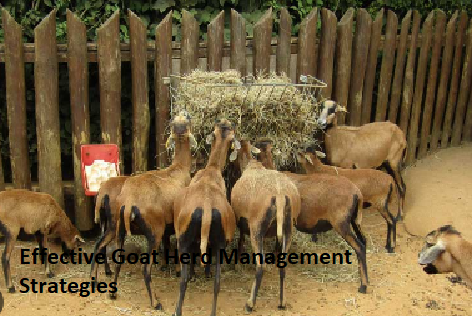
Effective goat herd management requires a balance of nutritional oversight, preventative health protocols, and consistent record keeping. Whether you are raising animals for milk, meat, or fiber, the success of your operation depends on how well you monitor individual performance and environmental conditions. By implementing structured routines, you can reduce mortality rates and optimize the productivity of your animals.
Determining Land Requirements for Your Herd
A common question regarding goat herd management is how much space is actually necessary to maintain a healthy population.
While there is no single universal number, a standard rule of thumb is that 6 to 8 adult goats can be sustained on one acre of high-quality pasture. This assumes the land is well-managed and the goats are rotated to prevent overgrazing and parasite buildup.
If the land is poor or lacks significant forage, that number drops drastically, sometimes requiring as much as 2 to 3 acres per animal to ensure they have enough to eat. Overstocking is a major mistake that leads to soil compaction and increased worm loads, which are devastating to a goat’s health. You must evaluate your local vegetation and soil quality before bringing animals onto the property.
Soil testing is a vital step in calculating your carrying capacity because it tells you exactly what nutrients your pasture can provide. If you plan to supplement with hay, you can increase your stocking density, but this significantly raises your operational costs. Always prioritize the health of the pasture over the number of animals to ensure long-term sustainability.
Nutritional Requirements and Feeding Cycles
Goats are browsers rather than grazers, meaning they prefer shrubs, woody plants, and weeds over simple grass.
Effective goat herd management involves providing a diverse diet that mimics their natural foraging behavior. If you force them to eat only grass, they will likely suffer from nutritional deficiencies and increased internal parasite exposure.
Protein requirements vary significantly depending on the life stage of the animal. A lactating doe needs significantly more energy and protein than a dry doe or a wether kept for brush clearing. You should provide free-choice loose minerals specifically formulated for goats to prevent deficiencies like selenium or copper imbalances.
| Goat Life Stage | Primary Nutritional Focus |
| :— | :— |
| Breeding Buck | Energy for stamina and fertility |
| Pregnant Doe | Protein for fetal development |
| Lactating Doe | High energy and calcium for milk |
| Growing Kid | Protein and minerals for bone health |
Always ensure clean water is available at all times, as goats are notoriously picky about water quality. If the water is stagnant or dirty, they will drink less, leading to lower milk yields or slower growth rates. Monitoring intake during extreme heat or cold is a critical part of daily herd oversight.
Preventative Health and Parasite Control
Parasite management is often the most challenging aspect of maintaining a healthy herd.
Haemonchus contortus, or the barber’s pole worm, is the primary threat to goats in many regions, causing severe anemia and death. You must perform regular FAMACHA scoring to monitor the color of the mucous membranes in the lower eyelid.
The eXtension Foundation provides detailed resources on integrated parasite management strategies for small ruminants. Instead of relying solely on chemical dewormers, which leads to resistance, you should focus on rotational grazing. Moving goats to new paddocks every 7 to 10 days breaks the life cycle of most common parasites.
Vaccination schedules are equally important in a professional herd management plan. Most producers vaccinate against Clostridium perfringens types C and D, as well as tetanus, using a CD&T vaccine. Consult with a local large-animal veterinarian to determine the specific disease risks in your geographic region.
Record Keeping for Herd Success
You cannot improve what you do not measure, making record keeping a cornerstone of goat herd management.
Each animal should have an individual file that tracks its birth date, sire and dam, medical history, and production outputs. Digital apps or simple physical binders can both work, provided you update them consistently.
Focus on tracking the following data points for every individual in the herd:
-
- Date of birth and birth weight
-
- Dates of all vaccinations and deworming treatments
-
- Breeding dates and expected kidding intervals
-
- Milk production totals or weight gain milestones
-
- Individual identification numbers (ear tags or tattoos)
Consistent recording allows you to identify your most productive does and your most efficient sires. It also helps you spot trends, such as an animal that requires frequent medical intervention. Culling animals that consistently underperform or suffer from chronic health issues is a necessary part of keeping your herd profitable and healthy.
Fencing and Infrastructure Requirements
Goats are famous for their ability to escape, so your fencing must be robust enough to handle their curiosity and agility.
Woven wire fencing, often called “no-climb” fencing, is the gold standard for most goat operations. It should be at least 48 inches high to prevent them from jumping over it.
Electric fencing can be used as an additional deterrent, especially if you have issues with predators like coyotes or stray dogs. A single strand of electric wire placed 6 to 8 inches off the ground on the inside of the fence can prevent goats from rubbing against or pushing on the wire. Always check your perimeter regularly for gaps, loose posts, or overhanging branches that provide a ladder for escape.
Shelter is also essential, even if you live in a mild climate. Goats require a dry, draft-free place to escape rain and wind, as they are highly susceptible to respiratory illnesses when damp. A simple three-sided shed facing away from the prevailing wind is usually sufficient for most breeds.
Breeding and Kidding Management
Successful goat herd management requires careful planning of the breeding season to ensure kids arrive during favorable weather.
Most goats are seasonal breeders, triggered by shortening daylight hours in the autumn. By controlling the timing of the buck’s introduction, you can group your kidding season into a manageable window.
During the kidding process, you must be prepared to assist if complications arise. Have a basic kit ready that includes sterile gloves, iodine for umbilical cords, colostrum replacer, and a towel for drying off newborns. Early access to colostrum is the single most important factor in the survival of a newborn kid.
Keep the kidding area clean and well-bedded to minimize the risk of joint ill or other infections in the kids. If you are keeping the kids with their mothers, ensure the fencing is tight enough to prevent them from wandering off. Monitor the mother for signs of mastitis or poor milk production in the days following birth.
Economic Considerations and Profitability
Determining if your operation is profitable requires a clear understanding of your input costs versus your revenue streams.
Common income sources include the sale of kids for meat, milk products, breeding stock sales, or even leasing your herd for brush control. You must calculate your feed costs, veterinary expenses, and equipment depreciation to get a true picture of your margins.
Labor is often the hidden cost in goat herd management that many new producers overlook. If you are doing all the work yourself, you must value your time appropriately when calculating the total cost of production. If you are hiring help, ensure the wages are factored into the price of your final product.
Efficiency is key to profitability, which is why culling low-producers is so important. Keeping a doe that produces very little milk or has poor mothering instincts is a direct drain on your resources. Review your financial records annually to see which segments of your herd are paying for themselves and which are essentially pets.
Addressing Common Management Challenges
One of the biggest hurdles for any producer is predator pressure.
Depending on your location, you may need to invest in livestock guardian dogs, donkeys, or llamas to protect your herd. These animals require their own training and care but can significantly reduce losses from coyotes, foxes, and mountain lions.
Another challenge is the management of hoof health, particularly in wet climates. Goats are prone to hoof rot if kept on consistently muddy ground. Regular hoof trimming, usually every 6 to 8 weeks, is necessary to prevent infections and maintain proper structural alignment.
Finally, managing the social dynamics of the herd is important for overall stress reduction. Introducing new animals should always be done through a quarantine period to prevent the spread of diseases like Caseous Lymphadenitis.
Once the quarantine is over, monitor the integration carefully to ensure that bullying is kept to a minimum.
Frequently Asked Questions
How often should I rotate my goats to new pastures?
You should rotate your herd every 7 to 10 days to minimize parasite exposure. If you notice the grass being grazed down to the nub, move them sooner to prevent damage to the forage and to keep the animals from ingesting parasite larvae near the soil surface.
Can goats live on grass alone?
While goats can survive on grass, they are natural browsers and thrive when they have access to shrubs, brush, and weeds. Providing only grass can lead to nutritional deficiencies and a higher parasite burden, as they are forced to graze closer to the ground where larvae are concentrated.
What is the most important vaccination for goats?
The CD&T vaccine is widely considered the most essential, as it protects against Clostridium perfringens types C and D, as well as tetanus. These are common, often fatal bacteria that can affect goats at any age, making this vaccine a non-negotiable part of a health program.
How do I know if my herd is overstocked?
Signs of overstocking include a pasture that looks like a dirt lot, constant issues with internal parasites despite regular deworming, and the need for excessive amounts of supplemental hay. If your goats are losing body condition even when food is provided, your stocking rate is likely too high for the available land.
What is the best way to identify goats?
Ear tags are the most common method, but they can be ripped out if the goats are in brushy areas. Tattoos in the ear or tail web provide a permanent, tamper-proof form of identification, which is often required for registry purposes or official health documentation.
Conclusion
Mastering the fundamentals of goat herd management takes time, patience, and a commitment to continuous learning. By focusing on the health of your soil, the quality of your forage, and the individual needs of your animals, you create a stable foundation for a productive herd. Consistency in your daily routines—from checking fences to keeping detailed records—will pay off in the long run through healthier animals and lower operational costs. As you gain experience, you will find that the rhythm of your farm becomes more manageable and rewarding. Always stay observant, keep your veterinary contacts close, and never hesitate to adjust your strategy based on the specific results you see in your own fields.
