

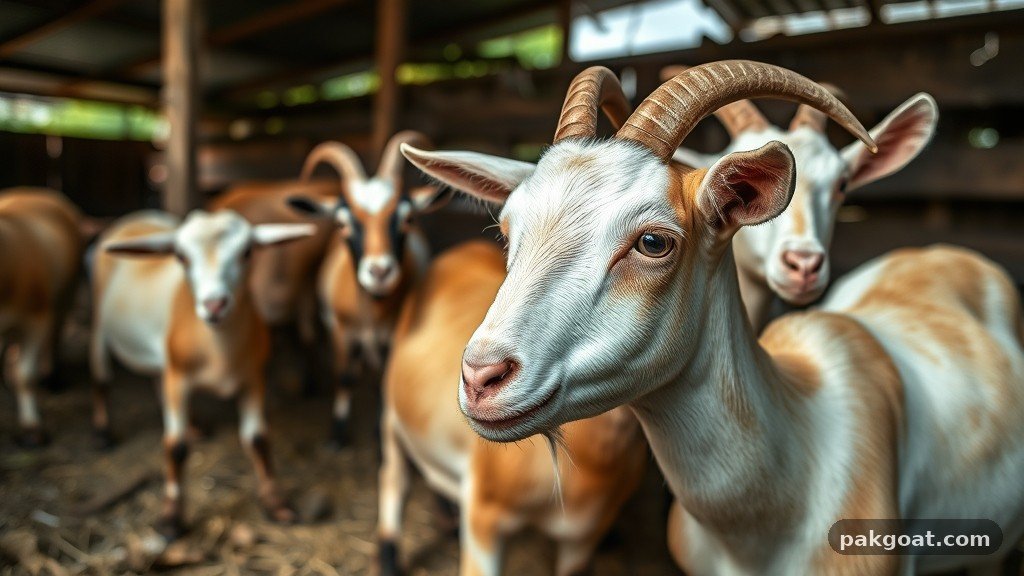
Starting a successful small-scale livestock enterprise requires following a reliable goat rearing guide that prioritizes animal health and facility management. Whether you aim to produce dairy, meat, or fiber, understanding the specific biological needs of your herd is the primary factor in determining your long-term profitability and operational sustainability.
The most difficult aspect of raising goats is managing their internal parasite load, specifically the barber pole worm (Haemonchus contortus). Because these parasites develop resistance to standard dewormers, you must implement a rigorous pasture rotation schedule and perform regular FAMACHA scoring to monitor anemia levels in your animals. This proactive health management is significantly more effective than relying solely on chemical interventions.
Infrastructure and Housing Requirements
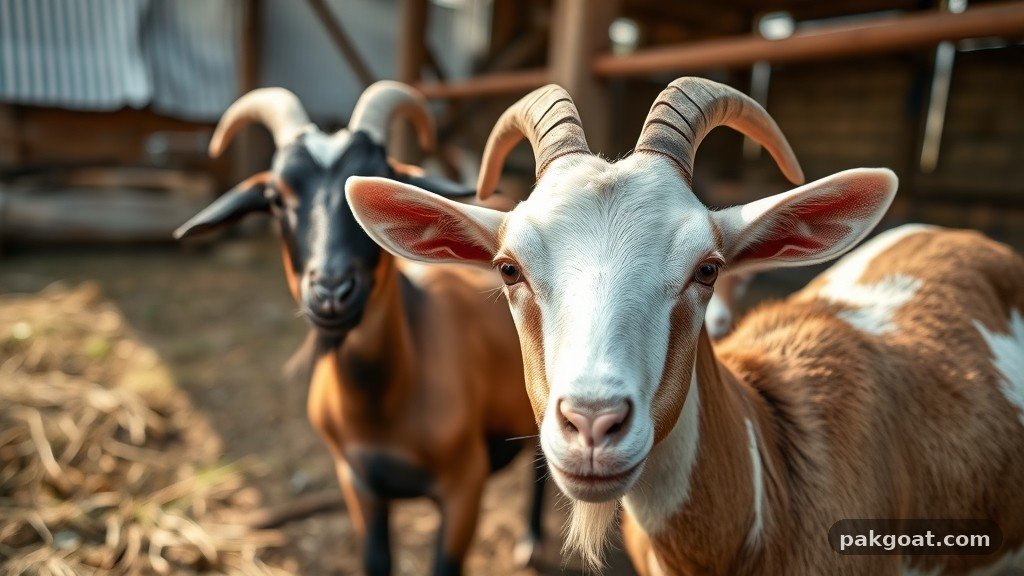
Goats require dry, draft-free shelter to maintain health during inclement weather. While they are hardy animals, they are highly susceptible to respiratory infections if forced to sleep in damp or poorly ventilated conditions. You should ensure your barn or shed provides at least 12 to 15 square feet of floor space per adult goat to prevent overcrowding and stress.
Fencing is perhaps the most significant investment for a new producer. Goats are notorious escape artists that will test the integrity of any barrier, often using their horns to pry apart weak wire mesh. A high-tensile woven wire fence at least 48 inches high is the industry standard for keeping your herd contained and predators out.
Key Facility Features
- Bedding: Use straw or wood shavings to keep the floor dry and absorb moisture.
- Ventilation: Position vents above the level of the goats to prevent direct drafts.
- Access: Ensure gates are wide enough for wheelbarrows and easy human entry.
- Watering: Install elevated troughs to prevent contamination from fecal matter.
Nutritional Management and Feeding
Proper nutrition is the cornerstone of any productive goat rearing guide. Goats are browsers, not grazers, meaning they prefer to eat weeds, shrubs, and the leaves of trees rather than short pasture grass. Providing a varied diet helps maintain rumen health and prevents common metabolic issues like bloat or urinary calculi in wethers.
You must provide constant access to clean, fresh water and high-quality minerals. A loose mineral mix specifically formulated for goats—not sheep—is essential, as goats require copper that is toxic to sheep. If you live in a region with selenium-deficient soil, ensure your mineral supplement includes adequate levels of this trace element to support reproductive health.
Comparative Feed Requirements
| Goat Category | Primary Feed Source | Supplementation Needs |
|---|---|---|
| Dry Doe | Pasture/Browse | Loose minerals, clean water |
| Lactating Doe | High-quality hay | Protein pellets, grain (limited) |
| Growing Kid | Creep feed/Alfalfa | High-protein forage |
| Buck | Maintenance hay | Minimal grain to prevent calculi |
Managing Internal Parasites
Parasite control is a perpetual challenge in goat production. The number one killer of goats is often the combined impact of parasite-induced anemia and malnutrition. You should learn to perform FAMACHA scoring, a system that checks the color of the lower eyelid membrane to identify which individuals need treatment.
Never deworm the entire herd at once, as this accelerates the development of resistant parasite strains. Instead, treat only the individuals that show clinical signs of infestation. You can find detailed veterinary protocols for this process at the eXtension Foundation, which provides evidence-based resources for agricultural producers.
Breeding and Herd Expansion
Successful breeding requires careful selection of both the buck and the does. You should aim for a buck that exhibits strong conformation and a gentle temperament, as these traits are passed directly to his offspring. A single buck can easily service 20 to 30 does during a single breeding season without overexertion.
The gestation period for a goat is approximately 150 days. During the final month of pregnancy, you must gradually increase the protein content of the doe’s diet to support fetal development and upcoming milk production. Keep detailed records of breeding dates to ensure you are prepared for kidding season, which involves having supplies like towels, iodine, and a bottle-feeding kit ready.
Pasture Rotation Strategies
Overgrazing is the fastest way to ruin your land and increase your parasite burden. Implementing a rotational grazing system allows you to divide your property into smaller paddocks, moving the goats every few days to fresh forage. This practice breaks the life cycle of parasites by moving the herd off the grass before larvae can migrate up the stems.
You should aim for a rest period of 30 to 45 days for each paddock before the goats return to graze it again. This duration allows the forage to recover its root reserves and ensures the vegetation remains lush and palatable. If you do not have enough acreage for a full rotation, you will need to supplement heavily with hay to protect your pasture.
Financial Planning for Beginners
Starting a goat enterprise requires an initial capital outlay for livestock, fencing, and basic equipment. Your startup budget should prioritize sturdy fencing and quality animals over expensive barn structures. Many successful producers start with two or three does to learn the basics before scaling up to a larger commercial herd.
Consider your market before purchasing your first animals. If you intend to sell meat, focus on breeds like the Kiko or Boer, which are known for their rapid growth rates.
If your goal is dairy production, Nubian or Alpine breeds are typically more productive. Keep strict records of every expense, including vet bills, feed costs, and marketing efforts, to track your profitability.
Common Health Emergencies
Recognizing the signs of a sick goat is a critical skill for any owner. A goat that stands alone, stops eating, or grinds its teeth is often in severe pain or distress. You should maintain a basic medical kit containing a thermometer, antiseptic, electrolytes, and a probiotic paste to handle minor issues immediately.
Urinary calculi is a significant risk for male goats fed too much grain. This condition creates blockages that can be fatal within 24 to 48 hours.
By balancing your calcium-to-phosphorus ratio and ensuring the goats have consistent access to water, you can largely prevent this issue. Always have a trusted large-animal veterinarian on call for situations that exceed your experience level.
Frequently Asked Questions
Why give baking soda to goats?
Baking soda acts as a natural buffer for the rumen, helping to prevent acidosis and bloating when goats consume high-grain diets or lush, fermentable spring grass. It should be offered free-choice in a separate container so the goats can consume it only when they feel the need to balance their stomach pH.
How many acres do you need to raise 100 goats?
The amount of land required depends entirely on your soil quality and rainfall, but a general rule of thumb is 1 to 2 acres per 10 to 15 goats under intensive rotational grazing. For 100 goats, you would ideally need at least 10 to 15 acres of high-quality, well-managed pasture to maintain them without overgrazing.
What is the most difficult thing about raising goats?
Managing parasite resistance is widely considered the most difficult aspect of goat farming. Because chemical dewormers are becoming less effective, producers must spend significant time monitoring their animals and managing pasture health to keep the herd thriving.
What is the number one killer of goats?
Internal parasites, particularly the stomach worm Haemonchus contortus, are responsible for the highest mortality rates in goat herds. These parasites cause severe anemia and weakness, often leading to death if the owner does not detect the signs early and implement a targeted treatment plan.
The process of managing a herd requires constant attention to detail and a willingness to learn from daily observations. By keeping your facilities clean, focusing on preventative medicine, and maintaining a strict nutritional balance, you can overcome common hurdles and build a productive operation. A well-executed goat rearing guide serves as your roadmap, but your ability to adapt to the specific needs of your animals will ultimately determine your results.
Start with a manageable number of goats, prioritize their health, and expand your herd only once you feel confident in your daily management routines. Reach out to local agricultural extension offices or established breeders to gain hands-on experience and build a network of support for your journey in goat rearing.
