

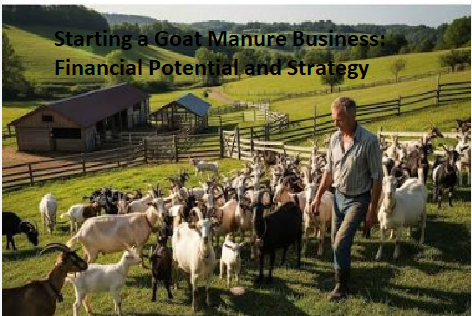
Launching a goat manure business allows farmers to monetize a consistent byproduct while supporting sustainable agricultural practices. Many small-scale livestock owners overlook the value of their waste, yet processed goat droppings serve as a high-demand organic fertilizer for home gardeners and commercial nurseries.
By understanding the nutrient profile, processing requirements, and market demand, you can turn a waste management challenge into a reliable revenue stream. This article explores the economic viability of this niche, providing the insights necessary to build a scalable operation from the ground up.
Profitability and Market Value
The primary question for any aspiring entrepreneur in this sector is whether a goat manure business can actually turn a profit. The short answer is yes, provided you shift your perspective from viewing manure as waste to viewing it as a finished organic product. Raw manure generally sells for low prices, but composted, bagged, or pelletized fertilizer commands a significant premium in retail markets.
Farmers typically find that profitability depends on the scale of their herd and their ability to minimize processing costs. A herd of 50 goats can produce approximately 15 to 20 tons of manure annually, which, when properly packaged, represents a substantial volume of sellable inventory. Most successful operators focus on local markets to avoid the high shipping costs associated with heavy, bulk organic materials.
Understanding the Nutrient Profile
Goat manure is often referred to as “green gold” by organic farmers because of its balanced nutrient composition and soil-conditioning properties. It typically boasts an NPK ratio of roughly 1.5-1.5-1.5, though this varies based on the goats’ diet and bedding materials. Unlike cattle or poultry waste, it is relatively dry and odorless, making it much easier to handle and market to suburban gardeners.
High levels of organic matter improve soil structure, water retention, and aeration, which are qualities that professional landscapers and hobbyist gardeners actively seek. Because it is a “cold” manure, it is less likely to burn delicate plants compared to chicken or pig waste. This characteristic allows it to be applied directly to garden beds without extensive aging, provided it has been properly managed to reduce pathogen risks.
Processing and Composting Methods
To move your goat manure business beyond basic farm-gate sales, you must implement a consistent composting system. Raw manure can contain weed seeds and pathogens, which makes it unsuitable for premium organic markets. A simple windrow composting method involves layering the manure with carbon-rich materials like straw, wood chips, or shredded leaves.
Turning the compost piles regularly, usually once every two weeks, accelerates decomposition and ensures that the internal temperature reaches 130 to 160 degrees Fahrenheit. This heat process eliminates unwanted seeds and harmful bacteria, resulting in a dark, crumbly, and nutrient-dense humus. You can monitor the progress of your batches using a standard compost thermometer, which helps you maintain quality control for your customers.
Equipment and Infrastructure Needs
Initial capital expenditure for this business is relatively low compared to other agricultural ventures. You will need basic tools for collecting, turning, and packaging the material. A small tractor or a skid steer loader is essential if you manage a large herd, as it drastically reduces the manual labor required to move heavy piles.
Storage is another critical infrastructure requirement that is often overlooked in the planning phase. You need a dedicated, covered space to cure your compost so that rainfall does not leach away the nutrients or create a muddy, unusable mess. A simple pole barn or a series of heavy-duty tarps can protect your inventory while it cures, ensuring your product remains dry and ready for bagging.
Market Segmentation and Pricing
Success in a goat manure business requires you to identify and target specific customer segments. You can sell in bulk to local commercial farms or in smaller, branded bags to garden centers and boutique plant nurseries. Bulk sales move inventory quickly but at lower margins, while retail packaging allows for higher profit margins per pound.
The following table illustrates the typical price tiers you might encounter when selling your product:
| Sales Channel | Typical Unit | Estimated Price Range |
|---|---|---|
| Bulk Farm-Gate | Per Ton | $40 – $80 |
| Small Bag (Retail) | 20 lb Bag | $8 – $15 |
| Specialty Blend | 1 cubic foot | $12 – $20 |
Regulatory and Safety Considerations
Before you begin selling your product, research your local and state agricultural regulations regarding the sale of soil amendments. Many jurisdictions require a permit or a registration process if you are selling fertilizer products, especially if you make claims about nutrient content on your packaging. These regulations exist to protect consumers from fraudulent products and to ensure that agricultural waste is managed safely.
Pathogen management is the most important safety aspect of your operations. You can find detailed guidelines on managing agricultural waste safely through resources such as the USDA Natural Resources Conservation Service, which provides best practices for livestock waste management. Always test your final compost product for heavy metals or persistent pathogens before scaling up your sales to larger retail outlets.
Marketing Your Organic Fertilizer
Effective marketing for a goat manure business relies heavily on education and local reputation. Because many consumers are unfamiliar with the benefits of goat-specific manure, you should include informational flyers with your products that explain how to apply them. Emphasize that your product is “cold” and safe for immediate use, which differentiates it from harsher fertilizers on the market.
Leveraging social media platforms like Instagram or Facebook can help you reach local gardening groups and homesteading communities. Post photos of your composting process, your healthy herd, and the results of the manure in your own garden beds. Building trust with local growers by offering samples or hosting “garden days” at your farm creates loyal repeat customers who will return every season.
Scaling for Future Growth
Once you have established a steady customer base, you may look for ways to increase your output without necessarily increasing your herd size. You can source additional manure from neighboring farms that lack the time or infrastructure to process their own waste. This creates a secondary revenue stream by acting as a regional hub for organic fertilizer production.
You might also consider diversifying your product line to include liquid “manure tea,” which is a highly concentrated, fast-acting fertilizer. By steeping finished compost in water and bottling the extract, you create a premium product that is easy for suburban gardeners to apply to container plants. This type of product development allows you to extract more value from every ton of raw material you collect.
Frequently Asked Questions
Is goat manure better than cow manure for gardens?
Goat manure is generally considered superior to cow manure because it is drier, easier to handle, and contains fewer weed seeds. It also has a more uniform nutrient profile and is less likely to contain the heavy concentrations of parasites found in some cattle waste.
How do I stop my manure from smelling?
Properly managed goat manure should have an earthy, pleasant smell similar to forest floor soil. If your piles smell like ammonia or rot, you likely have too much moisture or not enough carbon-rich bedding materials like straw or wood shavings.
How long does it take for goat manure to compost?
Under optimal conditions, where the pile is turned regularly and kept moist, the composting process typically takes between three to six months. If you are not turning the piles, the process can take up to a year or more to reach a stable, usable state.
What are the biggest challenges in this business?
The primary challenges include the physical labor required for manual handling and the logistical difficulty of transporting heavy material. Furthermore, seasonal demand means that you must manage your inventory effectively to ensure you have product ready during the spring planting peak.
Do I need a license to sell manure?
Most states require you to register as a commercial fertilizer provider if you are packaging and labeling your product for sale. You should contact your state’s Department of Agriculture to confirm the specific labeling requirements and testing standards for your region.
Building a Sustainable Future
Operating a successful goat manure business is a practical way to support a circular farm economy while generating consistent supplemental income. By focusing on quality, safety, and local community outreach, you can overcome the logistical hurdles and build a brand that organic gardeners trust. The key to long-term success lies in your ability to consistently produce a high-quality, pathogen-free soil amendment that solves a real problem for your customers.
Start small by processing your own herd’s output, and as you refine your composting techniques, look for opportunities to expand your reach within your local agricultural network. With dedication and smart planning, you can transform a simple farm byproduct into a profitable asset that benefits your land and your bottom line for years to come.
