

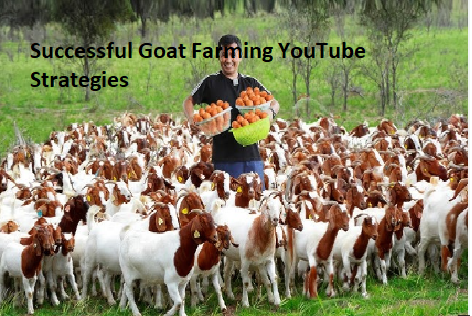
Exploring goat farming YouTube content provides a unique window into modern agricultural practices and small-scale livestock management. By watching established creators, aspiring farmers gain visual insights into herd health, infrastructure design, and daily operational routines that written manuals often fail to convey. This medium has become a critical resource for those looking to transition from hobbyist status to profitable commercial production.
You will discover that the most successful channels focus on transparency, documenting both the triumphs of successful kidding seasons and the harsh realities of veterinary challenges. Whether you are seeking technical advice on rotational grazing or simply looking for inspiration, these digital archives offer an unparalleled depth of practical, field-tested knowledge.
The average earnings for a channel focused on goat farming YouTube content typically range from $2 to $8 per 1,000 views, though this varies based on audience location and niche engagement. Most small-scale agricultural channels do not rely solely on ad revenue, as the primary financial value often stems from affiliate sales of agricultural equipment, local consulting services, or the direct sale of livestock from the farm.
A channel with 10,000 subscribers might generate a few hundred dollars in monthly ad revenue, but the same creator could earn thousands by selling breeding stock or specialized goat-related supplies to an audience that trusts their expertise. Success in this space is defined more by building a reputation as a reliable source of information rather than chasing viral view counts.
Establishing Your Channel Niche
Identifying a specific angle is the first step toward building a sustainable audience in the agricultural sector. Rather than attempting to cover every aspect of livestock management, high-performing channels often specialize in areas like dairy production, meat goat breeds, or sustainable pasture management.
By narrowing your focus, you attract viewers who are genuinely interested in your specific equipment, feed programs, and breeding strategies. This targeted approach improves your search engine visibility, as algorithms better understand which users are looking for your specific type of content.
Consistency in your subject matter helps build trust with your viewers over time. If your channel oscillates between gardening, automotive repairs, and goat husbandry, your audience will struggle to know what to expect from each new upload.
Instead, create a content calendar that addresses the seasonal needs of a goat farmer, such as preparing for winter housing or managing parasite loads during the spring. This rhythmic content strategy keeps your channel relevant throughout the entire year, ensuring that your viewers return to your page whenever they face a seasonal hurdle in their own operations.
Essential Gear for High-Quality Videos
You do not need a professional film studio to produce credible content for a farming audience, but clear audio and stable visuals are non-negotiable. Viewers are often watching from their own barns or pastures, meaning they need to hear your instructions clearly over the sound of wind or bleating animals.
Investing in a lapel microphone that plugs directly into your smartphone can significantly improve the quality of your educational segments. Stable footage is equally important, especially when you are demonstrating a physical task like trimming hooves or setting up temporary fencing.
Lighting is another factor that often differentiates amateur content from professional-grade agricultural tutorials. Because much of your work will happen outdoors, try to film during the “golden hours” shortly after sunrise or before sunset to avoid harsh shadows that obscure detail.
If you must film at midday, look for shaded areas or use a simple diffuser to soften the light on your subjects. Proper lighting ensures that your viewers can see the subtle signs of health or illness you are describing, which is the core value of your educational content.
Documenting Real-World Farm Challenges
The most respected channels in this space are those that document the messy, difficult, and sometimes sad aspects of livestock management. When you experience a difficult birth or a sick animal, filming the process—provided it is done ethically—provides immense value to others who may encounter the same situation.
This level of honesty builds a deep connection with your audience, as they see you as a peer who is navigating the same risks they face. Always frame these moments with a focus on education and problem-solving, showing exactly what steps you took to address the issue.
Transparency regarding your failures is just as important as highlighting your successes. If a specific breed of goat did not thrive in your climate, or if a particular type of fencing failed to keep predators out, share those lessons openly.
This honesty prevents your viewers from making the same mistakes and positions you as a mentor rather than just a performer. A channel that only shows perfect, clean animals often feels disconnected from the reality of day-to-day farm life, which can actually decrease viewer retention and engagement over time.
Optimizing Content for Search Visibility
YouTube functions as a powerful search engine, meaning your video titles and descriptions must be crafted with the viewer’s intent in mind. Instead of using vague titles, use descriptive phrases that answer common questions, such as “How to treat goat bloat” or “Best mineral mix for dairy goats.”
Including specific keywords in your metadata helps the platform match your content with the people who are actively searching for those solutions. You can find more information on best practices for livestock care through the National Institute of Food and Agriculture, which provides a foundation for the technical accuracy needed in your videos.
Tags and thumbnail images also play a significant role in determining whether a potential viewer clicks on your video. Your thumbnail should show a clear, high-resolution image of the subject matter, such as a healthy kid or a well-constructed milking stand.
Keep the text on your thumbnail minimal and easy to read on a small mobile screen. By consistently using these optimization techniques, you ensure that your knowledge reaches a wider audience of fellow farmers who are looking for reliable, practical advice.
Monetizing Your Agricultural Knowledge
While ad revenue provides a baseline income, it is rarely the most lucrative part of a successful farming channel. Savvy creators leverage their YouTube presence to sell products directly to their audience, such as goat milk soap, breeding stock, or even digital courses on farm management.
By building a loyal community, you create a customer base that already trusts your expertise and is willing to pay for your products. This business model is significantly more stable than relying on platform algorithms that can shift and reduce your reach without warning.
Consider creating a tiered value system for your audience. Your YouTube videos can serve as the top-level discovery tool, providing free, high-value information that builds your reputation.
You can then offer more in-depth, personalized guidance through coaching calls or exclusive members-only content for those who want to dive deeper into your specific methods. This approach allows you to monetize your time effectively while continuing to provide value to the broader community.
Managing Community and Viewer Feedback
Engaging with your comment section is essential for growing a loyal community and gaining insights into what your audience needs. When viewers ask questions, respond with detailed, helpful answers that encourage further conversation.
This interaction not only boosts your video’s ranking in the algorithm but also helps you identify common pain points that can become the subjects of your future videos. Treat your comment section as a peer-to-peer forum where you are the facilitator of useful, constructive dialogue.
Be prepared to manage negative feedback or unsolicited advice with grace and professionalism. In the world of animal husbandry, everyone has a different opinion on the “right” way to do things, and you will inevitably encounter dissenters.
Stick to facts, cite your sources when necessary, and maintain a focus on the health and welfare of your animals. A calm, authoritative response to criticism often gains you more respect than engaging in a heated argument, as it demonstrates your maturity and commitment to your craft.
Comparison of Revenue Streams
The following table breaks down the typical sources of income for a mid-sized agricultural channel.
| Revenue Source | Difficulty to Start | Potential Stability |
|---|---|---|
| Ad Revenue | Low | Low (Algorithm Dependent) |
| Affiliate Marketing | Medium | Medium |
| Direct Product Sales | High | High |
| Consulting Services | High | High |
Frequently Asked Questions
How often should I post new videos to grow a farming channel?
Consistency is more important than sheer volume. Aim for one high-quality video per week or every two weeks, as this allows you to balance your farm chores with the demands of content creation.
Do I need expensive equipment to start?
No, a modern smartphone is sufficient for most agricultural content. Focus your budget on a reliable external microphone and basic lighting equipment before upgrading your camera.
How do I handle criticism about my animal management?
Always prioritize animal welfare and provide evidence-based justifications for your methods. If you are doing things correctly, your transparency will eventually build enough trust to silence most critics.
Can I make a full-time living from a YouTube channel?
Yes, but it rarely comes from ad revenue alone. The most successful channels treat the platform as a marketing tool to sell physical goods, consulting, or specialized services related to their farm.
What are the biggest mistakes beginners make?
The most common errors include neglecting audio quality, failing to provide actionable value in their videos, and losing focus by trying to appeal to too broad an audience.
Building Long-Term Success
Developing a presence in the agricultural digital space requires patience, as your audience will grow based on the reliability and utility of your content. Focus on solving real-world problems for your viewers, and they will naturally reward your efforts with loyalty and engagement. By documenting your journey on goat farming YouTube, you contribute to a larger library of agricultural knowledge that helps others succeed in their own ventures.
Start by recording your daily routines, refining your technical skills, and maintaining an honest dialogue with your community. Your commitment to sharing accurate, practical information will ultimately define your longevity and impact in this growing field.
