

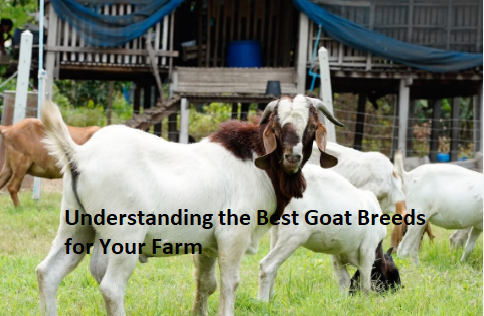
Selecting the best goat breeds for your specific situation requires balancing your production goals with your available resources. Whether you are aiming for high-volume milk production, efficient meat growth, or simply seeking friendly companions for a small homestead, understanding breed traits is essential.
This overview examines the characteristics of top-performing animals to help you make an informed decision for your property. By focusing on temperament, hardiness, and output, you can ensure that the animals you bring home align perfectly with your long-term management strategy and environmental conditions.
The Importance of Breed Selection
Choosing the right animal starts with defining your primary purpose for keeping them. A dairy-focused operation requires different physiological traits than a meat production facility or a hobby farm. You must evaluate your local climate, as some animals are better adapted to arid, hot conditions while others thrive in cold, damp environments.
Nutritional requirements also vary significantly between breeds. High-producing dairy goats often require a higher plane of nutrition compared to hardy meat breeds that can forage effectively on rougher terrain. Failing to match the breed to your feed availability can lead to expensive supplemental costs or poor animal health outcomes.
Consider the temperament of the animals you intend to keep, especially if you have children or limited handling experience. Some breeds are notoriously high-energy and flighty, while others are known for their docile, easy-to-manage nature. Matching the animal’s personality to your own comfort level with livestock management is a critical step in ensuring a positive experience.
Dairy Goat Powerhouses
When searching for the best goat breeds for milk production, the Saanen and Alpine are frequently cited as the gold standard. Saanens are often called the “Holstein of the goat world” due to their massive milk volume and calm disposition. They are a large-bodied breed that performs exceptionally well in intensive milking systems.
Alpines are equally impressive, prized for their consistent production and hardiness across diverse climates. Their ability to produce high-quality milk over long, extended lactations makes them a favorite among commercial dairies. If you are looking for higher butterfat content, the Nubian is the standout choice for many producers.
Nubians are easily identified by their long, pendulous ears and roman noses, offering a distinct aesthetic appeal. While they may produce less total volume than a Saanen, their milk is richer and creamier. This makes them ideal for cheesemaking or producing high-quality yogurt where fat content is a primary metric for success.
Meat Production Specialists
The Boer goat is widely considered the industry leader for meat production, originating from South Africa. These animals were specifically bred for rapid weight gain and excellent carcass conformation. Their heavy muscling and fast growth rates allow producers to get offspring to market weight in a shorter timeframe.
Kiko goats are another excellent option, particularly for those looking for low-maintenance animals. Originally developed in New Zealand, they were bred for survivability and parasite resistance in rugged, unmanaged conditions. They require fewer inputs than Boers while still producing a respectable meat yield for the homestead.
Spanish goats are a hardy, landrace breed that has thrived in the United States for centuries. They are incredibly resilient and known for their ability to survive on brush and forage that other breeds would reject. For those with limited pasture quality, these goats offer a sustainable, low-input solution for meat production.
Comparing Production Profiles
Understanding the numerical differences between breeds helps clarify which animal suits your specific financial goals. While individual animal performance varies based on diet and management, breed averages provide a baseline for planning. The following table highlights key production metrics for common breeds.
| Breed | Primary Use | Average Weight (Mature) | Noted Trait |
|---|---|---|---|
| Saanen | Milk | 135-150 lbs | High volume |
| Boer | Meat | 200-250 lbs | Rapid growth |
| Nubian | Milk | 135+ lbs | High butterfat |
| Kiko | Meat | 150-200 lbs | Parasite resistance |
| Nigerian Dwarf | Milk/Pet | 60-80 lbs | Efficiency |
Miniature Breeds for Small Spaces
The Nigerian Dwarf has surged in popularity due to its small stature and surprising efficiency. Despite their tiny size, they produce milk with exceptionally high butterfat and protein content. This makes them the best goat breeds for families who want a household supply of milk without the space requirements of larger animals.
These goats are also highly social and enjoy human interaction, which makes them excellent pets. Their manageable size means that fencing requirements are less intensive than those for larger breeds. They are also easier to transport and handle during veterinary checks or routine maintenance.
Miniature Silky Fainting goats are another popular choice for those focusing on companionship. They are known for their long, flowing coats and their unique genetic condition that causes them to stiffen when startled. While they are not typically used for commercial production, they make fantastic, low-impact additions to small hobby farms.
Key Considerations for Beginners
Selecting your first animals can be overwhelming, but focusing on a few core requirements will simplify the process. Start by visiting established breeders to see how the animals behave in a real-world setting. Observing their daily care routine provides more insight than any manual or textbook could offer.
Biosecurity is a major concern when bringing new animals onto your property. Always ask for health testing records for common diseases like CAE (Caprine Arthritis Encephalitis) and CL (Caseous Lymphadenitis). Protecting your herd from these chronic conditions is vital to the long-term viability of your farm.
* Verify the pedigree and registration status if you intend to breed or show.
* Assess your fencing capabilities; goats are notorious escape artists that require high-tensile or woven wire.
* Ensure you have a reliable veterinarian nearby who has experience with small ruminants.
* Calculate your feed storage capacity before purchasing your first set of animals.
Managing Herd Health and Nutrition
Regardless of the breed you choose, your success depends on a consistent health management plan. Goats are highly susceptible to internal parasites, particularly in humid or high-rainfall areas. Implementing a rotational grazing schedule is one of the most effective ways to manage parasite loads without relying solely on chemical dewormers.
Proper mineral supplementation is another area that frequently gets overlooked by new owners. Goats require specific ratios of copper, selenium, and zinc that are not always present in standard livestock feed. Consult with your local extension agent or the United States Department of Agriculture for regional soil data to determine what your pasture might be lacking.
Shelter requirements for these animals are relatively simple but must be strictly followed. They require a dry, draft-free area to escape rain and snow, as they are prone to respiratory issues if kept in damp conditions. Providing elevated platforms or pallets inside the shelter can keep them off cold ground during winter months.
Frequently Asked Questions
What is the friendliest goat breed?
Many owners report that Nubians and Nigerian Dwarfs are particularly affectionate and bond closely with their handlers. However, temperament is often more a result of early socialization and consistent handling than breed genetics alone.
How do I know which breed is best for my climate?
Look for breeds that have been established in your region for a long time. For example, Spanish goats are well-adapted to the hot, humid conditions of the American South, whereas breeds like the Alpine handle cooler, mountainous regions with ease.
Are goats expensive to keep?
The cost varies based on whether you are keeping them as pets or as a production business. You must account for annual expenses like hay, grain, minerals, hoof trimming, and veterinary visits, which can add up quickly if you have a larger herd.
Which breed is most profitable?
Profitability depends on your local market demand. If you have a strong local interest in artisanal cheese, high-butterfat dairy breeds are most profitable. If you are selling to local butcher shops or livestock auctions, meat-focused breeds like the Boer offer the fastest return on investment.
Do I need a buck to get milk?
Yes, a doe must be bred and give birth to a kid before she will begin producing milk. If you do not have the capacity to manage a buck or handle breeding, you may want to consider purchasing animals that are already in milk.
Summary of Selection Strategy
Finding the best goat breeds for your operation is a process of matching animal performance with your personal goals and environmental reality. There is no single “perfect” animal; rather, there is a breed that fits the unique constraints of your land and management style. By prioritizing health, temperament, and output, you can build a productive and enjoyable herd.
Start small, focus on high-quality stock from reputable sources, and prioritize the long-term health of your animals. As you gain experience, you will better understand the nuances of the breeds you have chosen and can adjust your strategy accordingly. Engaging with local farming communities and agricultural extension offices will provide the ongoing support needed to succeed with your chosen livestock.
