

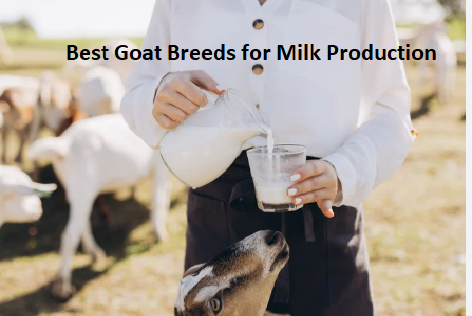
Selecting the best goat breeds for milk production requires balancing individual production volume, butterfat content, and the specific climate of your farm. Whether you are a small-scale homesteader or looking to build a commercial dairy, the choice of animal dictates your daily labor and your final product’s quality. This overview helps you navigate the high-performing dairy breeds that dominate the industry today.
The Saanen breed is widely recognized as the gold standard for sheer volume, earning its reputation as the “Holstein of the goat world.” If you prioritize high-yield output, these goats are your primary choice. They are known for their calm temperament and ability to produce between 1.5 and 3 gallons of milk daily under optimal conditions.
While their milk has a slightly lower butterfat content—usually around 3%—the quantity often makes up for the lack of density. They thrive best in cooler climates and require a high-protein diet to sustain their significant metabolic needs during peak lactation.
Comparing Dairy Goat Performance
Choosing the right animal involves looking at both the volume of milk and the composition of that milk. Some breeds focus on quantity, while others prioritize the richness required for cheese and soap making. The following table illustrates the general differences in production traits across the most common dairy breeds.
| Breed | Average Daily Yield (Gallons) | Butterfat Content |
|---|---|---|
| Saanen | 2.0 – 3.0 | 2.5% – 3.0% |
| Nubian | 1.0 – 1.5 | 4.5% – 6.0% |
| Alpine | 1.5 – 2.5 | 3.0% – 3.5% |
| Toggenburg | 1.0 – 2.0 | 3.0% – 3.5% |
The Nubian Advantage
If you are interested in cheesemaking, the Nubian breed is often considered the best goat breed for milk quality rather than volume. Their milk is famously high in butterfat, which translates into a higher yield of cheese per gallon of raw milk.
Nubians are also known for their distinct long ears and vocal nature, which some keepers find charming and others find demanding. They are better suited for warmer climates than the Swiss breeds, though they can adapt to a variety of environments with proper shelter.
Alpine Goats for Versatility
Alpine goats are the workhorses of the dairy world, offering a reliable balance between the high volume of a Saanen and the hardiness of a mountain breed. They are known for their “upright” ears and diverse coat patterns, which can range from solid colors to intricate, multicolored markings.
Many commercial dairies prefer Alpines because they are consistent producers throughout a long lactation cycle. They are generally easy to manage and possess a sturdy constitution that handles fluctuating weather conditions well.
The Importance of Butterfat
Butterfat is the primary indicator of how “creamy” your goat milk will be. For those intending to sell raw milk or create specialty dairy products, the percentage of fat is a key financial metric.
Breeds like the Nubian or the Nigerian Dwarf produce milk that mimics the consistency of heavy cream. This makes them ideal for home use where flavor and mouthfeel are prioritized over the mass production of milk for consumption in large quantities.
Selecting for Temperament and Management
Management style is just as important as breed genetics when selecting your herd. Saanens and Alpines are typically more stoic and easy to handle in a milking parlor setting.
Nubians tend to be more expressive and can sometimes be more stubborn, requiring a firm hand and consistent routine. You should also consider the size of the animal, as larger goats require more space in the barn and more robust fencing to keep them contained.
Health and Longevity Factors
Longevity in a dairy herd depends on genetics and your commitment to preventative care. The American Dairy Goat Association provides detailed resources on breed standards and performance testing that can help you select high-quality stock.
Choosing a breed that has been bred for udder health and structural soundness will reduce your veterinary costs over time. Always source your goats from reputable breeders who perform regular testing for common illnesses like CAE and CL.
Key Considerations for New Breeders
* Climate adaptability: Ensure the breed you choose can handle your local temperature extremes.
* Feed efficiency: Calculate the cost of grain and hay versus the volume of milk produced.
* Space requirements: Larger breeds like Saanens need significantly more square footage than Nigerian Dwarfs.
* Purpose of milk: Decide early if you are drinking it fresh, making cheese, or selling it to a creamery.
* Milking ease: Check the udder attachment and teat size to ensure the goat is comfortable to milk by hand or machine.
Common Questions About Dairy Goats
What is the most profitable goat breed for a small dairy?
The most profitable breed often depends on your end product. If you are selling fluid milk, a high-volume producer like the Saanen is usually the most profitable. If you are producing artisanal cheese, the higher butterfat of a Nubian or a cross-breed will yield more product per gallon, potentially increasing your profit margin per unit of milk.
Are Nigerian Dwarf goats good for milk production?
Yes, they are excellent for homesteaders who want smaller animals. While they produce less total volume than larger breeds, their milk is exceptionally high in butterfat and protein. They are easier to handle for children or elderly keepers and require significantly less feed and space than their full-sized counterparts.
Which goat breed is easiest for beginners to manage?
Alpines and Toggenburgs are often recommended for beginners. They are generally hardy, have fewer health issues, and are known for being predictable in the milking parlor. Their temperament is usually steady, making the daily routine of twice-a-day milking much less stressful for someone learning the ropes.
Does the taste of goat milk vary by breed?
Yes, the flavor profile is influenced by the butterfat content and the goat’s diet. Higher butterfat breeds like Nubians produce milk that is richer and often perceived as “sweeter” or less “goaty.” Proper handling and cooling of the milk immediately after milking is the most important factor in preventing an off-flavor regardless of the breed.
How long does a typical dairy goat produce milk?
Most dairy goats follow a lactation cycle of about 10 months after giving birth. They are typically dried off for two months before they give birth to their next set of kids. Some goats can be milked for longer periods, but production volume will naturally decline as the cycle extends.
Selecting the right animal is the first step in building a successful dairy operation. By matching the specific traits of the best goat breeds for milk to your personal goals, you set yourself up for long-term satisfaction. Whether you prioritize the high volume of a Saanen or the rich, creamy output of a Nubian, focus on animal health and consistent management to achieve the best results.
Start by visiting local farms and observing their milking procedures to see which breeds align with your daily routine and infrastructure. Developing a strong relationship with your animals will ensure both their longevity and the quality of the milk they provide for your table or business.
