

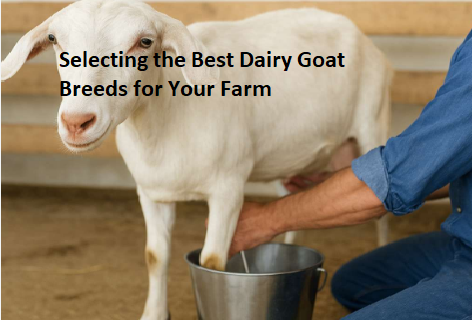
Choosing the right dairy goat breeds is the most critical decision for any new or experienced producer aiming to balance milk production, ease of care, and herd longevity. Whether you are looking for high butterfat content for artisanal cheesemaking or sheer volume for liquid milk sales, understanding the specific traits of each breed allows you to match your livestock to your land and goals.
This article examines the most productive animals in the industry to help you make an informed decision for your operation. You will learn about the distinct characteristics, production metrics, and temperament differences that define the top performers in the dairy goat world today.
Defining the Primary Dairy Goat Breeds
There are currently eight major breeds recognized by the American Dairy Goat Association (ADGA) that dominate the industry in the United States. While individual performance varies based on genetics and management, these breeds represent the gold standard for milk production.
The most common breeds include the Alpine, LaMancha, Nubian, Oberhasli, Saanen, Sable, Toggenburg, and Nigerian Dwarf. Each of these animals has evolved through selective breeding to excel in specific climates and production environments.
The Alpine is widely considered one of the most reliable and prolific dairy producers, often reaching peak yields of over 3,000 pounds of milk per lactation cycle. They are highly adaptable to various environments, which makes them a favorite for commercial dairies looking for consistency.
LaManchas, easily identified by their “gopher” or “elf” ears, are prized for their calm disposition and high butterfat percentages. Their milk is often favored by cheesemakers who need a rich, creamy base for their products.
The Nubian breed is perhaps the most recognizable due to its long, pendulous ears and roman noses. They are highly valued for the exceptionally high butterfat and protein content in their milk, which typically exceeds that of the Swiss breeds.
While they may produce a lower total volume of milk compared to a Saanen, the quality makes them a top choice for those producing high-end dairy products like yogurt or fudge. Choosing between these dairy goat breeds requires a deep look at your specific output requirements.
Comparing Milk Yield and Butterfat Content
Understanding the numerical output of your herd is essential for planning your business model. High-volume breeds like the Saanen are often called the “Holsteins of the goat world” because of their sheer production capabilities.
A well-managed Saanen can produce between 2,500 and 4,000 pounds of milk in a standard 305-day lactation period. This high volume is perfect for liquid milk sales or operations that require large quantities of raw material for processing.
In contrast, smaller breeds like the Nigerian Dwarf provide a different value proposition. While their total volume is significantly lower, often ranging from 800 to 1,500 pounds, their milk is incredibly dense in nutrients.
Nigerian Dwarf milk often contains 6% to 10% butterfat, which is double or triple the concentration found in standard commercial goat milk. This extreme density makes them highly efficient for small-scale artisanal cheesemakers who need less volume to create a high-quality finished good.
The following table provides a general comparison of production characteristics across common breeds. Please note that these figures are averages and can fluctuate based on feed quality, animal health, and selective breeding programs.
| Breed | Average Milk Yield (lbs/year) | Typical Butterfat % |
|---|---|---|
| Saanen | 2,800 – 3,500 | 3.0% – 3.5% |
| Alpine | 2,500 – 3,200 | 3.2% – 3.8% |
| Nubian | 1,800 – 2,500 | 4.5% – 5.5% |
| Nigerian Dwarf | 800 – 1,400 | 6.0% – 10.0% |
| Toggenburg | 2,000 – 2,600 | 3.0% – 3.5% |
Evaluating Temperament and Handling Requirements
Temperament is often overlooked, but it is a major factor in the daily management of a dairy herd. If you are milking by hand, a goat with a flighty or aggressive personality becomes a significant liability during the milking parlor routine.
LaManchas are frequently cited as the most docile and easy-going of the dairy goat breeds. Their tendency to be affectionate and steady makes them an excellent choice for family farms or operations where children are involved.
Nubians, while highly productive, are known for being vocal and sometimes demanding. They often require more attention and socialization than their Swiss counterparts, which can be a drawback for farmers with limited time.
If your operation relies on automated systems, you might prioritize a breed that is less “chatty” and more focused on the task at hand. Alpine and Saanen goats typically exhibit a more business-like, stoic demeanor that works well in industrial-style milking setups.
You should also consider the physical size of the animal when evaluating temperament. Larger breeds like the Saanen can weigh 150 pounds or more, requiring robust fencing and sturdy handling equipment.
If you are managing your herd alone, the physical toll of moving larger animals can lead to fatigue. Many producers find that a balanced approach, incorporating both high-volume and high-fat breeds, helps create a manageable and efficient herd structure.
Climate Adaptability and Environmental Factors
Not every breed performs equally in every climate, and your local geography should dictate your selection. The Oberhasli, for example, is a hardy mountain breed that thrives in cooler, temperate climates.
They are less suited for extreme heat, where their metabolic efficiency may drop significantly. If you are located in the southern United States, you must choose dairy goat breeds that have been acclimated to high humidity and heat stress.
Nubians are generally considered more heat-tolerant than the Swiss breeds due to their origin in the Middle East and Africa. Their large, pendulous ears help dissipate heat, allowing them to maintain production levels even when temperatures climb.
If you are farming in a region with long, scorching summers, the Nubian or a crossbreed involving Nubian genetics might provide better resilience. Alpine goats also show surprising adaptability, having been bred in the high-altitude regions of the French Alps.
For those in northern climates, the Toggenburg is a standout choice. As one of the oldest known dairy goat breeds, they were developed in the Swiss mountains to handle cold weather and rugged terrain.
Their thick, sturdy coats and compact frames allow them to maintain body condition through harsh winters. Always consult with local breeders to see which bloodlines have been proven successful in your specific microclimate.
The Importance of Genetics and Performance Recording
Purchasing goats based solely on breed standards can be a mistake if you ignore individual performance data. The American Dairy Goat Association maintains extensive records on milk production, butterfat, and protein percentages for registered animals.
When you are looking for foundation stock, always ask for the production history of the dam and the sire. A goat from a high-producing line is statistically much more likely to be a high performer in your barn.
Participating in Dairy Herd Improvement (DHI) programs provides you with the data needed to make objective culling decisions. By testing your milk monthly, you can identify which animals are paying for their feed and which are essentially “passengers” in your herd.
It is common for new farmers to keep too many animals, which drives up overhead costs without increasing revenue. Utilizing data allows you to optimize your herd size and improve the overall genetic quality of your operation over time.
Selecting for longevity is just as important as selecting for peak production. Some high-output animals burn out after only three or four lactations, which increases your replacement costs.
Look for breeders who prioritize structural soundness, such as correct udder attachment and strong feet and legs. A goat that can milk well for eight to ten years is significantly more profitable than one that produces a massive amount of milk for only two years.
Managing Nutritional Needs for Maximum Output
Feeding dairy goats is a delicate balance of providing enough energy for milk production without causing metabolic issues like ketosis or acidosis. Because these animals are ruminants, their digestive health relies heavily on high-quality forage.
You must provide access to clean, palatable hay or pasture at all times. Dairy goats require a higher level of protein and energy than meat breeds, especially during the peak of their lactation cycle.
Most commercial dairy operations supplement forage with a high-quality grain ration to keep up with the metabolic demands of heavy milking. The amount of grain should be adjusted based on the individual goat’s body condition score and daily milk yield.
Overfeeding grain can lead to obesity and reproductive issues, while underfeeding will cause a sharp drop in milk production. Many farmers choose to feed their concentrates on the milking stand to encourage compliance and ease of handling.
Water intake is the most underrated aspect of dairy goat nutrition. Milk is composed of approximately 87% water, so a high-producing doe needs constant access to clean, fresh sources.
If your water source is unappealing, frozen in the winter, or difficult to reach, your milk volume will suffer immediately. Ensure that your water troughs are cleaned frequently to prevent the growth of algae or bacteria that could deter your animals from drinking.
Common Questions About Dairy Goat Breeds
What are the 9 breeds of dairy goats?
The major recognized dairy goat breeds include the Alpine, LaMancha, Nubian, Oberhasli, Saanen, Sable, Toggenburg, Nigerian Dwarf, and the Guernsey. These breeds are officially recognized for their dairy characteristics and are the primary focus of selective breeding programs across North America.
What is the best goat for dairy?
There is no single “best” goat for every situation, as it depends on your specific goals. If you need maximum volume, the Saanen is generally the top performer. If you prioritize high butterfat for cheesemaking, the Nigerian Dwarf or the Nubian is typically the better choice.
What goat breeds can you milk?
Technically, you can milk any breed of goat, but the dairy goat breeds listed above have been specifically bred for larger udder capacity and ease of milking. Meat breeds or pet goats often have smaller udders and may not produce enough milk to make the process efficient or worthwhile.
What is the biggest dairy goat breed?
The Saanen and the Alpine are generally considered the largest dairy goat breeds by body mass and frame size. These animals are built for high output and can handle the significant physical stress of producing several gallons of milk per day.
Do I need to register my goats?
Registration is not strictly required for milking, but it is highly recommended if you plan to sell breeding stock or track genetic performance. Registration papers provide a verifiable history of your animal’s lineage and production potential, which significantly increases their market value.
Essential Steps for Starting Your Herd
Establishing a successful dairy operation starts with securing healthy, disease-free foundation stock. Always purchase from reputable breeders who test for common caprine diseases like CAE (Caprine Arthritis Encephalitis), CL (Caseous Lymphadenitis), and Johne’s disease.
Introducing a sick animal into your herd can be a catastrophic financial and emotional event. Request copies of the health tests before you finalize any purchase and consider keeping new animals in a separate quarantine area for at least 30 days.
Start small to allow yourself time to learn the nuances of animal husbandry and milking procedures. Managing two or three high-quality does is far better than struggling with ten neglected animals.
As you gain confidence and master the daily routine, you can grow your herd through natural breeding or by purchasing additional stock. Keep detailed records of every animal, including their medical history, breeding dates, and daily milk yields.
Successful dairy farming requires a commitment to consistency and observation. Spend time in the barn observing your goats’ behavior, as they are masters at hiding early signs of illness. By selecting the right dairy goat breeds for your land, keeping accurate records, and maintaining strict health protocols, you will build a resilient and productive herd.
Reach out to local agricultural extension offices or breed associations for mentorship opportunities as you begin your journey. The path to a thriving dairy business is built on these small, deliberate decisions made every day in the barn.
