

The Beetal goat serves as a cornerstone of small-scale livestock production across the Indian subcontinent, particularly in the Punjab regions of India and Pakistan. This breed is highly valued for its dual-purpose nature, providing both significant quantities of milk and high-quality meat. Farmers often prioritize these animals because of their hardiness and ability to adapt to varying climates while maintaining consistent output.
Understanding the specific traits of the Beetal goat is essential for anyone looking to enter the dairy or meat industry. By examining their growth patterns and nutritional requirements, producers can effectively optimize their herd management practices for better financial returns.
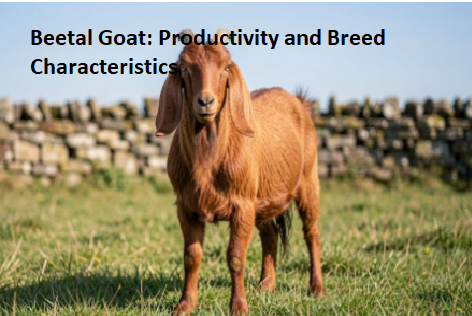
The primary attributes that define a high-performing Beetal goat include its robust frame, long pendulous ears, and a Roman nose, which are hallmarks of the breed. In terms of production, a healthy adult female typically produces between 1.5 to 2.5 liters of milk per day under optimal management conditions. Some exceptional individuals, when provided with high-protein fodder and proper veterinary care, can push these numbers toward 3 liters daily.
Their lactation period generally spans around 180 to 200 days, making them a reliable source of revenue for small farm owners. Males are equally prized, often reaching a mature weight of 50 to 65 kilograms, while females generally weigh between 35 and 45 kilograms.
Key Breed Specifications
Identifying a pure specimen requires a keen eye for physical markers that distinguish this breed from other regional varieties. Purebred animals exhibit a tall stature and a powerful, well-developed body that stands out in a mixed herd. The coat color is often reddish-brown or tan, though it can feature patches of black or white.
Their ears are exceptionally long and droopy, frequently measuring 20 to 30 centimeters in length. A distinct, slightly convex facial profile, known as the Roman nose, is a standard feature for both sexes. These visual cues serve as the first step in selecting stock that will perform well in a commercial setting.
Milk Production and Quality
The dairy potential of the Beetal goat is a primary driver of its popularity among commercial breeders. High-quality milk from this breed is known for its rich composition, which is often preferred for domestic consumption and artisanal cheese production. To maximize these yields, farmers must implement a structured milking schedule and provide access to clean, fresh water at all times.
Nutrition plays a critical role, as the fat and protein content of the milk directly correlates to the energy density of the animal’s feed. Maintaining a consistent diet of leguminous fodder, such as alfalfa or clover, helps ensure that the milk output remains stable throughout the lactation cycle.
Growth and Meat Production
Beyond dairy, the meat of the Beetal goat is highly sought after for its tenderness and flavor profile. Young bucks are typically raised for slaughter, reaching a marketable weight of 30 to 40 kilograms within 10 to 12 months if managed correctly. The growth rate is largely dependent on early weaning practices and the introduction of concentrated feed supplements.
Producers often use a stall-feeding method, which limits the energy spent on movement and redirects those calories toward muscle mass development. This intensive approach allows for a faster turnover of livestock, which is crucial for maintaining cash flow in a farming operation.
Comparative Breed Performance
Comparing the Beetal goat to other common regional breeds highlights its competitive edge in both milk and meat production. While some breeds are specialized for one purpose, the versatility of the Beetal allows farmers to diversify their income streams effectively. The following table illustrates the typical performance metrics compared to other popular breeds found in similar environments:
| Breed | Average Milk (liters/day) | Adult Male Weight (kg) | Primary Utility |
|---|---|---|---|
| Beetal | 1.5 – 2.5 | 50 – 65 | Dual-purpose |
| Barbari | 0.7 – 1.0 | 35 – 40 | Meat |
| Jamnapari | 2.0 – 3.0 | 60 – 80 | Milk/Meat |
| Black Bengal | 0.5 – 0.7 | 20 – 25 | Meat |
Management and Housing Requirements
Effective management of a Beetal goat herd requires a focus on sanitation and ventilation within the housing structure. Goats are naturally susceptible to respiratory issues if kept in damp or poorly ventilated environments, making dry, elevated flooring a necessity. Providing a raised platform or a slatted floor helps keep the animals away from waste and prevents the spread of hoof-related diseases.
Regular deworming and vaccination schedules are vital components of herd health, as these animals can be sensitive to parasitic infections. A well-designed shed should offer sufficient space, allowing each animal at least 1.5 square meters to move comfortably.
Nutritional Strategies for Success
The diet of a productive goat must be balanced to support both lactation and muscle growth. Relying solely on grazing is rarely sufficient for high-yield animals, so a combination of green fodder and concentrates is the industry standard. A typical daily ration should include a mix of grasses, leguminous crops, and a small percentage of cereal grains like maize or wheat bran.
Adding minerals and vitamins to the feed ensures the goats maintain strong bone structure and reproductive health. For more information on livestock nutritional standards, you can consult the Food and Agriculture Organization guidelines on small ruminant farming.
Economic Considerations
Investing in a Beetal goat herd requires careful financial planning regarding initial purchase costs and ongoing maintenance. The price of an individual animal fluctuates based on its pedigree, age, and current production capacity. Farmers should prepare for expenses related to veterinary care, feed procurement, and labor.
However, the consistent demand for both milk and meat provides a reliable buffer against market volatility. To optimize profitability, consider the following list of essential management tasks:
- Conducting regular health checks to identify early signs of illness.
- Maintaining strict breeding records to prevent inbreeding and ensure lineage quality.
- Implementing a rotational grazing system to manage pasture health and parasite load.
- Investing in high-quality silage for periods when green fodder is scarce.
- Marketing milk and meat products through local channels or direct-to-consumer sales.
Frequently Asked Questions
How big do Beetal goats get?
Adult males typically weigh between 50 and 65 kilograms, while females usually weigh between 35 and 45 kilograms. Their height at the withers often ranges from 80 to 90 centimeters, reflecting their strong, tall frame.
What are Beetal goats used for?
They are primarily kept as a dual-purpose breed. This means they are highly valued for their significant daily milk production as well as the quality and volume of their meat.
How to identify a pure Beetal goat?
Look for the long, pendulous, and curled ears, which are a defining trait of the breed. Additionally, the animal should have a distinct Roman nose, a tall body, and a coat that is typically reddish-brown or tan.
How much milk does a Beetal goat produce a day?
On average, a well-managed female will produce between 1.5 and 2.5 liters of milk per day. Some high-producing individuals can exceed this amount with superior nutrition and care.
Is the Beetal goat suitable for all climates?
While the breed is quite hardy and adapts well to various environments, they thrive best in the subtropical climates typical of the Punjab region. Extreme cold or excessive humidity can pose challenges, so proper housing is necessary to regulate their environment.
Conclusion
The Beetal goat remains a top choice for farmers looking to balance milk yields with meat production. By focusing on selective breeding, proper nutrition, and strict herd management, producers can achieve consistent results that support a sustainable agricultural business. The breed’s ability to thrive under varied conditions makes it a versatile asset for small-to-medium-sized operations.
As you begin or expand your herd, prioritize the health of the animals through regular veterinary care and high-quality feed. With consistent effort and attention to the specific needs of the Beetal goat, you can build a productive and profitable enterprise that stands the test of time.
