

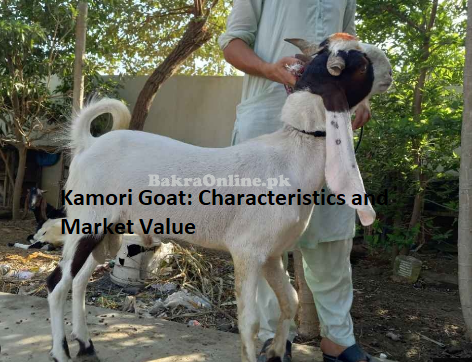
The Kamori goat is a highly specialized breed primarily found in the Sindh province of Pakistan, valued for its unique appearance and significant role in local livestock culture. These animals are easily recognized by their long, drooping ears and distinctive spotted coat patterns, which make them stand out in any herd.
Breeders often focus on aesthetic traits for exhibition purposes, though the breed also possesses practical biological characteristics that merit attention. Understanding the nuances of this breed helps farmers and enthusiasts appreciate why certain specimens command such high prices in regional markets.
When asking about the price of a Kamori goat, the answer varies drastically based on age, pedigree, and physical beauty. A standard, healthy adult goat may sell for as little as $300 to $500, whereas an elite, show-quality animal can easily fetch $2,000 to $5,000 or more during peak festival seasons.
These high-end valuations are driven by specific physical traits like ear length, facial markings, and overall body structure. Prices are not fixed and often fluctuate based on the proximity to major religious holidays such as Eid al-Adha.
Distinguishing Physical Characteristics
The most striking feature of the Kamori goat is undoubtedly its ears. These appendages are exceptionally long, often hanging well below the chin, and they serve as a primary indicator of breed purity.
A longer, more uniformly shaped ear is generally considered more desirable by hobbyists and competitive breeders. Judges at livestock exhibitions prioritize these features alongside the animal’s stature and symmetry.
Beyond the ears, the coat pattern plays a major role in the animal’s valuation. Most individuals display a mottled, spotted, or patched coloration that ranges from deep brown to light tan against a white base.
Breeders look for symmetry in these patterns, as irregular or “messy” spots are often considered less attractive. The skin is typically loose and supple, which contributes to the breed’s distinct, somewhat heavy-set appearance compared to more athletic goat varieties.
The head shape is another critical component of the breed standard. A strong, arched nose is a hallmark of the classic Kamori look, giving the animal a majestic profile.
The eyes are usually expressive and set wide apart, contributing to a calm demeanor that makes them easier to handle than some high-strung dairy breeds. These physical attributes combined create an animal that is as much a status symbol as it is a functional asset.
Geographic Origin and Environmental Adaptation
The breed originates from the Sindh province in southern Pakistan, a region characterized by hot, arid, and semi-arid conditions. This environment has shaped the biological resilience of the animal over many generations.
They are well-adapted to high temperatures and can thrive on forage that might be insufficient for less hardy species. This regional specificity is why the breed remains concentrated in Sindh rather than spreading globally.
Local farmers appreciate the breed for its ability to maintain body weight despite seasonal fluctuations in food availability. While they aren’t primarily marketed as heavy-duty dairy producers, they provide a reliable source of milk for small-scale households.
The milk is known for its nutritional density, which is a common trait in goats adapted to harsh, dry environments. Their survival instincts are sharp, allowing them to navigate rugged terrain with relative ease.
Management practices in the region often involve communal grazing, which has helped preserve the breed’s genetic integrity. By remaining in their native habitat, they have avoided the intensive cross-breeding that has altered the characteristics of many other livestock types.
Breeders in the area remain strictly committed to maintaining the “pure” lineage of the Kamori. This dedication to preservation is why the breed remains a symbol of regional agricultural pride.
Market Dynamics and Pricing Factors
The market for these goats is heavily influenced by seasonal demand and the prestige associated with owning a “show-quality” specimen. During the months leading up to major religious festivals, the price for a prime animal can skyrocket.
Buyers are often willing to pay a premium for animals that exhibit the most extreme versions of the breed’s defining features. This creates a volatile market that rewards those who invest in selective breeding.
Pedigree tracking is becoming more common among serious enthusiasts who wish to prove the heritage of their stock. A goat with a known lineage of prize-winning parents will almost always sell for more than an animal of unknown origin.
Documentation of health records and vaccination status also adds value, as it reduces the risk for the buyer. Transparency in breeding history is increasingly becoming a standard expectation in high-end transactions.
The following table summarizes the typical price ranges for different categories of these animals based on current market trends in Pakistan:
| Category | Estimated Price Range (USD) |
|---|---|
| Basic Breeding Stock | $300 – $600 |
| High-Quality Adult | $800 – $1,500 |
| Elite Show-Quality | $2,000 – $5,000+ |
| Young Kids (6 months) | $200 – $400 |
Dietary Requirements and Feeding Strategy
Providing a balanced diet is essential for maintaining the physical appearance that makes the Kamori goat valuable. While they are hardy, they require more than just basic forage to reach their full aesthetic potential.
High-quality protein sources, such as alfalfa or concentrated feed mixes, are often introduced to ensure the animal maintains a healthy body condition. Proper nutrition directly impacts the shine of the coat and the vitality of the animal.
Water intake is another critical factor that is often overlooked by casual breeders. Because they are adapted to arid environments, they are efficient with water, but they still require consistent access to clean supplies to remain healthy.
Dehydration can lead to a dull coat and reduced appetite, both of which lower the animal’s value. Farmers must balance traditional grazing with modern supplemental feeding to achieve the best results.
Common components of a high-growth diet for these animals often include:
-
- Dried hay or alfalfa for fiber content
-
- Crushed grains like maize or wheat for energy
-
- Mineral licks to support bone and horn development
-
- Fresh green fodder during the growth phase
-
- Vitamin supplements to boost immune function
Health Management and Disease Prevention
Maintaining a healthy herd requires a proactive approach to veterinary care, particularly regarding parasite control. Internal parasites can significantly reduce the weight and coat quality of a goat, making them less desirable for sale.
Regular deworming cycles are necessary to prevent infestations from compromising the animal’s health. A clean, dry living environment is the first line of defense against most common ailments.
Vaccinations are also a standard part of responsible animal husbandry in the Sindh region. Diseases such as Peste des Petits Ruminants (PPR) can be devastating to a herd if not managed correctly.
Establishing a relationship with a local veterinarian allows for a tailored immunization schedule based on regional risk factors. By following the guidelines provided by the Food and Agriculture Organization of the United Nations, breeders can ensure their stock remains healthy and productive.
Cleanliness in the enclosure is non-negotiable for those aiming to keep their animals in show-ready condition. Ammonia buildup from urine can cause respiratory issues and damage the sensitive skin of the goat.
Proper ventilation and regular cleaning of bedding areas go a long way in preventing infections. Healthy animals are far more likely to produce healthy offspring, which is the cornerstone of a successful breeding operation.
The Role of Grooming in Valuation
Grooming is an art form among those who raise these goats for competition. The goal is to highlight the natural patterns and textures of the coat while ensuring the skin is healthy and clear.
Regular brushing helps remove dead hair and distributes natural oils, giving the animal a sleek and attractive appearance. This level of attention is what separates a backyard pet from a champion show goat.
Trimming around the ears and hooves is also standard practice. While the ears are the star of the show, keeping the surrounding area clean prevents matting and potential skin irritation.
Hoof maintenance is equally important, as it ensures the animal stands correctly and moves with grace. A goat that stands tall and balanced is much more appealing to potential buyers than one that appears neglected.
Some owners also use specialized shampoos and oils to enhance the luster of the coat before a sale or exhibition. These products must be used carefully to avoid stripping the skin of its natural protective barrier.
While grooming won’t change the genetic traits of the animal, it creates the best possible first impression. In a competitive market, that first impression is often the deciding factor in a sale.
Future Trends in Breed Preservation
As interest in rare and heritage breeds continues to grow, the focus on preserving the unique genetic profile of the Kamori goat is intensifying. Younger generations of farmers are beginning to combine traditional knowledge with modern technology to track pedigrees more effectively.
Digital record-keeping is making it easier to identify the best specimens for future breeding programs. This shift toward data-driven breeding is helping to standardize the breed’s characteristics.
There is also an increasing awareness of the importance of biodiversity in agricultural systems. Maintaining breeds like the Kamori provides a genetic safety net that could be useful for future cross-breeding or environmental adaptation.
Organizations dedicated to livestock conservation are recognizing the value of these regional breeds. This institutional support helps ensure that the breed does not fade away in favor of more “industrial” livestock options.
Despite the challenges of urbanization, the cultural significance of these animals in Pakistan remains strong. As long as there is an appreciation for the breed’s history and aesthetic, the market for high-quality specimens will persist.
The future of the breed likely lies in a balance between traditional farming methods and a more professionalized approach to breeding and sales. This evolution will ensure the breed remains a vibrant part of the regional agricultural landscape for years to come.
Frequently Asked Questions
What are the primary uses for a Kamori goat?
They are primarily raised for exhibition, status, and hobbyist breeding. While they do produce milk, their main value in the market is derived from their unique physical appearance and pedigree rather than commodity production.
How big do these goats typically grow?
An adult male can reach a significant size, often weighing between 60 to 90 kilograms. The height and overall build are influenced by genetics and the quality of nutrition provided during the developmental stages.
Why is the Kamori goat often considered expensive?
The price is driven by the rarity of “perfect” physical traits like ear length and specific color patterns. Because breeding for these specific aesthetics is difficult and time-consuming, top-tier animals command a high premium.
Are these goats difficult to care for?
They are relatively hardy due to their origin in arid environments, but they do require consistent care to maintain their aesthetic value. This includes regular grooming, proper nutrition, and a clean living environment to prevent health issues.
Can these goats be kept in non-arid climates?
While they are adapted to hot, dry conditions, they can adapt to other climates if they are protected from extreme cold and dampness. High humidity and cold, wet winters can cause respiratory and skin issues for this breed.
The Kamori goat remains a unique and highly prized animal within its native region, celebrated for its striking ears and distinct coat patterns. Whether you are interested in them as a hobbyist, a breeder, or an investor, understanding the specific factors that influence their value is essential. Success in this market requires a combination of patience, proper health management, and a commitment to preserving the breed’s integrity.
By focusing on quality care and selective breeding, you can contribute to the longevity and appreciation of this remarkable animal. If you are considering adding these animals to your farm, start by connecting with local breeders who prioritize ethical practices and clear lineage. Engaging with the community of enthusiasts will provide you with the practical knowledge needed to thrive in this specialized field.
