

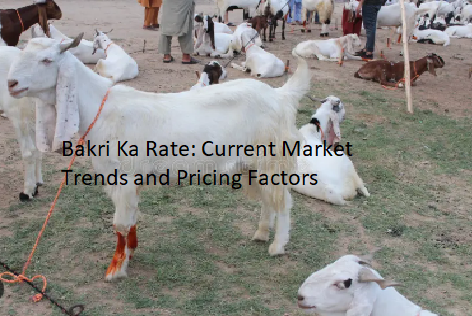
Understanding the current bakri ka rate is essential for farmers, livestock traders, and buyers preparing for seasonal demand. Prices fluctuate based on breed, weight, age, and regional market dynamics, making it difficult to pinpoint a single universal figure. By analyzing these variables, you can better estimate the financial requirements for your next purchase or sale in the local mandi.
The current bakri ka rate typically ranges between 15,000 INR and 45,000 INR for healthy, medium-sized goats intended for breeding or personal use. Premium breeds, such as the Barbari or Jamnapari, often command prices well above 60,000 INR depending on their pedigree and physical condition.
For standard goats sold by weight, the market often settles around 350 to 500 INR per kilogram of live body weight. These figures are highly volatile and tend to spike significantly during festive seasons like Eid-ul-Adha.
Factors Influencing Goat Market Prices
Several variables dictate the final price of an animal at the market. Breed purity is the most significant factor, as specific breeds are prized for their milk production or meat quality. A purebred animal with documented lineage will always sell for a premium compared to crossbred counterparts.
Age also plays a critical role in determining value. Younger goats, often called “kids,” are priced lower because they require significant investment in feed and veterinary care before reaching maturity. Conversely, prime-age animals that are fully grown and physically robust attract higher bids from buyers looking for immediate utility.
Physical health and conformation are non-negotiable aspects of pricing. A goat with a shiny coat, alert eyes, and a healthy gait commands more respect from buyers than an animal showing signs of lethargy or malnutrition. Traders often use the Food and Agriculture Organization guidelines to assess livestock health standards in regional markets.
Weight-Based Pricing Mechanics
Many professional traders prefer to conduct transactions based on live body weight rather than estimated visual size. This method removes the guesswork and provides a standardized metric for both parties. Scales are becoming more common in larger mandis to ensure transparency during the negotiation process.
The price per kilogram is calculated by multiplying the live weight by the prevailing market rate for that specific region. If a goat weighs 30 kilograms and the local rate is 400 INR per kilogram, the total cost is 12,000 INR. This mathematical approach minimizes disputes and builds trust between long-term sellers and buyers.
However, seasonal demand can distort these weight-based calculations. During high-demand periods, the price per kilogram often inflates due to limited supply and increased competition among buyers. It is vital to check the daily price trends in your specific area before finalizing any high-volume transactions.
Regional Variations in Livestock Costs
The location of the market significantly impacts the final bakri ka rate. Urban centers usually have higher prices due to the increased cost of transportation, fodder, and maintenance for the sellers. Rural markets, located closer to the source of production, often offer more competitive pricing for direct buyers.
Transporting livestock over long distances adds a hidden cost to the animal. A goat purchased in a distant rural village might seem cheaper initially, but once you add the fuel, labor, and stress-related weight loss, the final price might be higher. Buyers must consider the logistics of moving the animal safely to their farm or home.
Regional climate also dictates the types of breeds available and their associated costs. Areas with arid climates favor hardy breeds, while regions with lush pastures support larger, milk-heavy breeds. These environmental adaptations influence the supply chain and lead to localized price fluctuations.
Seasonal Price Fluctuations
Livestock prices are rarely static throughout the year. The most dramatic shifts occur during religious festivals when the demand for sacrificial animals reaches its peak. During these weeks, the market price can double or triple compared to the off-season average.
Conversely, the months immediately following peak demand often see a surplus of animals. Sellers looking to reduce their inventory costs may lower their prices to attract buyers. This provides an excellent opportunity for farmers to expand their herds at a lower entry cost.
External economic conditions also play a role in seasonal pricing. During periods of high inflation, the cost of concentrated feed and supplements rises, forcing sellers to pass those costs onto the buyer. Always track the seasonal cycles in your local market to identify the best time to buy or sell.
Cost Comparison by Breed Type
Different breeds serve different purposes, which inherently affects their market value. A dairy-focused breed requires more investment in high-quality feed to maintain milk yields, which is reflected in the higher purchase price. Meat-focused breeds are valued for their rapid growth rates and muscle density.
| Breed Type | Primary Use | Estimated Price Range |
| :— | :— | :— |
| Barbari | Milk & Meat | 20,000 – 35,000 INR |
| Jamnapari | Milk | 40,000 – 75,000 INR |
| Beetal | Dual Purpose | 25,000 – 50,000 INR |
| Sirohi | Meat | 18,000 – 30,000 INR |
| Local Mixed | General | 10,000 – 20,000 INR |
These figures represent averages and can vary significantly based on the individual animal’s health and the seller’s reputation. Always inspect the animal’s teeth and hoof condition before committing to a price based solely on the breed. A healthy mixed-breed animal is often a better investment than a sickly purebred.
Essential Costs Beyond the Purchase Price
Buying the animal is only the first step in the financial commitment. New owners must account for the ongoing costs of maintenance, which can quickly exceed the initial purchase price if not managed carefully. These include daily feed, mineral supplements, and routine vaccinations.
Veterinary care is another critical expense that should be budgeted for in advance. Regular deworming and check-ups are necessary to prevent common diseases that can wipe out an entire herd. Investing in preventative care is far cheaper than treating an outbreak of illness later.
Infrastructure requirements also add to the total cost. You will need a secure enclosure that protects the goats from predators and extreme weather. Building a simple, hygienic shed with proper ventilation is an essential one-time cost that ensures the long-term health and value of your livestock.
Key Indicators of a Fair Deal
To ensure you are getting a fair bakri ka rate, you should observe the market for several days before making a purchase. Take note of the average prices for animals that match your specific requirements in terms of age and weight. This baseline knowledge gives you leverage during negotiations.
Observe how other buyers interact with the seller. If a seller is transparent about the age of the animal and provides a record of vaccinations, they are more likely to be offering a fair deal. Avoid sellers who pressure you into a quick decision without allowing a thorough inspection of the animal.
Check the animal’s physical condition carefully before finalizing the price. Look for signs of illness such as discharge from the eyes or nose, dull fur, or an unnatural posture. A goat that appears energetic and active is usually a safer bet for a long-term investment.
Frequently Asked Questions
What is the best time of year to buy a goat?
The best time to buy is typically during the off-season, several months before major religious festivals. During this time, supply is often high and demand is lower, allowing for more favorable pricing and less competition. Buying during the off-season also gives you time to integrate the animal into your farm or home environment.
How do I determine the age of a goat?
You can estimate a goat’s age by examining its teeth. Kids have temporary milk teeth, while adults develop permanent incisors as they mature. By the age of four, most goats have a full set of permanent teeth, and further aging becomes more difficult based on wear patterns.
Does the gender of the goat affect the price?
Yes, gender significantly influences market value. Does, or female goats, are often priced higher due to their potential for breeding and milk production. Bucks, or male goats, are primarily valued for meat or as sires, and their price can fluctuate more drastically depending on the proximity to peak festival demand.
Are there hidden costs when buying from a mandi?
Yes, you should account for transportation, loading fees, and potential commission charges if a middleman is involved. Some mandis also charge an entry or exit fee for livestock. Always clarify these additional costs with the seller or market authorities before finalizing the deal to avoid surprises.
Is it better to buy from a farm or a market?
Buying from a farm usually allows for better verification of the animal’s health and upbringing, often resulting in a healthier, more reliable purchase. Markets offer a wider variety and potentially lower prices, but they also carry a higher risk of disease due to the mixing of animals from different sources.
The process of determining a fair bakri ka rate requires patience and a solid understanding of market variables. Whether you are buying for personal use or for a commercial farming venture, success depends on your ability to evaluate the animal’s health against the current asking price. By tracking breed types, weight, and seasonal trends, you can make informed decisions that protect your investment.
Always prioritize the health of the animal over the lowest possible price, as a healthy goat will provide better returns in the long run. Engaging with local breeders and keeping an eye on market shifts will ensure you remain competitive and well-prepared for any future livestock transactions.
