

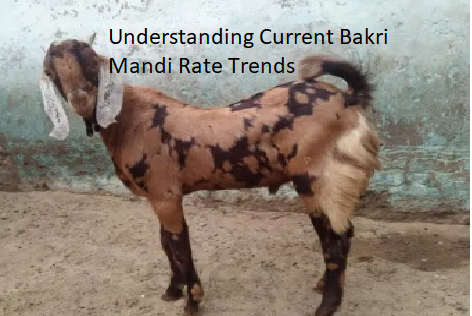
Tracking the current bakri mandi rate is essential for livestock farmers, butchers, and those preparing for seasonal demand. Prices fluctuate based on breed, weight, age, and proximity to major religious festivals like Eid-ul-Adha. By understanding the underlying factors that drive market valuation, buyers and sellers can make more informed financial decisions throughout the year.
The current baseline for a healthy goat in a typical wholesale market often ranges between 450 to 650 Pakistani Rupees per kilogram of live weight, depending on the specific region and market quality. These figures are not static and often shift significantly based on the animal’s physical condition and the time of year.
Premium breeds or animals sold during peak festival seasons can command prices up to 800 to 1,000 Rupees per kilogram due to high demand. Always verify local market conditions, as transport costs and regional supply chains heavily influence these final figures.
Factors Influencing Live Weight Pricing
The primary driver behind any market price is the weight of the animal, often referred to as the live weight. Traders typically use a standard scale to determine the total mass before applying the prevailing rate. Animals that are well-fed and show signs of good health naturally fetch a higher price per unit.
Seasonal demand creates massive volatility in the market. During periods leading up to major religious observances, the supply chain often struggles to keep up with the surge in buyers. This scarcity leads to a sharp spike in prices, regardless of the animal’s baseline market value.
Health and physical appearance also dictate whether a goat sits at the high or low end of the price spectrum. A goat with a shiny coat, clear eyes, and active behavior is valued higher by buyers than one that appears lethargic. Veterinary certifications or proof of vaccination can also provide a premium value, as they reduce the perceived risk for the purchaser.
Regional Variations in Market Rates
The price of livestock is rarely uniform across a country. Urban centers like Karachi or Lahore often see higher prices due to the increased costs of logistics and fodder. Conversely, rural markets closer to breeding hubs may offer lower rates because the transport overhead is significantly reduced.
Geographical distance from the farm to the mandi adds a hidden cost to every transaction. Buyers must account for the fuel and labor required to move animals from remote grazing lands to city markets. These costs are almost always passed down to the final consumer, inflating the price at the point of sale.
Local competition among traders further complicates the pricing structure. In markets with a high density of sellers, prices tend to stabilize as competition forces vendors to keep their rates reasonable. In more isolated regions, a lack of options might allow sellers to maintain higher prices, making it harder for buyers to negotiate a fair deal.
Impact of Breed on Valuation
Not all goats are valued equally in the livestock trade. Specific breeds known for their meat quality, such as the Beetal or Kamori, often command a higher price than local nondescript varieties. These breeds are favored for their growth rates and high meat-to-bone ratio, which makes them more profitable for butchers.
Genetic history and lineage can play a significant role in high-end markets. Breeders who can provide proof of a high-quality bloodline often charge a premium for their animals. For the average buyer, however, focusing on physical health and weight is usually more practical than paying for pedigree.
The following table illustrates typical price ranges based on common goat categories found in regional markets:
| Goat Category | Estimated Price Range (PKR/kg) | Market Demand |
|---|---|---|
| Standard Local Breed | 450 – 550 | High (Daily Consumption) |
| Premium Meat Breed | 600 – 750 | Moderate (Professional Butchers) |
| Festival-Grade (Qurbani) | 800 – 1,000+ | Peak (Seasonal) |
Seasonal Demand and Festival Spikes
The most significant event impacting the annual market cycle is the period leading up to Eid-ul-Adha. During this time, the standard market logic is often suspended in favor of demand-driven pricing. Prices can rise by as much as 50% in the final two weeks leading up to the holiday.
Savvy buyers often look to purchase their livestock well in advance to avoid these peak rates. Buying a month or two early allows for the animal to be raised on home-grown fodder, which can be cheaper than paying the inflated market price for a fully grown goat. This strategy requires space and time, but it is a proven way to manage costs.
After major festivals, the market often experiences a cooling-off period where prices drop significantly. This is the ideal time for commercial buyers to restock their inventory. Understanding these cycles allows for better financial planning and helps avoid the panic buying that drives inflation.
Managing Feed and Maintenance Costs
The cost of raising a goat is a direct reflection of the final market price. Fodder, grain, and veterinary care are the three most significant expenses for any breeder. When the cost of these inputs rises, the price of the animal must increase to ensure profitability.
Farmers who have access to free-range grazing land often have lower overheads than those relying on commercial feed. This allows them to sell at a more competitive price while still maintaining a healthy margin. You can learn more about general agricultural best practices through the Food and Agriculture Organization of the United Nations to understand how global trends impact local feed prices.
Water access and shelter maintenance are other often-overlooked variables. A goat that is kept in a clean, temperature-controlled environment will reach market weight faster. Faster growth cycles mean that the farmer can turn over their stock more quickly, which helps stabilize supply and demand in the long run.
Essential Tips for Buyers
When heading to the mandi, preparation is your best tool for securing a good rate. Always inspect the animal’s teeth to estimate its age, as younger goats generally have more tender meat. Check for signs of illness, such as discharge from the eyes or nose, which could indicate underlying health issues.
Negotiation is a standard part of the process in almost every livestock market. Sellers often start with an inflated asking price, expecting a counter-offer. Approach the negotiation with a clear understanding of the current average rate per kilogram in that specific region.
* Verify the weight using a portable scale if possible.
* Observe the animal’s gait to ensure it is not lame or injured.
* Ask about the recent diet to understand the animal’s growth history.
* Compare prices across at least three different sellers before committing.
* Confirm if the price includes transport or if that is an additional fee.
Financial Risks for Traders
The livestock business is inherently risky due to the perishable nature of the inventory. Animals require constant care, and any lapse in management can lead to illness or weight loss. A goat that loses weight is a direct financial loss for the trader.
Disease outbreaks in a region can lead to immediate market closures or price crashes. Traders must invest in regular vaccinations and biosecurity measures to protect their investment. These preventative costs are a necessary part of doing business but can squeeze margins during lean times.
Price volatility is another constant challenge. A trader who buys at a high price expecting a seasonal spike might be left with unsold inventory if demand is lower than anticipated. Keeping a diverse portfolio of livestock helps mitigate some of these risks, ensuring that the business remains resilient.
Frequently Asked Questions
What is the typical weight of a market-ready goat?
A standard market-ready goat usually weighs between 25 to 40 kilograms. This range is considered ideal for both home consumption and commercial butchery, as it balances meat yield with ease of handling.
How can I verify the weight of a goat at the mandi?
Most organized mandis provide digital or mechanical scales for a small fee. If scales are not available, experienced traders use visual estimation, but you should always insist on a physical weighing to avoid disputes over the final price.
Does the breed significantly change the taste of the meat?
Yes, certain breeds are specifically raised for their meat texture and flavor. For example, mountain breeds often have leaner meat, while lowland breeds may have a higher fat content, which many consumers prefer for specific traditional dishes.
Is it cheaper to buy a goat online?
Online platforms can be convenient, but they often include premium fees for delivery and service. You might find a better deal by visiting a local market directly, as you can inspect the animal and negotiate face-to-face with the breeder.
How much space does a goat need for daily care?
A single goat requires roughly 10 to 15 square feet of indoor space, plus access to an outdoor area for exercise. Overcrowding can lead to stress and disease, which will negatively impact the animal’s growth and overall value.
Conclusion
Navigating the market for livestock requires a solid grasp of both local supply chains and seasonal variables. Whether you are a farmer looking to maximize your profit or a buyer seeking the best value for your money, keeping a close eye on the current bakri mandi rate is the most effective way to succeed. By prioritizing animal health, understanding the impact of feed costs, and timing your purchases to avoid peak inflation, you can ensure that your transactions remain both economical and sustainable.
Remain observant of local trends, engage with multiple sellers, and never hesitate to walk away if the price does not align with your research. With these practices in place, you will be well-equipped to manage the complexities of the livestock trade.
