

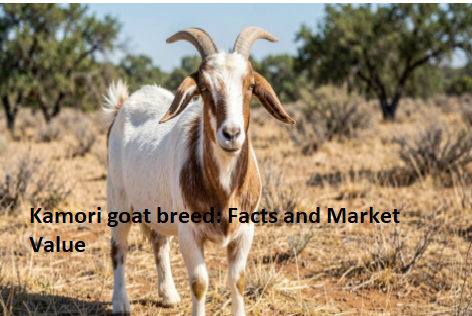
The Kamori goat breed represents one of the most distinct and highly valued livestock varieties found in the Sindh province of Pakistan. Known for their striking, long, pendulous ears and unique mottled coat patterns, these animals are not just farm assets but status symbols for many breeders.
Understanding what drives the market for this specific animal requires a look at their physical traits, their historical significance in South Asian agriculture, and the rigorous care standards required to maintain their appearance and health. This article provides a comprehensive overview of the breed’s characteristics and the economic factors that influence their current market valuation.
The primary question regarding the Kamori goat breed often centers on its market price and utility. In the current market, a high-quality, purebred Kamori can fetch anywhere from $1,000 to over $5,000 USD depending on the animal’s pedigree, age, and physical conformation. These goats are rarely raised strictly for commercial meat production due to their high maintenance costs and status as elite show animals.
Instead, they serve as long-term investments for breeders who participate in livestock exhibitions or private trade within Pakistan and the broader Middle Eastern market. Their value is largely driven by the length of their ears, the symmetry of their markings, and their overall skeletal structure.
Physical Characteristics and Breed Standards
The most defining feature of the Kamori goat breed is undoubtedly the length and set of the ears. Breeders specifically select for ear length, with elite specimens often possessing ears that extend well beyond the animal’s nose.
These ears are not just long; they are typically wide, fleshy, and hang in a graceful, folded manner that adds to the animal’s regal appearance. A short or improperly set ear can significantly decrease the market value of a goat, regardless of its other physical attributes.
Coat patterns also play a critical role in determining the desirability of an individual animal. The traditional Kamori coat is characterized by a base color—often a deep, rich brown or chocolate—interspersed with distinctive black or dark brown spots.
Symmetry in these markings is highly prized by collectors and judges at livestock shows. Breeders spend years refining their bloodlines to ensure that offspring inherit these specific, high-contrast patterns.
Beyond the ears and coat, the overall build of the Kamori is robust and frame-heavy. They are considered a large-sized breed, with adult males often reaching impressive heights that make them stand out in a herd.
Their legs are sturdy, supporting a deep chest and a long, muscular frame. This structural integrity is essential for the animal’s longevity and its ability to compete in the high-stakes environment of livestock auctions.
Historical Context and Geographic Origins
Originating in the Sindh region of Pakistan, the Kamori goat breed is deeply intertwined with the pastoral culture of the area. Specifically, the breed is most commonly associated with the districts of Dadu, Larkana, and Nawabshah.
Historically, these goats were kept by traditional breeders who valued them for their hardy nature in the arid, hot climate of the Indus Valley. Over time, the breed evolved from a functional farm animal into a specialized variety maintained by affluent enthusiasts.
The isolation of the Sindh region allowed for the development of these unique physical traits through selective breeding over several centuries. Unlike industrial breeds that prioritize rapid weight gain or high milk yields, the Kamori was preserved for its aesthetic appeal and regional pride.
This historical significance is why purebred lineages are guarded with such intensity by families who have been involved in the trade for generations. Understanding the lineage of a specific goat is often as important as looking at its physical health.
Today, the influence of the Kamori has spread beyond its traditional borders. International interest, particularly from the Gulf countries, has increased the demand for high-quality specimens.
This global attention has turned local breeding practices into a sophisticated industry where record-keeping and pedigree tracking are becoming standard. The transition from a local heritage breed to an international luxury livestock asset has reshaped how these animals are managed and marketed.
Maintenance and Care Requirements
Raising a Kamori goat breed specimen requires a level of attention that far exceeds that of common dairy or meat breeds. Because they are often considered show animals, their diet is strictly controlled to ensure optimal growth and coat health.
High-quality forage supplemented with specialized grains and vitamins is necessary to maintain their frame and the luster of their skin. Owners must also invest in climate-controlled housing, as these animals are sensitive to extreme fluctuations in temperature.
Hygiene is another paramount concern for those managing these animals. Because of their long ears, they are prone to ear infections and parasites if their environment is not kept impeccably clean.
Regular grooming, including the careful cleaning of the ear canals and the maintenance of their coat, is a daily routine for dedicated breeders. Failure to adhere to these standards can result in visible blemishes that permanently disqualify an animal from top-tier show competition.
Veterinary care for the Kamori is also specialized. Because the breed is not as common as mass-produced livestock, finding a veterinarian who understands the specific health risks associated with their anatomy is crucial.
Owners often establish long-term relationships with livestock specialists who can provide preventative care, including vaccinations tailored to the specific threats found in the Sindh region. This high level of care is a significant overhead cost that must be factored into the total price of ownership.
Market Dynamics and Valuation Factors
The market for the Kamori goat breed is highly segmented, with a massive gap between average farm-grade animals and elite, prize-winning specimens. Pricing is rarely standardized; instead, it is determined by private negotiations and the reputation of the breeder.
A buyer looking for a young kid with a promising pedigree will pay a premium, gambling on the potential for that animal to develop into a champion. Mature, proven sires with a history of producing high-quality offspring command the highest prices in the industry.
Several key factors influence the valuation of these animals at any given time, as highlighted in the following breakdown.
- Pedigree and Lineage: The reputation of the sire and dam is the single most important factor for serious investors.
- Ear Length and Shape: Ears that display the classic, uniform fold and extreme length are the primary aesthetic benchmark.
- Coat Symmetry: The distribution and contrast of the spots determine the visual appeal of the goat.
- Skeletal Conformation: A tall, deep-chested, and well-balanced frame is essential for show-ring success.
- Age and Reproductive Status: Younger animals are bought for potential, while mature animals are bought for their established track record.
These variables create a volatile market where prices can fluctuate based on the current trends in the show circuit. When a specific bloodline wins a major exhibition, the value of all related animals spikes almost immediately. This makes the industry a high-risk, high-reward environment for those who understand the nuances of the breed’s genetics.
Comparison with Other Dairy and Meat Breeds
To understand the market position of the Kamori goat breed, it is helpful to compare its traits and economic utility against more common, utilitarian breeds. While the Kamori is prized for its aesthetics, other breeds are selected for functional output such as consistent milk production or rapid muscle mass accumulation. The following table provides a comparison of how these different breed categories generally align in terms of their primary market focus.
| Breed Category | Primary Focus | Market Driver | Cost Profile |
|---|---|---|---|
| Kamori | Aesthetics/Show | Pedigree/Physicality | Very High |
| Dairy (e.g., Saanen) | Milk Yield | Lactation Efficiency | Moderate |
| Meat (e.g., Boer) | Weight Gain | Growth Rate/Feed Ratio | Low to Moderate |
As the data shows, the Kamori operates in an entirely different economic sphere than commercial meat or dairy goats. While a Boer goat is valued for its ability to convert feed into meat efficiently, the Kamori is valued for its ability to represent a lineage or a collection. This distinction is vital for anyone entering the market.
If you are seeking to start a livestock business, it is essential to identify whether your goals are commercial production or specialized breeding. For further insights on general livestock management practices, you can refer to the Food and Agriculture Organization of the United Nations for global standards on animal health and husbandry.
Challenges in Breeding and Conservation
Preserving the purity of the Kamori goat breed is a major challenge for modern breeders. As the demand for these animals grows, there is an increased risk of cross-breeding with less desirable varieties to increase body weight or hardiness.
This practice threatens the distinct physical traits that define the breed. Dedicated breeders are now forming associations to track lineages more strictly and ensure that the genetic integrity of the Kamori remains intact for future generations.
Environmental factors also pose a threat to the breed’s long-term viability. Climate change and the degradation of grazing lands in the Sindh region make it harder for traditional pastoralists to maintain their herds without significant supplemental feeding.
As the cost of inputs rises, many smaller breeders are forced to sell their stock, which can lead to a consolidation of the market in the hands of a few wealthy collectors. This shift could potentially reduce the genetic diversity of the breed.
Technological advancements in animal husbandry offer some hope for conservation efforts. DNA testing and modern reproductive technologies are beginning to play a role in verifying the parentage of elite animals.
These tools allow breeders to make more informed decisions when selecting mates, reducing the reliance on trial and error. However, the implementation of these technologies requires significant capital and technical expertise, which remains a barrier for many traditional farmers.
Frequently Asked Questions
What are Kamori goats primarily used for?
Unlike commercial breeds, the Kamori is primarily kept as a show animal, a status symbol, and an investment asset. They are highly prized for their unique appearance, particularly their long ears and spotted coats, rather than for milk or meat production.
How much does a high-quality Kamori goat cost?
Prices for top-tier specimens can range from $1,000 to over $5,000 USD. The cost is determined by the animal’s pedigree, the length and set of its ears, the symmetry of its coat, and its performance in livestock exhibitions.
What is the most important feature of the Kamori?
The length and shape of the ears are considered the most critical physical traits. Breeders look for ears that are long, wide, and fold gracefully, often extending past the animal’s nose.
How big do Kamori goats typically get?
They are considered a large breed of goat. Adult males are particularly tall and possess a deep, muscular frame, which is a key factor in their valuation for show purposes.
Is the Kamori breed rare?
While they are not necessarily “rare” in their native Sindh region, purebred specimens with excellent physical conformation are relatively scarce. The high demand from collectors makes the best examples of the breed difficult to acquire at a low price.
Conclusion
The Kamori goat breed stands as a testament to the intersection of traditional pastoralism and modern luxury livestock markets. These animals, with their iconic ears and striking markings, are more than just farm stock; they are the result of generations of selective breeding and cultural dedication. For those looking to enter this market, the key to success lies in understanding the complex balance between physical aesthetics and genetic heritage.
Investing in these animals requires significant financial commitment and a deep knowledge of the specific standards that define the breed. Whether you are an enthusiast looking to participate in exhibitions or a collector seeking to preserve a unique lineage, careful research into bloodlines and expert guidance remain your most valuable tools. As the market for the Kamori goat breed continues to evolve, staying informed on current trends and maintaining the highest standards of care will be essential for anyone involved in this fascinating agricultural niche.
