

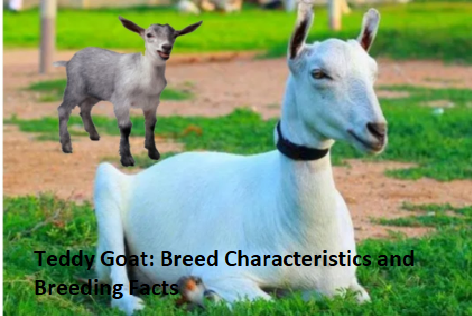
The Teddy goat is a distinct, small-bodied breed that has gained significant popularity among livestock enthusiasts, particularly in South Asia. Known for its compact frame and impressive meat production capabilities relative to its size, this animal is a common sight in urban and peri-urban goat farming operations. Understanding the specific traits of the Teddy goat helps breeders make informed decisions about herd management, feed efficiency, and overall profitability.
The Teddy goat is primarily identified by its diminutive stature and high reproductive efficiency. Breeders typically prize these animals for their fast growth rates and their ability to thrive in confined spaces, which makes them ideal for stall-feeding systems. While they are often compared to other small breeds, their unique genetic profile sets them apart in terms of weight gain per unit of feed consumed.
Physical Characteristics of the Teddy Goat
The most striking feature of the Teddy goat is its compact, muscular build. These animals rarely reach the height of larger dairy breeds, typically standing between 50 and 60 centimeters at the shoulder. Despite their small height, they possess a deep chest and a well-developed barrel, which indicates a strong capacity for muscle development.
Their coats are generally short and smooth, coming in a variety of colors ranging from solid white and black to various shades of brown and mottled patterns. This diversity in appearance is a result of selective breeding focused more on production traits than on maintaining a specific color standard. Their ears are usually small and upright, contributing to an alert and energetic appearance.
One of the most defining characteristics is the shape of the head and the presence of horns. Both males and females are often polled or carry small, curved horns, depending on the specific lineage. The bridge of the nose is typically straight, and their overall skeletal structure is refined yet sturdy, allowing them to remain agile despite their dense muscle mass.
Growth Rates and Production Efficiency
For those interested in commercial farming, the growth rate of the Teddy goat is the primary metric of interest. Under optimal conditions, a well-managed kid can reach a marketable weight of 20 to 25 kilograms within 8 to 10 months. This rapid maturation cycle allows farmers to turn over their stock more frequently compared to larger, slower-growing breeds.
Feed conversion efficiency is another area where this breed excels. Because of their smaller metabolic requirements, they require less roughage to maintain body condition than larger breeds like the Beetal. This makes them a cost-effective option for farmers who must purchase feed rather than relying on extensive grazing pastures.
The following table summarizes the typical performance metrics of a Teddy goat compared to a standard medium-sized goat breed:
| Metric | Teddy Goat | Standard Medium Breed |
|---|---|---|
| Mature Weight (kg) | 25–35 | 45–60 |
| Growth Rate (g/day) | 100–150 | 80–120 |
| Feed Conversion Ratio | High Efficiency | Moderate Efficiency |
| Space Requirement | Low | High |
Feeding and Nutritional Requirements
Proper nutrition is the cornerstone of success when raising Teddy goats. Since these animals are often kept in stall-fed conditions, they do not have the luxury of selective grazing. Farmers must provide a balanced diet that includes both high-quality roughage and concentrated supplements to meet their metabolic needs.
A typical daily ration should consist of green fodder, such as alfalfa or berseem, supplemented with a grain-based concentrate mix. This mix is essential during the finishing stage to ensure the animal develops the desired muscle mass rather than just fat. Clean water must be available at all times, as dehydration can quickly stunt the growth of younger kids.
Mineral blocks are often overlooked but are vital for maintaining the health of a breeding herd. Providing a salt-lick or a mineral-fortified supplement helps prevent common deficiencies that can lead to hoof issues or poor coat quality. Consistent feeding schedules are just as important as the quality of the feed itself, as these animals thrive on routine.
Reproductive Performance and Breeding
The reproductive cycle of the Teddy goat is remarkably robust, which is a major factor in the breed’s popularity. Does are known for being highly prolific, frequently producing twins or even triplets. This high fecundity allows a small herd to expand rapidly, provided that the nutritional needs of the pregnant and lactating does are met.
Breeding management requires careful attention to the timing of the cycles. Because these goats can breed year-round, farmers have the flexibility to time births with market demand, such as major religious holidays or seasonal peaks. Proper record-keeping is essential to track the lineage and avoid the pitfalls of inbreeding, which can lead to reduced vigor in subsequent generations.
Key factors for successful breeding include:
-
- Monitoring the estrus cycle to ensure timely insemination or pairing.
-
- Providing extra protein to does during the final trimester of pregnancy.
-
- Separating nursing does from the main herd to prevent competition at the feed bunk.
-
- Implementing a culling program to remove animals that consistently exhibit poor reproductive traits.
Health Management and Disease Prevention
Maintaining a healthy herd is critical when animals are housed in close proximity. The Teddy goat is relatively hardy, but like all small ruminants, it is susceptible to internal parasites. Regular deworming protocols are non-negotiable, especially in environments where animals are kept on concrete or dirt floors where larvae can easily survive.
Vaccination schedules should be strictly followed to protect against common regional diseases like Peste des Petits Ruminants (PPR) and enterotoxemia. A consultation with a local veterinarian can help establish a calendar that addresses the specific risks in your geographic area. Early detection of illness is the best defense, so spending time observing the herd daily is a necessary part of the job.
Ventilation is another often-neglected aspect of health management. Even if the space is small, it must have adequate airflow to prevent the buildup of ammonia from urine. Respiratory infections can spread rapidly in cramped, damp environments, so keeping bedding dry and changing it frequently is a simple but effective way to maintain respiratory health.
Market Value and Economic Potential
The market for Teddy goat meat is consistently strong because the portions are well-suited for household consumption. Unlike larger carcasses that may require professional butchery, a Teddy goat can be processed relatively easily. This makes them highly desirable for direct-to-consumer sales, particularly in urban areas where fresh meat is in high demand.
Pricing is usually determined by the live weight of the animal and the current local market rates for goat meat. Because they are often sold for religious festivals, there is a distinct seasonal price fluctuation that savvy farmers can exploit. By timing the growth cycle to hit these peaks, producers can significantly increase their profit margins per animal.
For those interested in the formal science of genetics and livestock standards, you can find more information on breed classification through the Food and Agriculture Organization of the United Nations. While they do not focus on this specific breed in isolation, their resources on small ruminant production are invaluable for any serious farmer. Always track your own expenses, including veterinary costs and feed, to ensure that the sale price covers your overhead and provides a reasonable return.
Setting Up Your First Operation
Starting a small-scale operation is a manageable project for those with limited space. The most important initial step is sourcing quality foundation stock from reputable breeders who keep detailed health records. Avoid buying animals with unknown health histories, as the cost of treating introduced diseases can quickly exceed the savings of a cheaper purchase.
Housing design should prioritize ease of cleaning and animal comfort. A simple elevated platform made of wooden slats can keep the animals off the ground, which significantly reduces the risk of parasite infestation. Ensure that the shelter is protected from harsh winds and direct rain, as these goats are sensitive to extreme weather shifts.
Finally, establish a relationship with a local feed supplier to ensure you have a consistent source of quality ingredients. Having a plan for waste management, such as composting the manure for garden use, can turn a potential disposal problem into a secondary revenue stream. Success in this field is built on small, consistent improvements to your daily management routine.
Frequently Asked Questions
What is the average lifespan of a Teddy goat?
The average lifespan of a well-cared-for Teddy goat is typically between 8 and 12 years. Productivity usually begins to decline after the fifth or sixth year, at which point many commercial farmers choose to replace the animal with younger, more fertile stock.
How do you distinguish a purebred Teddy from a crossbreed?
Distinguishing a purebred often relies on observing the consistency of traits like the ear shape, the specific compact body frame, and the lack of excessive height. While there is no universal registry for the breed, experienced breeders look for a lack of influence from larger breeds like the Beetal or the Barbari.
Are these goats suitable for dairy production?
While they can produce milk, they are not primarily bred for dairy. Their milk yield is generally insufficient for commercial dairy operations, and they are almost exclusively raised for meat production.
Do they require a lot of space?
They are excellent for small-scale operations because they require significantly less space than larger breeds. A small, well-ventilated enclosure is sufficient for a small herd, provided they have space to move and access to clean water.
Can they survive in cold climates?
They are primarily adapted to the warm, arid, or semi-arid climates of South Asia. If kept in colder regions, they require significant protection from freezing temperatures and damp conditions to prevent respiratory issues.
The Teddy goat remains a preferred choice for small-scale farmers looking for a productive, manageable, and efficient livestock option. By focusing on nutrition, rigorous health management, and selective breeding, you can build a sustainable operation that thrives on the unique strengths of this breed.
Whether you are entering the market for the first time or looking to improve your current herd, the key is to remain disciplined with your record-keeping and attentive to the daily needs of your animals. Integrating these practices will help you maximize the potential of your Teddy goat stock for years to come.
