

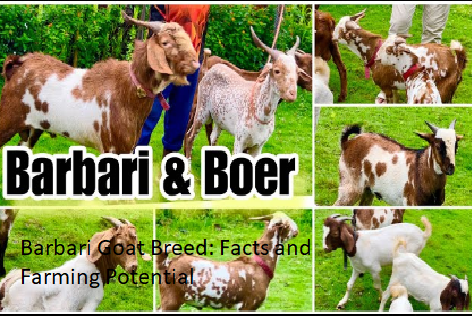
The Barbari goat breed stands out in the world of small-scale livestock due to its exceptional adaptability and efficient growth patterns. Originating from the arid regions of the Indian subcontinent, these goats have become a favorite for farmers looking for high-yield meat production in confined spaces.
Understanding the specific physiological traits and management requirements of the Barbari goat breed is essential for anyone considering them for a commercial or subsistence operation. By examining their growth rates and environmental resilience, you can determine if this compact animal is the right fit for your agricultural goals.
The most defining characteristic of the Barbari goat breed is its unique ability to thrive under stall-fed conditions, making it an ideal choice for urban and peri-urban farming. Unlike larger, ranging breeds that require extensive pasture, these animals maintain consistent weight gain even when restricted to smaller enclosures. Owners typically report that a mature male can reach a live weight of 35 to 45 kilograms, while females usually weigh between 25 and 35 kilograms.
This compact size does not sacrifice meat quality, as the breed is highly prized for its lean, tender, and flavorful muscle structure. Because they are prolific breeders with a high twinning rate, they offer a faster return on investment compared to many other popular breeds.
Physical Characteristics and Adaptability
The Barbari goat breed is easily identifiable by its compact, muscular frame and short, glossy coat. Most individuals display a distinctive white coat with light brown or tan patches, though variations in color intensity are common.
Their ears are small and tubular, pointing upward and slightly outward, which gives them an alert and energetic appearance. These physical traits are not just for show; they contribute to the animal’s overall hardiness and disease resistance in varying climates.
Because they are evolved for hot and dry environments, they exhibit a high tolerance for heat stress that would often cripple larger dairy or meat breeds. Their metabolic efficiency allows them to convert roughage and supplemental feed into muscle mass with remarkable consistency.
This efficiency is a primary reason why they are favored in intensive farming systems where land is at a premium. You will find that these goats remain active and healthy in temperatures that would force other breeds to seek constant shade or water.
Growth and Meat Production Potential
When evaluating the economic viability of the Barbari goat breed, growth performance metrics are the most critical data points for a producer. These goats are known for their early maturity, with many females reaching sexual maturity as early as 6 to 8 months of age.
This accelerated reproductive cycle allows farmers to maximize the number of kids produced per year. Under a balanced diet of concentrated feed and green fodder, kids can achieve a daily weight gain of 70 to 100 grams during their primary growth phase.
Market demand for this specific meat is consistently high because of its favorable lean-to-fat ratio. Consumers and butchers alike prefer the smaller carcass size, which is easier to process and manage in local supply chains.
The consistent quality of the meat ensures that producers can command a premium price at local markets compared to non-descript or mixed-breed goats. By maintaining a strict feeding schedule, you can ensure that your stock reaches market weight between 9 and 12 months of age.
Feeding and Nutrition Requirements
Managing the nutrition of the Barbari goat breed requires a blend of high-quality roughage and nutrient-dense concentrates. Because they are typically raised in stall-fed environments, they lack the ability to forage for their own diverse diet.
You must provide a mix of leguminous fodder, such as berseem or lucerne, to ensure they receive adequate protein for muscle development. Supplementing this with grains like maize or wheat bran will boost their energy levels, especially for does that are lactating or in late pregnancy.
Water access is equally important to their overall health and weight gain. Despite their tolerance for arid conditions, they require clean, fresh water at all times to maintain proper digestion and metabolic function.
A lack of water will immediately reflect in their growth rate and the quality of their coat. You should also ensure that mineral licks are available, as these provide essential micronutrients that might be missing from standard fodder.
Comparative Productivity Metrics
To better understand how this breed stacks up, it is helpful to look at key performance indicators against other common goat breeds. The following table illustrates the typical performance ranges for the Barbari goat breed compared to traditional rangeland breeds.
| Metric | Barbari Goat Performance | Standard Rangeland Breed |
|---|---|---|
| Mature Male Weight | 35-45 kg | 50-70 kg |
| Age at First Kidding | 12-14 months | 16-20 months |
| Twinning Rate | 60-70% | 30-40% |
| Foraging Requirement | Low (Stall-fed) | High (Grazing) |
Management and Health Considerations
Maintaining the health of the Barbari goat breed relies heavily on preventative care and strict hygiene within the shelter. Because they are kept in confined spaces, parasites can spread rapidly if the bedding is not kept dry and clean.
Regular deworming schedules are essential, particularly during the monsoon or humid months when internal parasites thrive. You should consult with a local veterinarian to establish a vaccination protocol that covers common regional diseases like PPR (Peste des Petits Ruminants) and enterotoxemia.
Housing design should prioritize ventilation and protection from predators. While these goats are small, they are agile and can easily jump over low fences, so secure perimeter walls are necessary.
Proper drainage in the shed prevents the buildup of ammonia and moisture, which are the primary causes of respiratory issues in confined livestock. If you keep the environment clean and the stocking density appropriate, you will find that these animals are remarkably robust and rarely suffer from chronic health problems.
Economic Advantages for Smallholders
The primary benefit of investing in the Barbari goat breed is the low barrier to entry for small-scale entrepreneurs. Because the animal is compact, you do not need massive tracts of land or expensive machinery to begin a breeding program.
Many farmers start with a small flock of five to ten does and one buck to test the market demand in their area. This low initial capital requirement makes it a safer entry point into the livestock business compared to cattle or buffalo farming.
Beyond meat sales, there are several other ways to generate income from this breed. Understanding these revenue streams helps you diversify your farm’s output.
- Sale of buck kids for meat production at 9-12 months.
- Sale of breeding-quality does to other local farmers.
- Production of high-quality organic manure for sale to gardeners.
- Occasional milk production, though it is secondary to meat yield.
- Participation in local livestock exhibitions or breed registry programs.
Genetic Preservation and Breeding
As modern farming practices push for cross-breeding to increase size, the genetic purity of the Barbari goat breed is becoming increasingly important to preserve. Purebred animals possess traits that cross-breeds often lose, such as high fertility and exceptional heat tolerance.
If you intend to breed these goats professionally, you should source your foundation stock from reputable breeders who maintain accurate pedigrees. Keeping detailed records of birth dates, growth rates, and health history will add significant value to your herd over time.
You can learn more about managing livestock genetics and breed standards through resources provided by the Food and Agriculture Organization of the United Nations regarding animal genetic resources. Selective breeding should focus on traits like twinning frequency and early weight gain to maximize the profitability of your operation.
Avoid the temptation to cross-breed for size alone, as you may sacrifice the very hardiness that makes this breed so easy to manage. Maintaining a pure line ensures that you have a predictable product that consistently meets market expectations.
Frequently Asked Questions
What is the primary advantage of raising Barbari goats?
The primary advantage is their superior feed conversion efficiency and ability to thrive in stall-fed systems. This makes them perfect for farmers with limited land, as they produce high-quality meat without requiring extensive pasture.
Are Barbari goats suitable for milk production?
While they are primarily categorized as a meat breed, they do produce milk. However, their yield is generally lower than specialized dairy breeds, making them less ideal for commercial milk production but sufficient for household use.
How much space does a single goat require?
Because they are small and usually stall-fed, a single adult goat requires roughly 8 to 10 square feet of indoor space. This allows for comfortable movement and prevents overcrowding in an enclosed shed.
Do these goats require special medical attention?
They are a very hardy breed, but they are susceptible to internal parasites due to their close confinement. Regular deworming and standard vaccinations for regional diseases are the most important aspects of their medical management.
Can this breed survive in cold climates?
They are native to hot, arid regions and are not well-suited for extreme cold. If you live in an area with freezing winters, you must provide a climate-controlled or well-insulated shelter to prevent cold stress.
Conclusion
The Barbari goat breed remains a cornerstone of efficient, small-scale meat production due to its manageable size and high reproductive rate. By focusing on consistent feeding, regular health checks, and maintaining pure breeding lines, you can build a sustainable and profitable agricultural venture. These animals offer a unique combination of hardiness and productivity that few other breeds can match, especially in resource-limited settings.
Whether you are a hobbyist or an aspiring commercial farmer, starting with a well-maintained herd of these goats provides a strong foundation. As you move forward, keep a close eye on your local market trends to determine the best timing for sales and ensure your farm remains competitive. Engaging with local agricultural communities will also provide you with invaluable, region-specific tips for the Barbari goat breed.
