

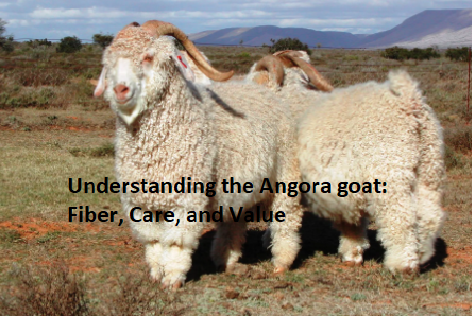
The Angora goat is a unique breed prized primarily for its luxurious, silky hair known as mohair. Originally hailing from the district of Angora in Turkey, these animals have been selectively bred for centuries to produce a fiber that is both durable and highly sought after by textile industries worldwide.
Understanding these animals requires looking beyond their appearance to the specific husbandry needs and economic potential they offer modern farmers. Whether you are interested in small-scale fiber production or simply curious about the breed’s history, this overview provides the essential details regarding their care, production standards, and overall value in today’s agricultural landscape.
Market Value and Initial Investment
When considering the cost of an Angora goat, you must account for the animal’s age, lineage, and the quality of its fleece. A high-quality registered doe or buck typically ranges between $300 and $800, though show-quality animals with exceptional pedigrees can command prices exceeding $1,200.
You will also find wethers, or castrated males, available for lower prices, often starting around $150 to $250. These animals are excellent for beginners because they focus entirely on fiber production without the complexities of breeding or kidding.
Beyond the initial purchase price, you must budget for ongoing maintenance, which includes specialized shearing equipment, high-quality forage, and veterinary oversight. It is important to note that unlike other livestock, these goats require shearing twice a year to prevent the mohair from matting and to maintain the animal’s health.
You should expect to spend roughly $50 to $100 per year on supplemental feed and routine medical care like hoof trimming and vaccinations. Investing in a healthy, well-conformed animal from a reputable breeder is the best way to ensure long-term profitability.
Mohair Production and Economic Utility
The primary purpose of raising this breed is the harvest of mohair, a fiber distinct from sheep’s wool due to its unique luster and strength. Mohair is often referred to as the “diamond fiber” because of its durability and ability to take vibrant dyes.
A single mature goat produces between 8 and 16 pounds of mohair per year, depending on the quality of their diet and their genetic predisposition. This high yield makes them a staple for niche fiber markets and boutique textile production.
The economic viability of your flock depends heavily on the grade of the mohair you produce. Fine, kid mohair—taken from younger goats—commands a significantly higher price per pound than the coarser hair of mature adults.
You can optimize your returns by carefully monitoring the micron count of your herd’s fleece. Most commercial producers sell their raw clip in bulk, but many small-scale farmers find greater profit by processing and spinning the fiber themselves for the craft market.
Distinguishing Angora from Cashmere
A common point of confusion for new farmers involves the difference between Angora goats and cashmere-producing goats. While both are prized for their soft fibers, the biological processes and end products are fundamentally different.
An Angora goat produces mohair, which comes from the long, outer coat of the animal. Cashmere, by contrast, refers to the soft undercoat found on certain breeds of goats, including the Kashmir goat, which must be combed out rather than shorn.
The table below illustrates the primary differences in production and handling between these two popular fiber breeds:
| Feature | Angora Goat | Cashmere Goat |
|---|---|---|
| Primary Fiber | Mohair | Cashmere |
| Harvest Method | Shearing | Combing/Plucking |
| Frequency | Twice annually | Once annually |
| Fiber Texture | Lustrous, strong | Extremely soft, insulating |
Understanding these distinctions is crucial if you are planning a business model based on fiber sales. Mohair is generally more durable and easier to shear, making it a more accessible entry point for those new to fiber livestock.
Cashmere requires much more labor-intensive harvesting techniques, which can significantly drive up production costs. Always research the specific market demand in your region before committing to a breed.
Husbandry and Environmental Needs
These animals are notoriously sensitive to environmental changes, particularly moisture and cold. Because their mohair grows continuously, they lose their natural ability to insulate themselves once the fleece becomes damp or matted.
You must provide a draft-free, dry shelter at all times, especially during the months immediately following shearing. A simple three-sided shed is rarely sufficient in climates with heavy rainfall or freezing temperatures.
Nutrition is another pillar of successful management, as the energy required to grow several pounds of hair is immense. Providing a high-protein diet is essential to prevent the hair from becoming brittle or thin.
Many successful breeders supplement pasture grazing with high-quality alfalfa or specialized goat pellets. You can learn more about proper livestock nutritional standards through the United States Department of Agriculture resources, which offer extensive data on metabolic requirements for fiber-producing animals.
Temperament and Suitability as Pets
While these goats are primarily kept for production, many people wonder if they make good pets. They are generally known for being docile, curious, and manageable compared to other goat breeds.
However, their need for regular grooming and specific shearing schedules means they are not “low-maintenance” animals. If you fail to shear them, the weight of the coat can cause health issues and extreme discomfort.
If you are considering keeping them as companions, focus on wethers. They are typically more even-tempered and do not exhibit the breeding behaviors that can make bucks difficult to manage.
Keep in mind that they are herd animals and will suffer from severe stress if kept alone. You should always have at least two goats to ensure their social and emotional well-being.
Common Health Challenges
Health management for this breed requires a proactive approach to parasite control and hoof maintenance. Because they spend much of their time grazing close to the ground, they are highly susceptible to internal parasites like barber pole worms.
You must implement a regular fecal testing program to monitor parasite loads rather than relying on blanket deworming. Over-reliance on chemical dewormers has led to widespread resistance, making management-based prevention more important than ever.
Hoof care is equally critical, as these animals are prone to foot rot if kept in damp or muddy conditions. You should plan to trim their hooves every six to eight weeks.
If you notice persistent lameness, isolate the affected animal immediately to prevent the spread of bacteria. A healthy flock is a productive one, and consistent observation is the best tool in your veterinary kit.
Strategic Planning for Fiber Sales
Success in the fiber industry requires a clear understanding of your target market. You can choose to sell raw fleece, washed and carded fiber, or finished yarn.
Each step you take in adding value to the raw product increases your potential profit margin significantly. Many small-scale farmers find success by selling directly to hand-spinners and knitters through online marketplaces or local fiber festivals.
* Raw Fleece: Easiest to sell but offers the lowest price per pound.
* Washed and Carded: Requires equipment like a drum carder but appeals to a wider hobbyist market.
* Hand-spun Yarn: Represents the highest value-added category but is extremely time-consuming.
* Finished Goods: Products like scarves or hats made from your flock’s fiber offer the best return for your labor hours.
Diversifying your income streams is a smart way to protect your business. Do not rely solely on the raw mohair market, as prices can fluctuate based on global demand.
Consider selling breeding stock, manure for composting, or even offering educational workshops on fiber processing. By stacking these revenue sources, you create a more resilient operation that can weather market downturns.
Frequently Asked Questions
What is the main use for an Angora goat?
The primary use is the production of mohair, a luxurious and durable fiber used in high-end apparel, upholstery, and yarn. They are also occasionally kept as hobby animals or for land management, though their fiber production is their most significant economic contribution.
How often does an Angora goat need to be sheared?
You should shear your goats twice a year, typically in the spring and again in the fall. This frequency is necessary to prevent the hair from becoming excessively heavy, matted, or contaminated with vegetable matter, which reduces the value of the fleece.
Are these goats difficult to keep healthy?
They are more sensitive than many other goat breeds, specifically regarding their need for dry shelter and high-quality nutrition. Because they expend so much energy producing hair, they require consistent, protein-rich feed and vigilant parasite management to stay in peak condition.
Can you eat Angora goat meat?
Yes, like all goats, they can be used for meat, which is often referred to as chevon. However, they are not typically bred for meat production, so they will not provide the same carcass yield as dedicated meat breeds like the Boer goat.
Do they make good pets for beginners?
They are known for their gentle and curious nature, which makes them pleasant to handle, but they require significant commitment. If you are willing to learn about shearing and fiber management, they can be rewarding pets, but they are not suitable for people looking for a “set it and forget it” animal.
Final Considerations
Choosing to raise an Angora goat is a commitment to both animal husbandry and artisanal production. By focusing on the health of your herd and the quality of their mohair, you can build a sustainable, rewarding agricultural enterprise. Whether you are aiming for commercial fiber sales or a small backyard hobby, success relies on your ability to manage the specific needs of these animals.
Remember that consistent care, proper nutrition, and a clear plan for your fiber will pay dividends over the life of your flock. If you are prepared to put in the work, this breed offers a unique opportunity to connect with an ancient textile tradition while developing a valuable, high-quality product. Reach out to local fiber associations or regional breeders to learn more about the specific strains that thrive in your local climate.
